That unsettling pattern from your dashboard—your tire pressure warning light blinking erratically before settling into a steady glow—immediately grabs your attention. Unlike the simple steady light that merely indicates low tire pressure, this tire pressure light blinking then solid sequence signals something more complex: your vehicle’s TPMS (Tire Pressure Monitoring System) has detected a malfunction within itself rather than just identifying low pressure in your tires. When this happens, your vehicle’s computer has confirmed a fault in the monitoring system, meaning it can no longer reliably track your tire pressures—a serious safety concern that requires immediate attention.
This specific warning pattern serves as your vehicle’s way of saying, “I can’t trust my own sensors anymore.” The blinking phase typically indicates the system is struggling with intermittent communication or corrupted data from wheel sensors, while the transition to solid illumination confirms the system has logged a permanent fault. Understanding this distinction is critical—you won’t fix this problem by simply adding air to your tires. This article will guide you through diagnosing the exact cause, executing effective fixes, and implementing preventive measures to avoid future TPMS failures.
Why Your TPMS Light Blinks Before Going Solid
The blinking-then-solid pattern represents a specific fault condition that differs fundamentally from a standard low-pressure warning. Recognizing this difference prevents wasted time and money addressing the wrong problem.
How This Pattern Differs From Simple Low Pressure
A steady TPMS light that illuminates and stays on typically indicates one or more tires have dropped approximately 25% below recommended pressure—a straightforward signal to check and inflate your tires. The blinking-then-solid sequence works entirely differently and requires a different diagnostic approach. During the blinking phase, your vehicle’s computer is receiving inconsistent signals—sometimes getting data, sometimes getting nothing, occasionally receiving corrupted information. The transition to solid illumination occurs after the system completes multiple detection cycles and confirms a genuine fault rather than a temporary glitch.
This distinction matters because attempting to resolve this issue by adding air won’t solve the underlying problem. The system fault remains, and without proper diagnosis, you might waste time and money addressing the wrong issue while your actual problem continues to degrade.
What Your Vehicle’s Computer Is Actually Detecting
Modern TPMS systems incorporate sophisticated algorithms designed to distinguish between actual pressure loss and system malfunctions. When sensors begin failing, their transmission patterns become erratic, causing the blinking pattern as your vehicle’s computer attempts to interpret inconsistent inputs. The solid light that follows signals that the system has given up trying to make sense of questionable data and has instead logged a fault code to alert you that tire pressure monitoring is compromised.
This is actually a safety-conscious design: rather than potentially displaying false pressure readings that could be dangerously misleading, the system alerts you to its own limitation so you can have it properly checked.
Top Causes Behind This Specific Warning Pattern
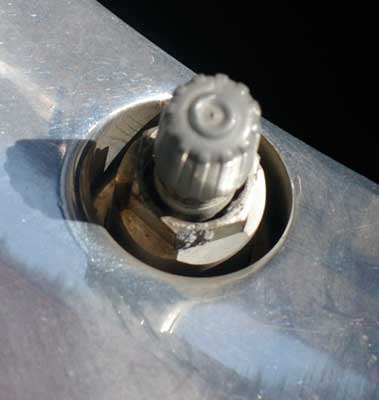
Several specific issues can trigger the blinking-then-solid warning pattern, with sensor battery depletion being the most prevalent culprit in vehicles with significant age or mileage.
Sensor Battery Depletion (The Most Common Culprit)
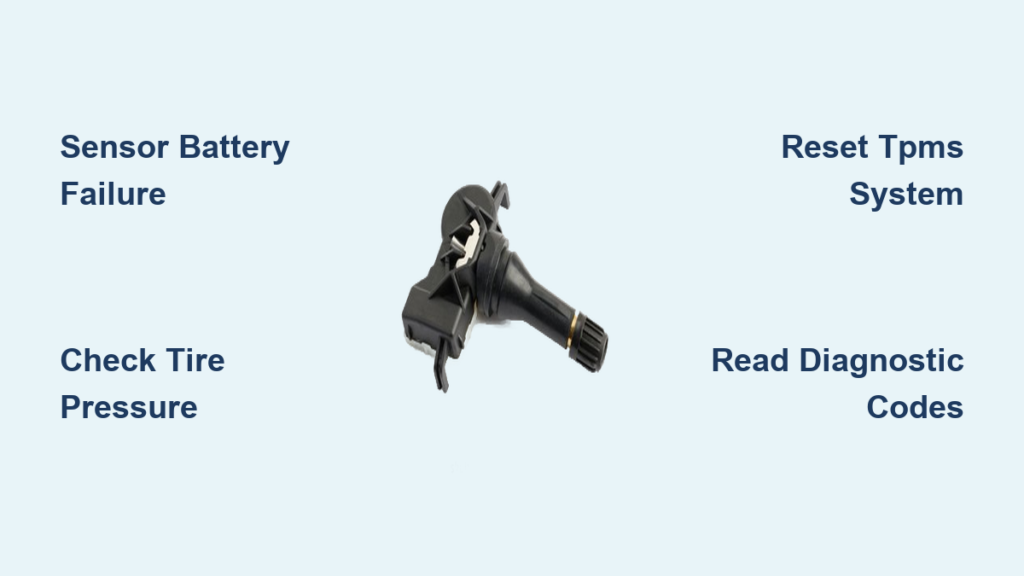
Every TPMS sensor contains a small lithium-ion battery rated for approximately 100,000 transmissions over 7-10 years of normal operation. When these batteries begin failing, sensors transmit inconsistently—sometimes working perfectly, sometimes going silent, occasionally sending garbled data. This erratic behavior manifests as the blinking pattern as your vehicle’s computer receives contradictory information.
Battery depletion represents the single most common cause of this warning pattern, particularly in vehicles with 75,000+ miles or those approaching 7-10 years of age. Temperature extremes, frequent long drives, and exposure to road salt or water accelerate battery degradation. Vehicles operated in harsh climates often experience earlier failures.
Physical Sensor Damage and Corrosion Issues
TPMS sensors mount inside each wheel assembly, making them vulnerable to impact damage from potholes, curbs, and road debris. A sensor that sustains impact damage may function intermittently before failing completely, producing exactly the blinking-then-solid pattern. Corrosion presents another significant damage mechanism, especially in regions using winter road salt. Moisture and salt infiltrate sensor housings through valve stem seals, gradually degrading internal electronics.
This type of damage often progresses slowly, starting with occasional communication glitches before advancing to complete failure. The valve stem—the most visible part of the sensor assembly—often fails first due to exposure to road contaminants and weather.
Immediate Diagnostic Steps You Can Take
Before scheduling professional service, perform these diagnostic checks that may identify or rule out common issues.
First Step: Verify Actual Tire Pressure
Despite the blinking pattern indicating a system fault, verifying actual tire pressure remains essential. Use a quality pressure gauge—not the one at your local gas station—to check all four tires and compare readings to the manufacturer’s recommended pressure on the driver’s door jamb placard.
If any tires are significantly underinflated, add air to reach the correct pressure and monitor the TPMS light for the next few driving cycles. Some vehicles require multiple ignition cycles before the system resets. However, if the blinking-then-solid pattern returns, you can confidently rule out simple low pressure as the cause.
Second Step: Check for Recent Service History
Tire rotations, replacements, or brake work involving wheel removal can disturb TPMS sensors. If the blinking pattern began shortly after tire service, inspect your valve stems for physical damage, cracks, or corrosion. Also consider whether all four sensors were properly reinstalled after tire work.
If the problem started immediately after tire service, contact the shop—sensor damage during service is often covered under their warranty. A sensor that wasn’t correctly mounted or got damaged during the process may be your source of trouble.
Third Step: Perform a System Reset
Many vehicles allow manual TPMS reset through the instrument cluster menu or a dedicated reset button. Consult your owner’s manual for the specific reset procedure for your vehicle, as methods vary significantly between manufacturers.
While resetting won’t repair hardware faults, it can help determine whether you’re dealing with a persistent problem or temporary glitch. If the blinking-then-solid pattern returns after reset, you’ve confirmed a genuine fault requiring repair.
Professional Diagnosis and Code Reading
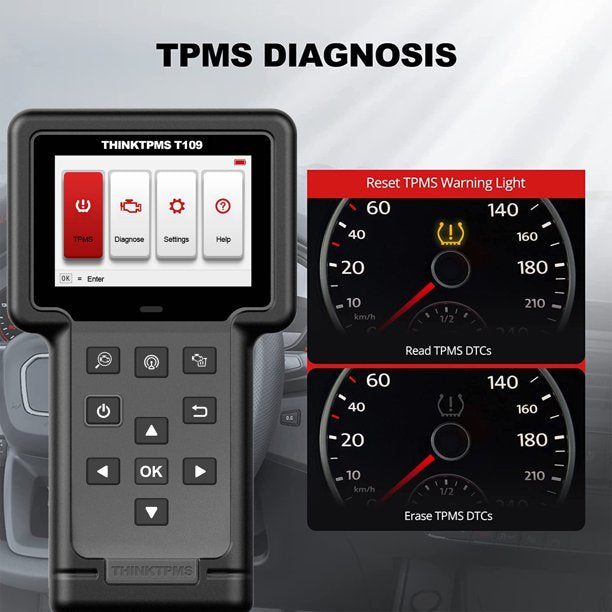
Using an OBD-II scanner with TPMS-specific capabilities provides definitive diagnostic information about what’s causing your warning light pattern.
Understanding TPMS Diagnostic Trouble Codes
TPMS trouble codes follow a specific format, typically beginning with “C” for chassis codes. Codes C0035 through C0050 generally indicate individual wheel sensor problems, with each code corresponding to a specific wheel position. Codes C0060 through C0075 often relate to module or antenna issues.
Pulling these codes tells you exactly which component is failing, whether you’ve got a single sensor problem or a more systemic module issue. This information dramatically improves your ability to make informed repair decisions and communicate effectively with service professionals.
When You Need a Specialized Scanner
Not all OBD-II scanners can read TPMS-specific codes—many basic units only access engine and transmission codes. If your scanner doesn’t communicate with your vehicle’s TPMS module, your local auto parts store may pull codes for you at no charge.
Some modern vehicles require dealer-level or specialty scan tools to access TPMS codes, particularly luxury brands with proprietary diagnostic systems. If standard scanners can’t communicate with your TPMS module, you may need to visit a dealership or independent shop with appropriate diagnostic equipment.
Repair Options and Cost Considerations

When diagnosis confirms sensor failure, you face several replacement options that vary in cost, convenience, and long-term value.
Individual Versus Complete Sensor Replacement
Replacing only the failed sensor represents the most economical approach when a single sensor is confirmed faulty. New sensors cost $20-$80 each, with professional installation adding $15-$30 per sensor. However, if your vehicle is over 5 years old, other sensors may be nearing end-of-life.
Many technicians recommend replacing all four sensors simultaneously when one fails, particularly on vehicles over 5 years old. This approach costs more upfront but ensures consistent battery life across all wheels and eliminates the need for additional service visits.
Selecting Quality Replacement Parts
Aftermarket TPMS sensors vary significantly in quality. Premium brands such as Continental, Schrader, and Denso offer higher reliability and longer battery life, typically backed by 5-7 year warranties. Budget sensors may function adequately initially but often demonstrate shorter battery life.
Ensure any replacement sensor matches your vehicle’s transmission frequency—most North American vehicles use 315 MHz sensors while European and Asian vehicles typically use 433.92 MHz. Using an incompatible sensor results in non-function or intermittent operation.
Preventing Future TPMS Issues
Regular maintenance practices can significantly extend TPMS component life and prevent unexpected failures.
Monthly Maintenance Practices That Extend Sensor Life
Checking tire pressure monthly using a quality gauge represents the single most effective preventive maintenance practice. Regular checks identify slow leaks before they become serious problems and ensure optimal tire inflation.
Document your pressure readings in a maintenance log to identify gradual loss patterns. A tire that loses more than 1-2 PSI per month without obvious damage may have a slow leak at the valve stem, bead seating, or a temporary puncture seal—all issues that warrant investigation.
Proactive Replacement Strategies for Aging Sensors
Many mechanics recommend proactive TPMS sensor replacement at 8-10 years of age regardless of apparent function. This preventive approach avoids the inconvenience of unexpected failures and ensures consistent monitoring across all wheels.
Some vehicle manufacturers offer extended warranties on TPMS components, so check your warranty documentation before paying for replacement. Certain luxury brands specifically warrant TPMS sensors for 10 years or 150,000 miles.
When to Seek Professional Help Immediately
Certain symptoms warrant immediate professional diagnosis rather than DIY troubleshooting:
- If the TPMS light is accompanied by other dashboard warnings (check engine, ABS, or stability control lights)
- If the blinking pattern changes frequency or intensity
- If multiple warning lights illuminate simultaneously
- Any TPMS warning following a collision, curb strike, or significant pothole impact
These situations may indicate related system failures requiring specialized diagnostic equipment. Early professional evaluation allows for planned repair rather than emergency replacement.
Key Takeaways
The tire pressure light blinking then solid pattern communicates a specific message: your TPMS has detected a system malfunction rather than simple low tire pressure. This distinction is crucial for proper diagnosis and repair. The most common cause is sensor battery depletion, particularly in vehicles over 7 years old or with 75,000+ miles, though physical damage, corrosion, and module failures can produce identical symptoms.
Proper diagnosis involves verifying actual tire pressure, checking for recent service that may have disturbed sensors, and retrieving diagnostic trouble codes using a TPMS-capable scanner. Repair options range from individual sensor replacement ($50-$150 per sensor) to complete system service ($200-$600), with valve stem replacement often recommended as a preventive measure.
Proactive maintenance including monthly pressure checks and planned sensor replacement at 8-10 years prevents unexpected TPMS failures. When the blinking-then-solid pattern appears, resist the temptation to simply add air—instead, follow the diagnostic process outlined here or consult a professional to identify and address the underlying system fault. Your tire pressure monitoring system exists to keep you safe, and ensuring it functions properly protects both your safety and your tires.