That flashing tire pressure light on your Toyota 4Runner isn’t just an annoyance—it’s your vehicle’s way of telling you something needs attention. Unlike a solid light that simply indicates low tire pressure, a flashing light typically signals a malfunction within the Tire Pressure Monitoring System (TPMS) itself. Understanding why your 4Runner’s tire pressure light is flashing and knowing how to respond can save you time, money, and potentially prevent more serious issues down the road. This guide walks you through the most common causes, step-by-step troubleshooting procedures, and when it’s time to seek professional help.
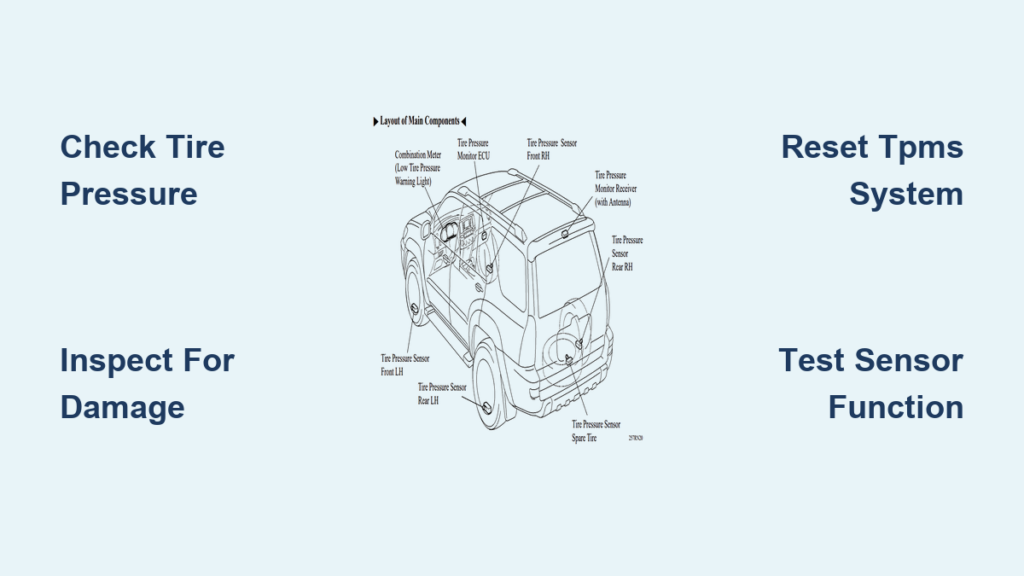
The Toyota 4Runner’s TPMS system is designed to monitor air pressure in all four tires (and sometimes the spare) using sensors mounted inside each wheel assembly. When these sensors detect pressure dropping below a certain threshold—typically 25% below the recommended pressure—the system triggers a warning on your dashboard. However, a flashing light usually means the system has detected a fault rather than simply low pressure. This distinction matters because it changes how you should approach the problem.
Why Your 4Runner’s TPMS Light Flashes Instead of Staying Solid
When your Toyota 4Runner’s tire pressure light flashes for approximately 60 to 90 seconds and then remains solid, the system is alerting you to a TPMS malfunction. This flashing pattern indicates something’s wrong with the monitoring system itself, not just low tire pressure. The sequence typically means the system has detected a fault condition that requires attention, such as a failed sensor, communication error, or receiver problem.
Understanding this distinction is critical for proper diagnosis. A solid light means check your tire pressure immediately, while a flashing light means your warning system isn’t functioning properly. Ignoring a flashing TPMS light leaves you driving without proper tire pressure monitoring, which can lead to dangerous underinflation situations going undetected. This compromises your vehicle’s handling, braking performance, and increases the risk of tire failure.
Immediate Steps to Take When Your TPMS Light Flashes
Check All Tires with a Quality Pressure Gauge
Before jumping to conclusions about sensor failure, verify the actual pressure in all four tires using a reliable gauge. Many drivers mistakenly assume their tires are properly inflated when they’re not. Begin by locating the recommended pressure sticker on your driver’s side door jamb—most 4Runners require 30-35 PSI depending on model year and trim.
Check each tire when they’re cold (undriven for at least three hours) for the most accurate reading. Don’t rely on gas station gauges that may be inaccurate—invest in a quality digital or dial-type gauge. Pay special attention to the spare tire if your model includes a spare-mounted TPMS sensor, as many owners overlook this fifth wheel. If any tire measures significantly below the recommended pressure, inflate it properly and drive for 10-15 minutes to see if the light resets.
Inspect Tires for Visible Damage
While checking pressure, perform a thorough visual inspection of each tire. Run your hand along the tread and sidewalls (carefully to avoid injury) looking for embedded objects like nails or screws that might cause slow leaks. Examine the valve stems for damage or leaks—sometimes a faulty valve core causes pressure loss that triggers the system. Look for uneven wear patterns that might indicate alignment issues contributing to pressure problems.
Check for bulges or cracks in the sidewall that could signal internal damage. Pay particular attention to the area near the wheel rim where the tire bead seals, as this is a common location for slow leaks. If you discover any damage that compromises tire integrity, replace the tire immediately rather than attempting a repair.
Reset Your 4Runner’s TPMS System Correctly
Standard TPMS Reset Procedure
If your tires are properly inflated but the light continues flashing, attempt a system reset. Locate the TPMS reset button, typically found beneath the steering wheel or in the driver’s side footwell area. With the vehicle turned to the “ON” position (engine off but accessories on), press and hold the reset button until the tire pressure light flashes three times. Release the button, then start your engine and drive for 20 minutes at speeds above 15 mph to allow the system to relearn sensor positions.
Handling Model-Specific Reset Variations
For newer 4Runner models with keyless ignition, the reset process may differ. Turn the ignition to “ON” without starting the engine, then navigate to the trip meter display using your steering wheel controls. Press and hold the trip meter button until “TPMS” appears, then release. The system should begin its relearning process automatically. Always consult your specific model year’s owner’s manual for precise instructions, as Toyota has modified the TPMS system across different generations.
Identify Failed TPMS Sensors
Recognizing Sensor Failure Symptoms
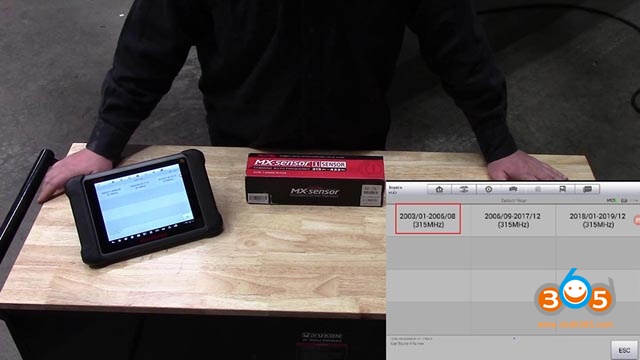
When TPMS sensors fail, they typically do so without warning. Common signs include a flashing light that persists after proper inflation, a light that comes on intermittently without pattern, or warnings specific to one tire that don’t correlate with actual pressure readings. Sensor batteries usually last 5-10 years before failing completely, with no option for battery replacement—the entire sensor unit must be replaced.
Testing Sensor Functionality
To confirm sensor failure, you’ll need a TPMS scan tool that can read sensor IDs and battery status. Many auto parts stores offer free sensor testing if you bring your vehicle. Alternatively, rotate your tires and see if the warning follows a specific tire position—this indicates a faulty sensor rather than a pressure issue. Some advanced scan tools can also detect signal strength problems that cause intermittent flashing.
Address Temperature-Related Pressure Fluctuations
Understanding Seasonal Pressure Changes
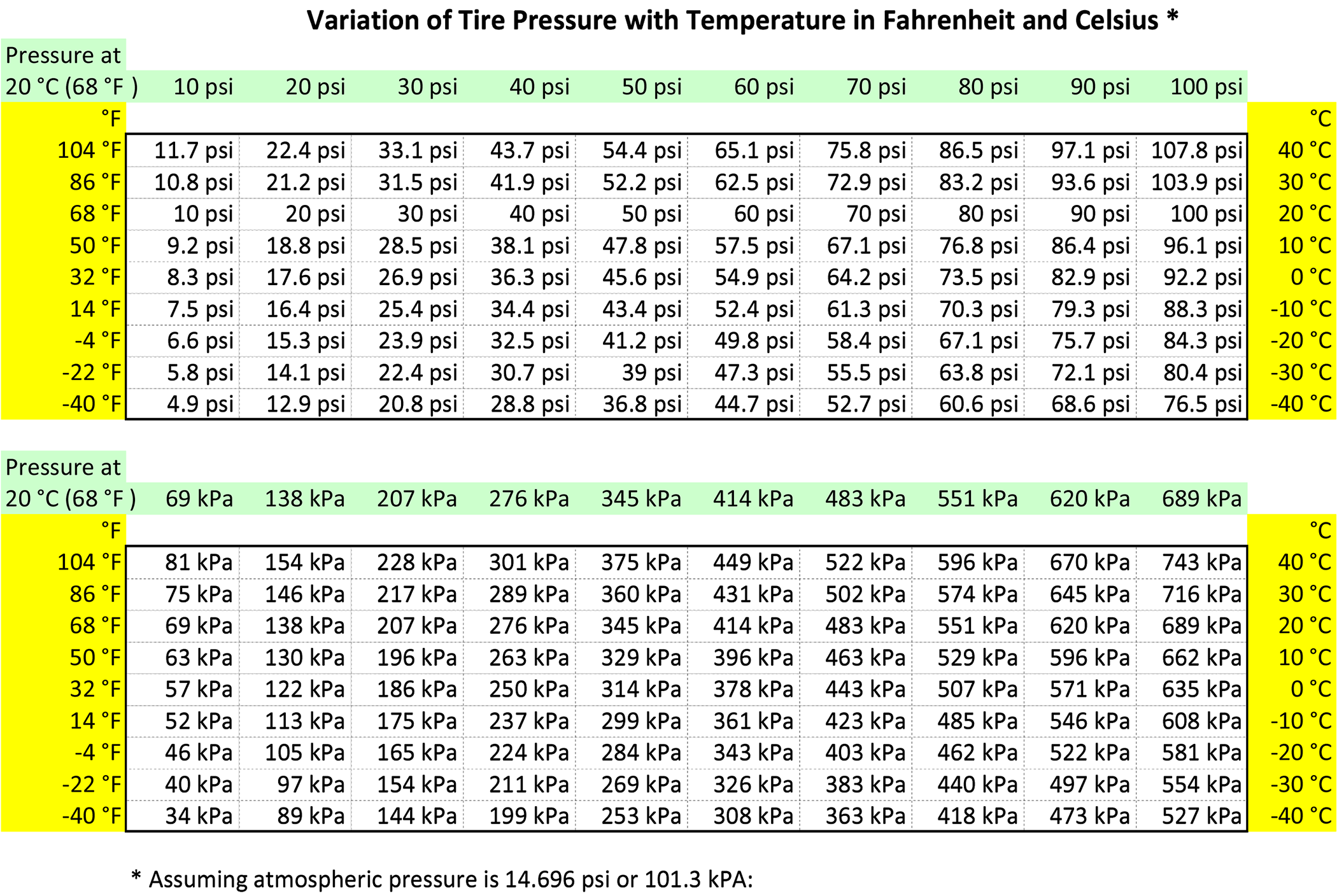
For every 10-degree Fahrenheit temperature drop, tire pressure decreases by approximately 1 PSI. This means a tire inflated to 35 PSI on a 70-degree day might drop to 30 PSI when temperatures plunge to 30 degrees—low enough to trigger warnings. Rapid temperature changes are particularly problematic, as the TPMS may interpret normal thermal contraction as a leak.
Preventing Weather-Related False Alarms
Check tire pressure monthly and adjust for seasonal changes. Maintaining pressure at 33-35 PSI (slightly above minimum recommendations) reduces temperature-related warnings without negatively affecting ride quality. Perform pressure checks first thing in the morning when temperatures are most stable. If you frequently drive in extreme temperature conditions, consider investing in nitrogen-filled tires, which experience less pressure fluctuation with temperature changes than regular air.
Resolve Signal Interference Issues
Identifying Electronic Interference Sources
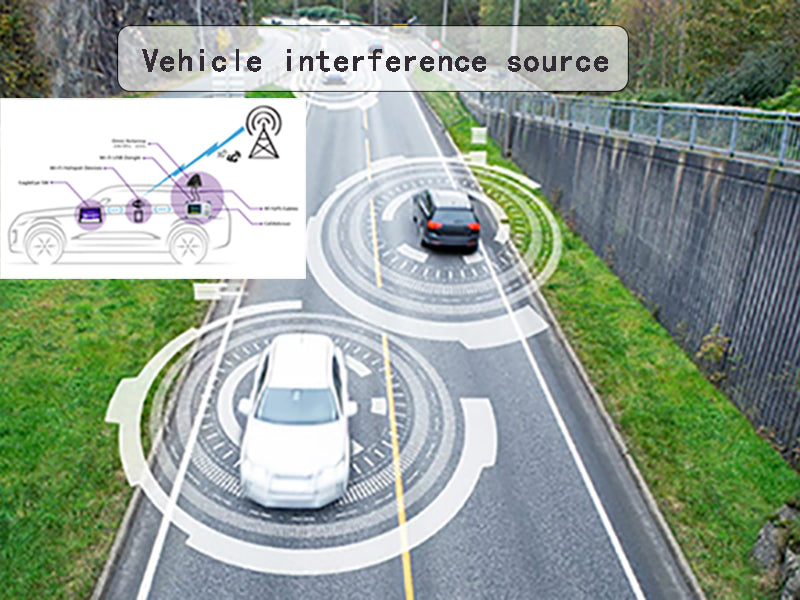
Intermittent flashing often stems from signal interference rather than sensor failure. Common culprits include aftermarket electronics like radar detectors, dash cameras, phone mounts, and even certain types of window tinting that contain metallic elements. These devices can disrupt the radio frequency signals between your TPMS sensors and the vehicle’s receiver.
Eliminating Interference Problems
Note when the flashing occurs and what electronic devices are in use. Try disabling non-essential electronics one at a time to identify potential interference sources. Relocating offending devices away from the wheel wells often resolves the issue. If you’ve recently installed new electronics and the TPMS problems began simultaneously, those devices are likely the cause. Consider switching to alternative mounting positions or using ferrite cores on cables to reduce electromagnetic interference.
Don’t Forget the Spare Tire Sensor
Checking Your Spare’s TPMS Sensor
Many 4Runner models include a TPMS sensor in the spare tire, which owners frequently overlook. If your spare is mounted externally on the rear or stored underneath, it’s exposed to the elements and prone to damage. Check spare tire pressure using a gauge—the recommended pressure is typically printed on the tire sidewall.
Replacing Spare Tire Sensors
Spare tire sensors often fail sooner than road-going sensors due to exposure to temperature extremes, moisture, and physical damage. If your spare is original equipment and more than seven years old, consider replacing its sensor proactively. The replacement process is identical to road tire sensors but may require additional tools to access the spare mounting location.
Prevent Future TPMS Problems
Establish Regular Maintenance Habits
Check tire pressure monthly using a quality gauge, not visual inspection. Rotate tires every 5,000-7,500 miles to promote even wear and provide regular inspection opportunities. Keep a pressure log to identify slow leaks early. When getting tire service, inform the technician about your TPMS system and ensure they handle sensors carefully during mounting and balancing.
Smart Sensor Replacement Strategy
If replacing sensors, consider doing all four at once if they’re original equipment approaching the 10-year mark. Mixing old and new sensors can cause compatibility issues. Choose OEM sensors for guaranteed compatibility or high-quality aftermarket options with positive reviews. Always have the system relearned after sensor replacement to ensure proper operation.
A flashing tire pressure light on your Toyota 4Runner demands attention but rarely indicates an immediate emergency. By understanding the difference between solid and flashing warnings, performing regular inspections, and addressing issues promptly, you can maintain your TPMS system’s reliability. Remember that proper tire pressure maintenance protects your safety, improves fuel economy by up to 3%, and extends tire life by thousands of miles—making attention to this small dashboard light a worthwhile investment in your vehicle’s overall health and your peace of mind on the road.