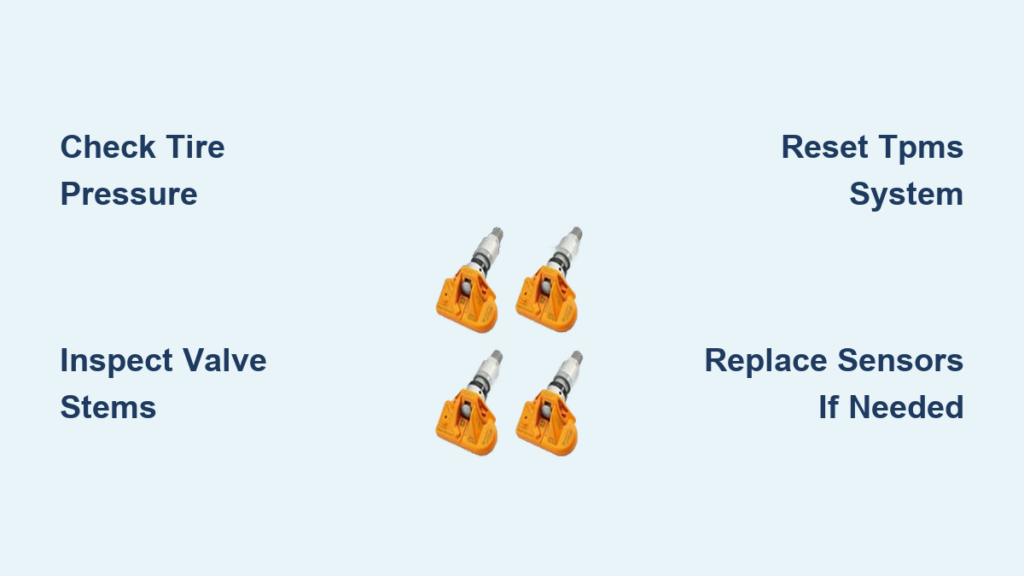
That flashing tire pressure light on your Toyota RAV4 dashboard isn’t just annoying—it’s trying to tell you something important. Unlike a solid warning light that simply means low tire pressure, a flashing indicator signals a malfunction within the Tire Pressure Monitoring System itself. When your TPMS can’t do its job properly, you lose that early warning system designed to protect you from tire damage, poor fuel economy, and potentially dangerous blowouts. Understanding what triggers this flashing warning and how to respond can save you time, money, and frustration while keeping your RAV4 safe on the road.
The good news is that many flashing tire pressure light issues resolve with simple DIY fixes—proper inflation, a system reset, or valve stem attention. However, some situations require sensor replacement or professional diagnosis. This guide walks you through everything you need to know, from quick checks you can perform right now to complete repair options and cost estimates, so you can restore your TPMS functionality and drive with confidence.
Decoding Your RAV4’s Flashing Tire Pressure Warning Light
Your Toyota RAV4’s tire pressure warning light displays as an amber exclamation mark inside a U-shaped bracket, essentially showing a cross-section of a tire with an exclamation point. This symbol serves as the primary communication link between your vehicle’s monitoring system and you, the driver. However, not all warning light behaviors communicate the same message, and understanding the difference between solid and flashing illumination is essential for proper response.
A solid, continuously illuminated tire pressure warning light indicates that one or more tires have lost approximately 25% or more of their recommended pressure. This passive warning system alerts you to check inflation levels and top up air as needed. Seasonal temperature changes, gradual air leakage from small punctures or failing valve stems, or simply tires that haven’t been checked in months commonly trigger solid warning lights. In most cases, adding air and resetting the system resolves this type of warning.
A flashing tire pressure light tells an entirely different story. When this light blinks continuously for about 60-90 seconds after you start your RAV4, the system is reporting a malfunction rather than an actual pressure problem. The TPMS has detected an issue preventing normal monitoring function—perhaps a dead sensor battery, damaged component, communication failure, or initialization problem following tire service. Rather than simply telling you to add air, your RAV4 is warning you that its monitoring system needs attention.
Immediate Checks That Fix Most Flashing Light Issues
Before you spend money on parts or professional service, perform these three critical checks that resolve the majority of flashing tire pressure light problems:
Verify actual tire pressures with a reliable gauge—don’t trust your TPMS when it’s malfunctioning. Check pressures when tires are cold (parked for at least one hour) and compare to the specification on your driver’s door jamb placard. Most RAV4 models require 33-35 PSI for both front and rear tires, but always confirm your specific vehicle’s requirements. Inflate any underinflated tires to the correct pressure and drive normally for 10-15 minutes to see if the flashing light resolves.
Inspect valve stems for damage or corrosion—look closely at each valve stem for visible corrosion, cracking, or damage around the valve core. Missing or damaged valve caps accelerate valve stem degradation by allowing contamination of the valve core. Replace damaged valve caps immediately and consider full valve stem replacement if you notice significant corrosion or damage.
Confirm your TPMS reset procedure was completed—if you recently had tire service, rotation, or pressure adjustment, the system likely needs reinitialization. Many flashing light issues occur simply because the reset procedure was skipped after tire maintenance. For 2013-2018 RAV4 models, turn your ignition to “ON” without starting, locate the reset button beneath the steering column, press and hold until the light flashes three times, then drive above 20 mph for 10-15 minutes.
Complete TPMS Reset Procedure for Your RAV4
When standard inflation doesn’t stop the flashing light, you need to perform a full TPMS relearn procedure. This teaches your RAV4 to recognize each sensor’s location and reestablish communication. Follow these precise steps for your specific RAV4 model:
For 2013-2018 RAV4 Models (Most Common)
- Ensure all tires are properly inflated to specifications on your door jamb placard
- Turn ignition to “ON” position without starting the engine
- Locate the TPMS reset button (typically beneath steering column or in glove compartment)
- Press and hold the reset button until the tire pressure warning light flashes three times
- Release the button and start your vehicle
- Drive at speeds above 20 mph for 10-15 minutes to complete system initialization
- Verify success—the warning light should illuminate solid briefly during startup then extinguish
Troubleshooting Failed Reset Attempts
If your reset procedure fails to stop the flashing light after multiple attempts:
- Check for audible confirmation—you should hear clicks when pressing the reset button
- Confirm system response—the warning light must flash three times during button hold
- Verify tire pressures—even slight underinflation can prevent successful relearn
- Test with all four tires—some RAV4s equipped with compact spare tires may experience relearn difficulties
When You Need TPMS Sensor Replacement
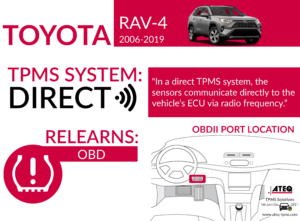
Determining whether sensor replacement is necessary depends on specific symptoms and your vehicle’s age. These clear indicators mean you need new sensors:
Battery depletion in vehicles over 7 years old—TPMS sensors contain internal lithium-ion batteries with 5-10 year lifespan. If your RAV4 is 2013-2018 model year approaching 7-10 years of age, sensor battery failure is the most likely cause of persistent flashing. You’ll notice inconsistent warning behavior—lights that appear and disappear randomly or function only when temperatures are warm.
Physical damage from recent tire service—tire mounting and balancing procedures can damage sensors through valve stem corrosion, physical impact, or sensor bracket deformation. If you had recent tire work done and the flashing light started immediately after, inspect for visible sensor damage.
Professional diagnostic confirmation—a qualified technician can use specialized tools to activate each sensor individually. If sensors fail to transmit their identification codes or show low battery voltage (below 2.7V), replacement is necessary.
Cost Breakdown for Flashing Light Repairs

Understanding repair costs helps you make informed decisions about your TPMS issue:
Complete sensor replacement for all four wheels ranges from $250-$450 at independent shops using quality aftermarket sensors, or $400-$700 at dealerships using OEM parts. Consider replacing all sensors simultaneously if your vehicle is over 7 years old to prevent cascading failures.
Single sensor replacement costs significantly less at $100-$250 depending on parts selection. Only replace individual sensors when diagnostics confirm one specific failure on newer vehicles.
Valve stem repairs without sensor replacement cost $50-$150 for parts and labor, a much more affordable option when only valve stem issues exist. This is often the solution when corrosion or damaged valve cores cause the flashing light.
Critical cost-saving tip: Always get a diagnostic confirmation before sensor replacement. Many shops charge $50-$100 for TPMS diagnostics, but this prevents unnecessary $100+ sensor replacements when the issue might be something simpler.
Preventing Future Flashing Tire Pressure Light Issues
Once you’ve resolved your current problem, implement these preventive measures to avoid recurrence:
Check tire pressures monthly using a reliable gauge when tires are cold (parked for at least one hour). Maintain pressures at manufacturer specifications rather than maximum pressure listed on tire sidewalls. This simple habit catches slow leaks before they trigger warnings.
Inspect valve stems during pressure checks—look for corrosion, cracking, or damage, and replace valve stem assemblies at first sign of deterioration. Always keep valve caps installed; they’re not decorative but protect valve cores from contamination.
Replace all sensors proactively at 7-8 years—don’t wait for failure. Replacing all sensors simultaneously prevents the inconvenience of multiple service visits as individual sensors fail over time.
Request TPMS verification during routine service—many shops include basic TPMS function checks during tire rotations or oil changes at no additional charge. Professional verification identifies developing issues before they cause warning lights.
When to Seek Professional TPMS Diagnosis
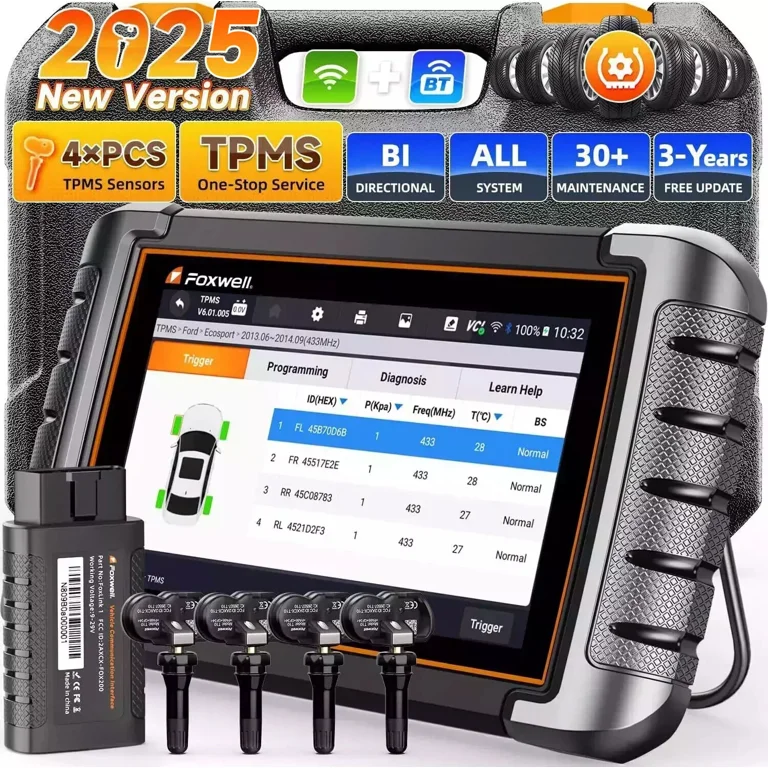
While many issues resolve with DIY fixes, certain situations require professional expertise:
Persistent flashing after multiple reset attempts—if the light continues flashing after proper inflation and correct reset procedures, you likely have hardware failure requiring professional diagnosis.
Intermittent warning behavior—lights that appear only during cold weather or at specific driving conditions often indicate marginal sensor battery output that benefits from professional testing.
Aftermarket wheel installation issues—many aftermarket wheels require specific TPMS sensor brackets or valve stem adapters. Professionals can identify compatibility issues and recommend appropriate solutions.
Complex diagnostic requirements—professional scan tools display individual sensor status, battery condition, and fault codes that precisely identify failing components. Dealership service departments have access to manufacturer-specific technical information and software updates that may resolve persistent warning light problems.
Final Steps to Restore Your RAV4’s TPMS Functionality
Your RAV4’s flashing tire pressure light isn’t something to ignore—it’s your vehicle telling you the safety system monitoring your tires needs attention. By understanding the difference between a solid and flashing warning, performing the appropriate checks, and knowing when to seek professional help, you can efficiently resolve this issue and restore your peace of mind on the road.
Remember that monthly pressure verification using a reliable gauge remains the most effective preventive measure, even when your TPMS functions correctly. Combine this with regular valve stem inspections and proactive sensor replacement around the 7-8 year mark, and you’ll minimize future flashing light occurrences.
The investment in proper TPMS maintenance pays dividends through extended tire life, improved fuel economy, and continued safety monitoring. When that amber exclamation mark starts flashing on your dashboard, you now have the knowledge to address it confidently—whether through simple reset procedures, valve stem service, or targeted sensor replacement. Don’t let a flashing light compromise your safety; take action today to restore your RAV4’s tire monitoring protection.