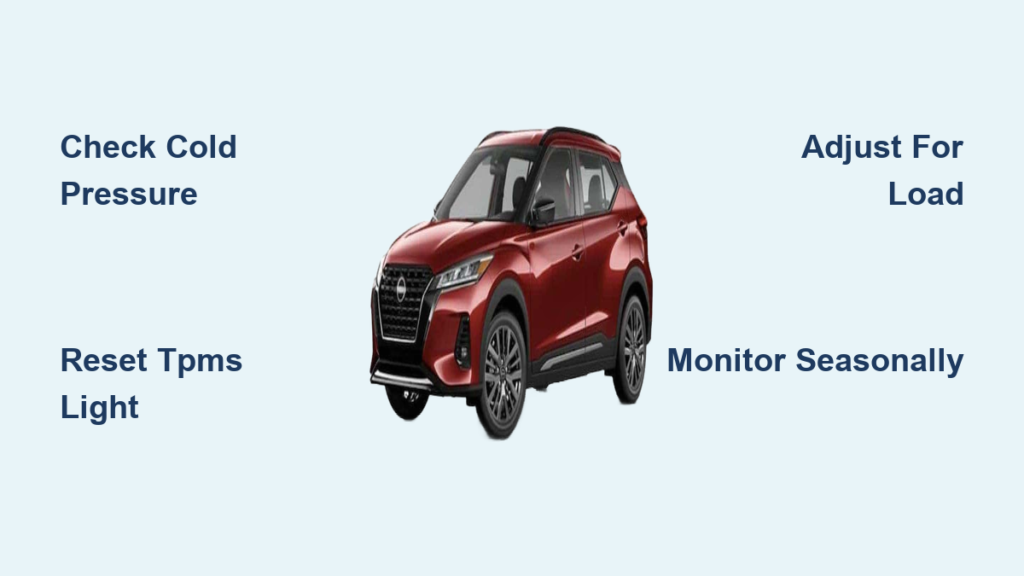
Proper tire pressure is one of the most critical yet frequently overlooked maintenance aspects of your Nissan Kicks. Maintaining the correct inflation levels directly impacts your vehicle’s safety, fuel efficiency, tire longevity, and overall driving experience. When tire pressure falls outside the recommended range, you’re not just risking premature tire wear—you’re compromising your vehicle’s handling capabilities and putting yourself and others at risk. This guide provides Nissan Kicks owners with the essential information needed to maintain proper tire pressure, recognize warning signs, and maximize both safety and performance from their vehicle’s tires.
The Nissan Kicks, as a popular compact crossover SUV, follows industry-standard tire pressure recommendations that balance comfort, efficiency, and safety. While specific recommendations can vary slightly based on trim level and tire size, understanding the fundamental principles of tire pressure maintenance will serve Kicks owners well regardless of their particular model year. Whether you’re a new Kicks owner or have been driving yours for years, this guide delivers actionable information you can implement immediately to keep your vehicle performing at its best.
Finding Your Exact Tire Pressure Specifications
Your Nissan Kicks has specific tire pressure requirements that vary based on factors like trim level, tire size, and load conditions. The most reliable source for your vehicle’s exact specifications is the tire information placard, typically located on the driver’s side door jamb. This sticker provides the manufacturer-recommended cold tire pressure for both front and rear tires under normal and maximum load conditions.
For most Nissan Kicks models, the standard recommended cold tire pressure falls within the 32-35 PSI (pounds per square inch) range. This pressure should be maintained when the vehicle is lightly loaded with just the driver or driver plus one passenger. When carrying additional passengers or cargo approaching the vehicle’s maximum load capacity, Nissan typically recommends increasing rear tire pressure by 2-3 PSI while maintaining standard front tire pressure.
It’s crucial to understand that “cold tire pressure” refers to tires that haven’t been driven for at least three hours or driven less than one mile at moderate speeds. Tires heat up during driving, causing air pressure to increase by 2-4 PSI, which would give you an inaccurate reading if checked immediately after driving. For the most precise measurements, check your tire pressure first thing in the morning before starting your vehicle.
Understanding Tire Pressure Monitoring System (TPMS) Warnings

All modern Nissan Kicks models come equipped with a Tire Pressure Monitoring System (TPMS) that alerts you when one or more tires fall significantly below the recommended pressure. When the TPMS warning light illuminates on your dashboard as a solid yellow symbol, it indicates that at least one tire has dropped approximately 25% below the recommended pressure.
When you see the TPMS warning light, check all four tires immediately with a reliable pressure gauge. Temperature fluctuations alone can cause pressure changes of 1-2 PSI for every 10°F temperature change, so seasonal transitions often trigger TPMS warnings even when no actual leak exists. If the warning light flashes for approximately one minute before staying illuminated, this indicates a system malfunction rather than a pressure issue, requiring professional diagnosis.
After correcting tire pressure or performing tire service, you may need to reset the TPMS system. For most Kicks models, this involves pressing and holding the TPMS reset button (typically located beneath the steering column) until the TPMS light flashes rapidly, then releasing the button. The system will then recalibrate to recognize the current pressure levels.
Seasonal Pressure Adjustments and Temperature Effects

Temperature changes have a direct and predictable effect on tire pressure, making seasonal maintenance particularly important for Nissan Kicks owners. For every 10°F decrease in ambient temperature, tire pressure drops by approximately 1 PSI. Conversely, temperature increases cause pressure to rise by the same margin. This explains why TPMS warnings commonly appear during fall and winter transitions.
During colder months, check tire pressure more frequently—ideally weekly—as dropping temperatures can cause otherwise properly inflated tires to fall below recommended levels. Don’t mistake these temperature-related pressure drops for leaks; they’re simply the physics of gases contracting under cold conditions. Checking pressure monthly during colder seasons and adjusting as needed prevents unnecessary service visits.
In summer, the opposite challenge occurs. High temperatures can push tire pressure 5-10 PSI above cold specifications, especially after highway driving. Overinflated tires reduce the contact patch with the road, compromising handling and accelerating center tread wear. If you must check tires during hot weather, subtract 3-5 PSI from your reading to estimate cold pressure, or wait until the tires have cooled completely before making adjustments.
Optimizing Tire Pressure for Different Driving Conditions
Your Nissan Kicks’ optimal tire pressure varies depending on cargo load, passenger count, and driving conditions. Understanding these variations helps maintain peak performance across different scenarios while preventing premature tire wear.
For everyday commuting with just the driver or driver plus one passenger, the standard door jamb specification provides optimal results. This pressure delivers the best combination of ride comfort, fuel efficiency, and tread life. At this inflation level, the tire maintains its designed contact patch shape, ensuring even wear across the tread and maximum grip in both dry and wet conditions.
When loading your Kicks for trips with multiple passengers and cargo, increasing rear tire pressure compensates for additional weight over the rear axle. The front tires typically remain at standard specification since additional load primarily affects rear suspension dynamics. This adjustment prevents the rear from sagging excessively and maintains proper headlight aim and handling balance.
For highway driving at sustained speeds, some drivers benefit from slight pressure increases of 2-3 PSI above cold specifications. Higher pressures reduce rolling resistance at speed, improving fuel economy and reducing heat buildup. However, never exceed the maximum pressure molded into your tire sidewall, which typically ranges from 44 to 51 PSI for Kicks-equipped tires.
Fuel Efficiency and Tire Longevity Connections
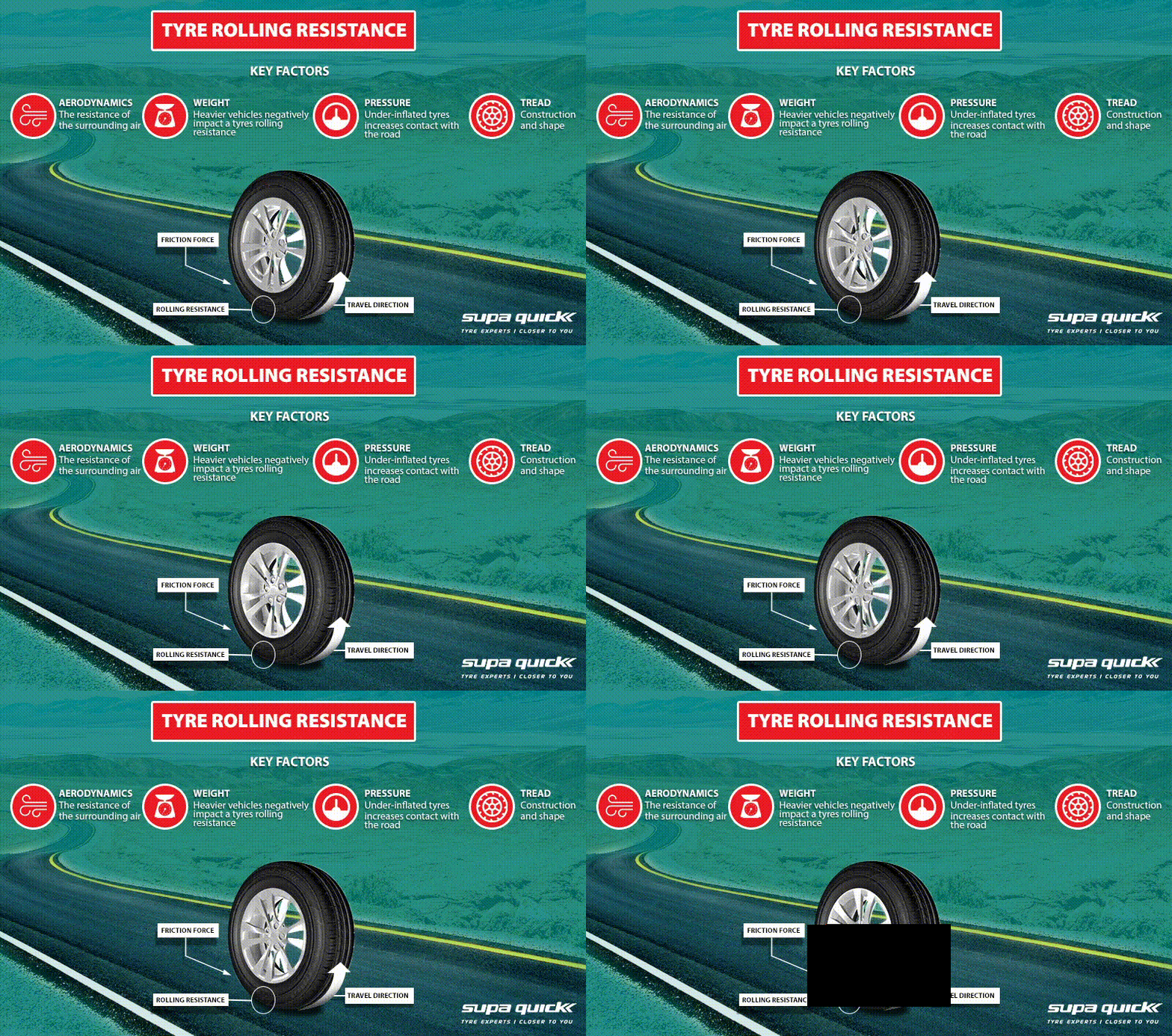
Proper tire inflation directly impacts your Nissan Kicks’ fuel economy, with underinflated tires creating measurable efficiency losses that compound over time. Underinflated tires increase rolling resistance—the force required to keep tires rolling down the road. Studies show that every 1 PSI below recommended pressure reduces fuel economy by approximately 0.2%. While this single percentage point seems minor, tires 10 PSI under can reduce efficiency by 2% or more, translating to dozens of gallons of wasted fuel over time.
The rolling resistance increase from underinflation affects more than just your wallet. Additional resistance means your engine works harder, generating more emissions and accelerating engine wear. Properly inflated tires reduce your vehicle’s environmental footprint while extending component life across multiple vehicle systems.
Overinflation creates efficiency problems too, though through different mechanisms. Excessively pressurized tires create a smaller contact patch, reducing grip and requiring more aggressive driving to maintain normal acceleration rates. More concerning, overinflated tires wear unevenly, with center tread wearing significantly faster than shoulder areas. This premature wear shortens tire life and creates the need for earlier replacement, offsetting any short-term efficiency gains.
Monthly Maintenance Routine for Optimal Performance
Establishing a simple monthly tire pressure maintenance routine significantly extends your Nissan Kicks’ tire lifespan and ensures consistent performance. Purchase a reliable digital pressure gauge (analog gauges often provide less consistent readings) and check all tires—including the spare—on a monthly basis. Establish a routine, such as checking on the first of each month or when filling fuel, to ensure consistency.
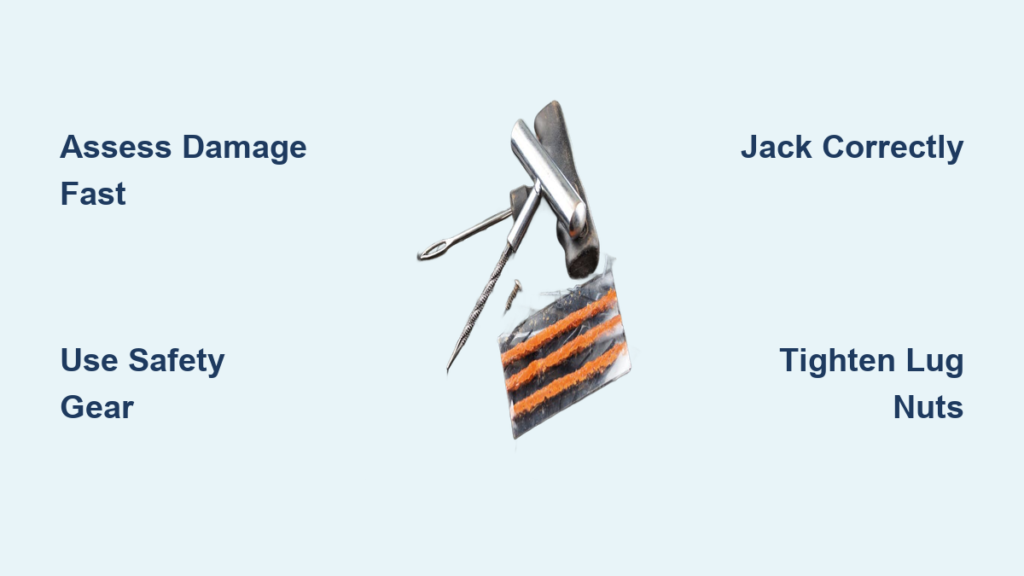
During each check, inspect tires for visible damage including cuts, punctures, bulges, or abnormal wear patterns. Sidewall damage weakens tire structure and can cause sudden failure. Any visible damage warrants immediate tire replacement regardless of pressure readings. Similarly, embedded objects like nails require professional assessment—removal may cause faster air loss than leaving the object in place until repair.
Check valve stems for leaks by applying soapy water—bubbles indicate escaping air. Many slow leaks originate at the valve stem and can often be resolved by simply tightening or replacing the valve core. Additionally, ensure valve stem caps are always in place, as they protect the valve mechanism from dirt and moisture that can cause slow leaks.
Final Recommendations for Nissan Kicks Owners
Maintaining proper tire pressure for your Nissan Kicks requires understanding specifications, recognizing system warnings, and establishing consistent checking habits. The recommended cold pressure range provides the foundation for optimal performance, efficiency, and safety. Monthly pressure checks, proper response to TPMS warnings, and attention to seasonal adjustments keep your Kicks running efficiently and safely for years to come.
When problems persist despite your troubleshooting efforts, professional diagnosis identifies sensor failures, slow leaks, or other issues requiring specialized equipment. Regular alignment checks and proper storage practices complement inflation maintenance, maximizing the return on your tire investment. Remember that your vehicle’s specific tire information placard always takes precedence over general recommendations, so consult this resource first for your exact specifications. By prioritizing proper tire maintenance, you’re investing in your safety, your wallet, and the longevity of your Nissan Kicks.