If you’re considering wider rims for your vehicle, you’ve probably wondered: does wider rims make tire shorter? The short answer is it depends—not on the rim width alone, but on how you select the complete tire package. Many drivers mistakenly believe that simply mounting wider rims automatically reduces tire height, but the reality involves precise calculations of aspect ratios, section widths, and overall diameter. Understanding these relationships prevents costly mistakes that could compromise your speedometer accuracy, handling, and even safety.
This confusion often stems from seeing lowered vehicles with wide rims and low-profile tires. But the lowered stance comes from intentional tire sizing choices, not the rim width itself. When you upgrade rims properly, you can maintain your original ride height while gaining performance benefits. This guide explains exactly how rim width affects tire dimensions and helps you select combinations that deliver your desired results without unexpected consequences.
How Tire Dimensions Actually Work
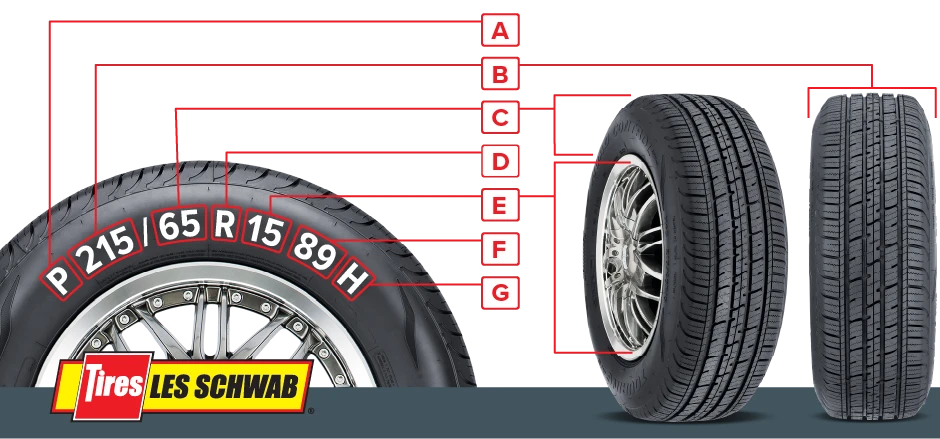
Your tire size code contains precise measurements that determine how the tire will perform on different rim widths. A size like P225/50R17 isn’t arbitrary—it specifies exactly how the tire should be mounted and what changes occur when you alter rim width.
Breaking Down Your Tire Size Code
The first number (225) represents the tire’s section width in millimeters across the widest part of the sidewall. This measurement directly correlates to the minimum recommended rim width. Mounting a 225mm tire on a rim narrower than 6 inches would cause excessive sidewall bulge, while a rim wider than 7.5 inches would stretch the tire unnaturally.
The aspect ratio (50) indicates sidewall height as a percentage of section width—here, 50% of 225mm equals 112.5mm of sidewall height. This critical measurement determines how much the tire can flex during cornering and absorb road impacts. Higher numbers mean taller, more comfortable sidewalls; lower numbers create stiffer, performance-oriented profiles.
The final number (17) specifies the exact wheel diameter in inches the tire must fit. You cannot mount a 17-inch tire on a 16-inch or 18-inch rim—the bead seats wouldn’t seal properly, risking dangerous air loss.
Why Rim Width Changes Tire Shape
When you mount a tire on a wider rim, the sidewalls spread outward, reducing effective sidewall height and flattening the tread contact patch. This creates more grip during cornering but doesn’t necessarily shorten the overall tire diameter. The same P225/50R17 tire mounted on a 7.5-inch rim instead of a 6.5-inch rim will have a slightly smaller overall diameter—typically 0.2-0.5 inches less—due to the sidewall spreading horizontally rather than vertically.
Conversely, mounting that same tire on a narrower rim increases effective sidewall height as the tire bulges outward. This provides a softer ride but reduces steering precision as the sidewalls flex more during maneuvers.
Maintaining Correct Overall Diameter
The critical factor isn’t whether wider rims make tires shorter—it’s whether you maintain proper overall diameter when changing rim widths. Your vehicle’s systems rely on consistent tire revolutions per mile, making diameter preservation essential.
Why Diameter Consistency Matters
Your speedometer, odometer, traction control, and ABS all depend on accurate wheel rotation measurements. A 3% or greater diameter change triggers warning lights, incorrect speed readings, and potential drivetrain damage in all-wheel-drive vehicles. For example, a 2% diameter reduction makes your speedometer read 60 mph when you’re actually traveling 58.8 mph—a dangerous discrepancy during highway driving.
Suspension geometry also depends on proper tire diameter. Significant reductions effectively lower your vehicle, altering camber angles and changing how suspension components interact during cornering and braking.
Calculating Diameter for Wider Rim Setups
Calculate your current tire’s overall diameter using this formula: (Section Width × Aspect Ratio ÷ 100 × 2) ÷ 25.4 + Wheel Diameter. For a 225/50R17 tire: (225 × 50 ÷ 100 × 2) ÷ 25.4 + 17 = 25.8 inches.
When upgrading to wider rims, select tires with lower aspect ratios to maintain this diameter. For instance, moving from 17-inch to 18-inch rims (a 1-inch increase) requires reducing the aspect ratio by approximately 10 points while increasing section width by 15-20mm. A 225/50R17 (25.8″) becomes approximately 245/40R18 (25.7″)—maintaining nearly identical overall diameter.
Performance Tradeoffs with Wider Rims

Wider rims with properly sized tires deliver tangible benefits but come with important compromises you must consider before making the switch.
Handling Improvements You’ll Notice Immediately
Wider rims with appropriate tire sizing reduce sidewall flex during aggressive cornering, delivering crisper steering response and more predictable handling limits. The larger contact patch provides increased grip during hard acceleration and braking—especially noticeable on dry pavement. Many drivers report feeling more connected to the road after upgrading, with reduced body roll during quick direction changes.
Pro tip: For track days, maximize these benefits by selecting tires specifically designed for your new rim width rather than stretching your current tires across wider wheels.
Ride Comfort Sacrifices You Can’t Ignore
The same stiffer sidewalls that improve handling transmit more road imperfections into your cabin. Potholes that barely registered with your original tires now create noticeable thuds and vibrations. Low-profile tires on wide rims provide minimal cushioning against expansion joints and rough pavement, making daily commutes noticeably harsher.
If you drive in areas with poor road conditions, consider keeping aspect ratios at 45 or higher. A 245/45R18 setup offers significant performance gains over stock while maintaining reasonable ride comfort for daily driving.
Avoiding Costly Fitment Mistakes
Many enthusiasts damage their vehicles through improper rim and tire selection—not because wider rims make tires shorter, but because they overlook critical fitment factors.
Clearance and Rubbing Risks
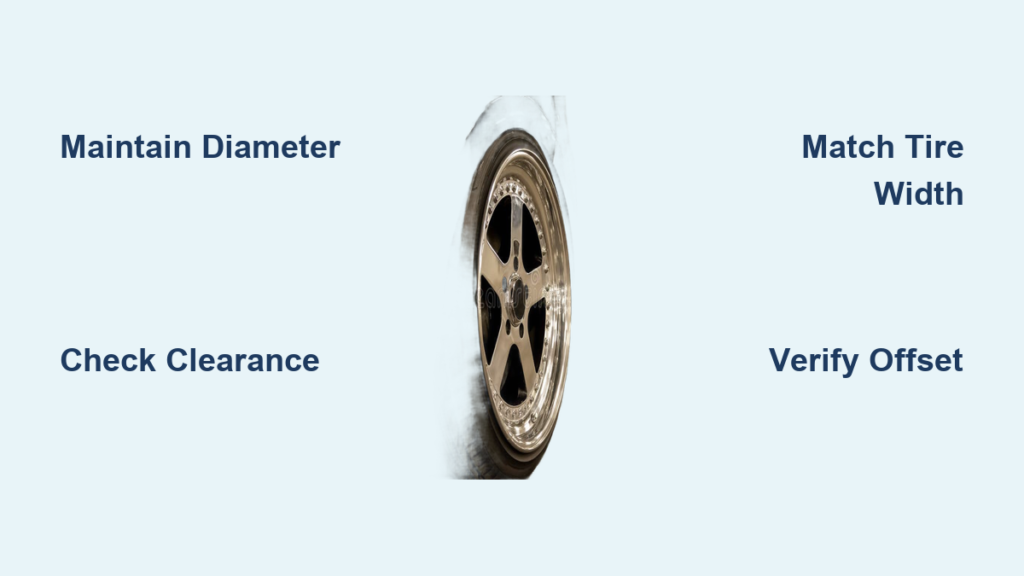
Wider rims push tires outward, potentially causing contact with fender liners, suspension components, or brake calipers during turns or bumps. Always verify clearance by:
– Measuring from current tire sidewall to inner fender
– Checking inner clearance with wheels turned fully left and right
– Accounting for suspension compression during hard cornering
Critical warning: Ignoring clearance issues can damage tires, suspension parts, and even cause loss of control during evasive maneuvers.
Offset and Backspacing Essentials
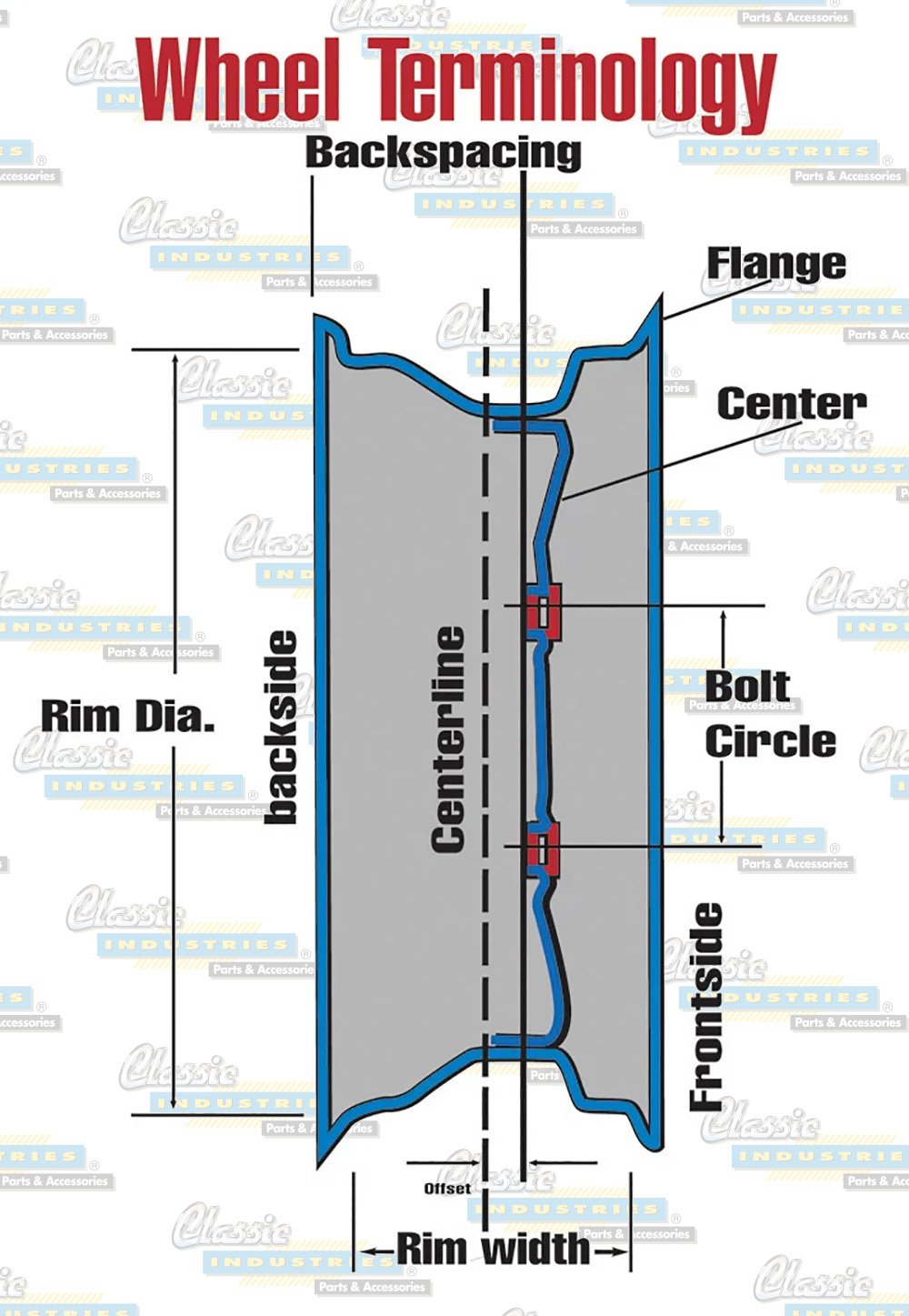
Wheel offset determines how far the wheel positions inward or outward from the hub. Incorrect offset creates dangerous steering instability and uneven tire wear. When selecting wider rims, maintain similar offset values to your stock wheels—typically within 5mm—to prevent handling issues.
Backspacing (distance from mounting surface to inner wheel edge) affects clearance with suspension components. Measure your current backspacing before purchasing wider rims to ensure compatibility.
Selecting Your Perfect Rim and Tire Combination
Choosing the right setup requires balancing performance goals with practical considerations for your specific driving needs.
Match Your Setup to Primary Driving Conditions
For daily commuters: Stay within one inch of your original wheel diameter with moderate width increases (up to 1 inch wider than stock). Maintain aspect ratios of 45-55 for acceptable ride comfort on varied road surfaces.
For performance enthusiasts: Consider plus-one or plus-two sizing with aspect ratios of 35-45 for track-focused setups. Prioritize tires specifically designed for your new rim width rather than stretching existing tires.
For winter driving: Narrower tires often perform better in deep snow despite wider rim trends. Resist the urge to mount wide summer tires on winter rims—they actually reduce snow traction.
Verify Compatibility Before Purchasing
Before buying wider rims, use these verification steps:
1. Calculate overall diameter of proposed setup (must be within 3% of stock)
2. Check manufacturer’s recommended rim width range for your target tire size
3. Confirm clearance using online fitment calculators for your specific vehicle
4. Verify offset compatibility with your suspension geometry
Many tire retailers offer digital fitment tools that simulate how specific combinations will look and function on your exact vehicle model—take advantage of these resources before committing.
Key Takeaways for Your Rim Upgrade
Wider rims don’t inherently make tires shorter—your tire selection determines the final dimensions. The critical factor is maintaining proper overall diameter while achieving your desired width increase. When done correctly, wider rims improve handling without compromising safety systems or speedometer accuracy.
Always calculate diameters before purchasing, verify clearance for your specific vehicle, and select tires designed for your new rim width. Consult professionals if uncertain—they can identify potential issues you might overlook. The extra research prevents costly mistakes and ensures your upgraded wheels deliver exactly what you want: improved performance without unexpected consequences to your ride height or vehicle systems.
Remember that perfect combination balances your performance goals with practical considerations for your daily driving conditions. With proper planning, wider rims can transform your driving experience while maintaining all the safety and functionality you expect from your vehicle.