Your Kia Sorento’s tire pressure directly impacts safety, fuel economy, and tire lifespan—but many owners overlook this critical maintenance task. Properly inflated tires provide optimal braking performance, improve handling, and can save you hundreds in premature tire replacements. When your Sorento’s tires run 10% underinflated (just 3-4 PSI below spec), you’re sacrificing up to 3% in fuel efficiency while accelerating tread wear by 15-20%. This guide delivers the exact pressure specifications, troubleshooting methods, and maintenance routines that keep your Sorento performing at its best regardless of season or driving conditions.
Find Your Exact Sorento Tire Pressure Spec
Your Kia Sorento requires specific pressure levels that vary by model year, trim, and tire size—not the generic recommendations found online. For example, the 2016 Sorento equipped with standard 235/60/R18 V 103 tires needs precisely 34 PSI (2.3 BAR) on all four wheels. This balanced pressure maximizes the tire’s contact patch for optimal traction while minimizing rolling resistance to boost fuel economy.
Don’t confuse the manufacturer’s recommended pressure with the maximum PSI printed on your tire sidewall—that number represents the tire’s safety limit, not your ideal operating pressure. Running tires at maximum pressure creates a harsh ride, reduces traction, and causes dangerous center-tread wear. Your Sorento’s ideal pressure maintains the perfect balance between comfort, efficiency, and safety.
Why Pressure Varies by Sorento Model
Different Sorento trims and configurations require unique pressure settings due to weight distribution and suspension tuning. Heavier trims like the SX Prestige may need slightly higher pressures than base L models. If your Sorento has optional 20-inch wheels instead of standard 18-inch ones, pressure requirements change significantly—typically increasing by 2-3 PSI to compensate for the lower-profile tires.
Locate Your Official Pressure Specifications
The driver’s side door jamb sticker contains your Sorento’s exact pressure specifications—never rely solely on online charts. This manufacturer-applied label shows front and rear pressures calibrated for your specific VIN, including special recommendations for heavy-load scenarios. For most Sorento models, you’ll see two pressure values: one for normal driving and another for when carrying maximum passenger or cargo weight.
What to Do If Your Sticker Is Missing
If your door jamb sticker is damaged or missing, consult your owner’s manual under “Tire Information” rather than guessing. When neither resource is available, contact your local Kia dealership with your VIN—they can provide exact specifications within minutes. Never use another Sorento owner’s pressure settings, as even vehicles of the same year and trim can have different requirements based on optional equipment.
Diagnose TPMS Warning Light Patterns

Your Sorento’s TPMS warning light behaves differently based on the problem—knowing these patterns prevents unnecessary service visits. A steady yellow light means one or more tires has dropped 25% below spec (about 8-9 PSI for a 34 PSI tire). This requires immediate attention as severely underinflated tires overheat, increasing blowout risk by 300%.
Flashing vs. Steady Light Meaning
If the TPMS light flashes for 60-90 seconds before staying illuminated, your system has a malfunction—not a pressure issue. This typically indicates dead sensor batteries (which last 5-10 years), physical sensor damage from potholes, or interference from aftermarket electronics. Unlike low-pressure warnings, flashing lights won’t resolve with air inflation and require professional diagnosis.
Proper Tire Pressure Checking Technique
Checking pressure correctly requires specific timing and technique for accurate readings. Always check when tires are cold—meaning the vehicle hasn’t been driven for at least three hours or driven less than 1 mile. Driving heats tires, increasing pressure by 4-6 PSI and masking true inflation levels.
Step-by-Step Pressure Check
- Remove valve caps and press a digital gauge firmly onto the valve stem until hissing stops
- Read the displayed pressure—don’t trust built-in air chuck gauges at gas stations
- Compare to your door jamb sticker spec (not tire sidewall max pressure)
- Add air in 2 PSI increments, rechecking after each addition
- Replace valve caps tightly to prevent moisture-induced slow leaks
Seasonal Pressure Adjustment Protocol
Temperature changes directly impact tire pressure—expect 1-2 PSI drop for every 10°F temperature decrease. During winter, check pressure weekly as morning freezes trigger false TPMS warnings. Maintain pressure 2-3 PSI above spec during extreme cold (below 20°F), but reset to normal once temperatures stabilize above freezing.
Summer Overinflation Prevention
Highway driving in summer heat can increase pressure by 6-8 PSI above cold readings. If your TPMS light illuminates during hot weather, drive cautiously to a safe location and check pressure—never release air from hot tires. Wait 2 hours for tires to cool before adjusting. For frequent highway drivers, consider reducing pressure by 2 PSI during extreme heat (above 90°F) to maintain optimal contact patch.
Fix Uneven Tire Pressure Issues
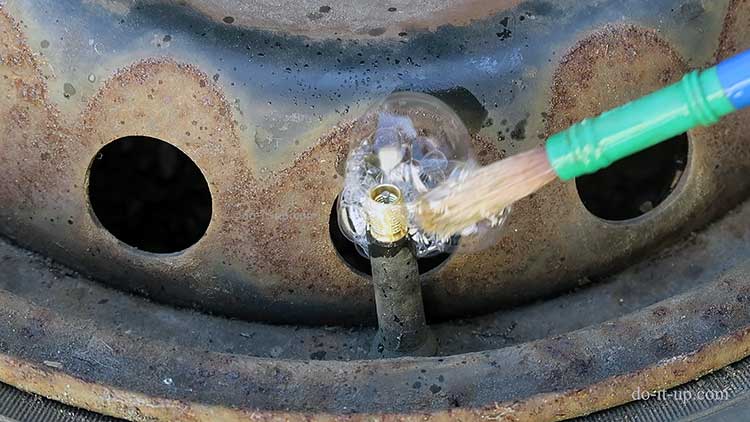
When front and rear tires show different pressures despite equal inflation, multiple causes require specific solutions. The most common culprit is a slow leak at the valve stem—apply soapy water to the stem; bubbles indicate escaping air. Replace the valve core (costing $2-$5) if leaks persist after tightening.
Sensor Malfunction Troubleshooting
If all tires show equal pressure but the TPMS light remains on, sensor issues are likely. Reset the system by driving 15+ minutes above 19 mph—if the light returns, visit a tire shop for sensor diagnostics. Sensor replacement costs vary significantly:
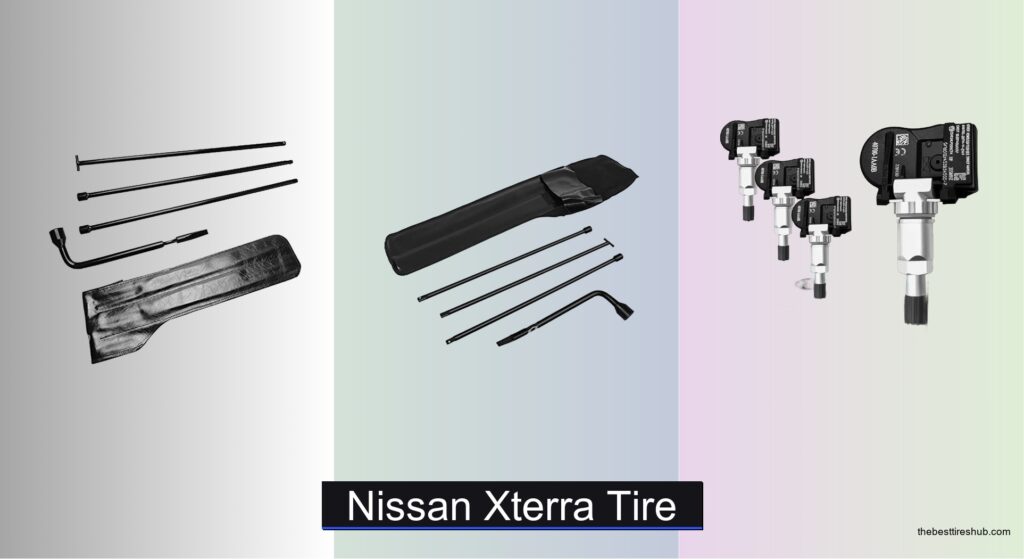
- Economy sensors ($32-$55): SU15420, 33500, DLPRS-1 with limited-lifetime warranties
- Mid-range sensors ($70-$120): SU11984, SU12015, ABSC20636 offering best value
- Premium sensors ($100-$400): DLPRS-20, OEM parts for extreme climates or heavy use
TPMS Sensor Replacement Process
Replacing a failed sensor requires specialized tools and procedures most DIYers lack. The process involves:
- Removing the tire from the wheel using proper equipment
- Extracting the old sensor from the valve stem location
- Installing new sensor with fresh rubber gasket and valve core
- Relearning the system using Kia-specific diagnostic tools
Professional installation typically costs $50-$100 per sensor plus parts. Always choose sensors with limited-lifetime warranties—most cover manufacturing defects though battery depletion (after 5-10 years) usually isn’t included.
Extend Tire Lifespan With Proper Maintenance
Tires inflated 10% below spec wear 15-20% faster while reducing fuel economy by up to 3%. To maximize tire life:
- Check pressure monthly using the same reliable gauge
- Rotate tires every 5,000-7,500 miles to balance wear patterns
- Inspect tread for uneven wear indicating alignment issues
- Maintain pressure within 2 PSI of recommended spec year-round
Recognize Wear Pattern Warning Signs
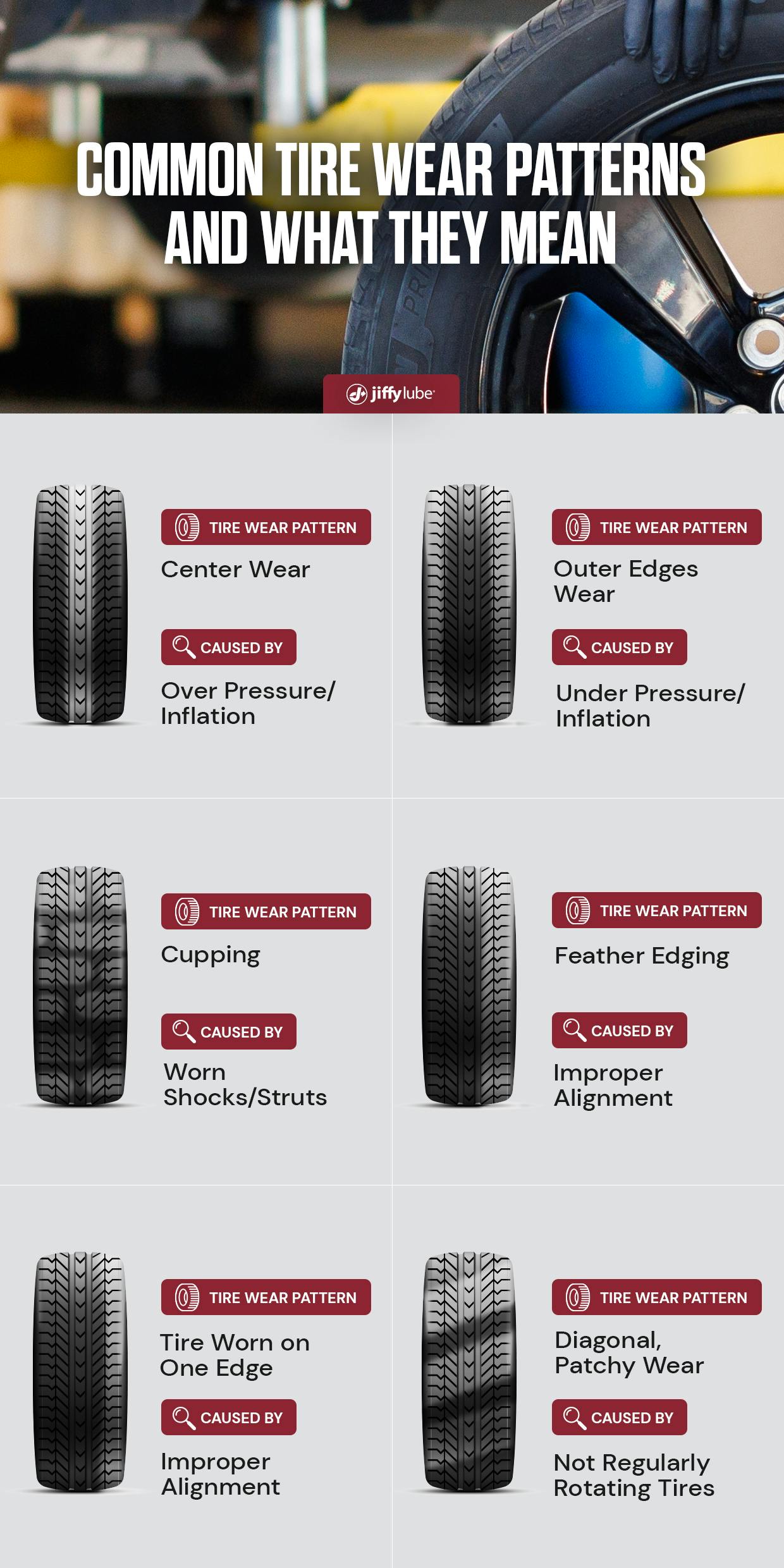
Inner or outer edge wear signals chronic underinflation—immediately check your pressure routine. Center tread wear indicates consistent overinflation, while cupped or scalloped patterns point to suspension problems requiring professional diagnosis. Catching these early prevents premature tire replacement.
Create Your Sorento Tire Maintenance Routine
Establish a simple monthly ritual that prevents 90% of tire-related issues. Set phone reminders for the first of each month to check pressure when tires are cold. Keep a quality digital gauge and portable air compressor in your Sorento—modern models like the VIAIR 88P deliver precise inflation in under 2 minutes.
When replacing tires, insist on TPMS sensor service kits including new gaskets, valve cores, and caps ($5-$10 per wheel). This prevents 80% of post-service slow leaks that trigger annoying TPMS warnings. Finally, schedule alignment checks annually or with each tire rotation—proper alignment prevents uneven wear that mimics pressure problems.
Final Note: Consistent tire pressure maintenance pays dividends through safer handling, better fuel economy, and tires that last thousands of miles longer. By following these specific Kia Sorento pressure guidelines and establishing a simple monthly routine, you’ll avoid costly repairs while keeping your vehicle performing at its peak in all driving conditions.