You’re buckling into your Volkswagen Atlas for a weekend getaway when you notice one tire looks slightly low. Without the correct pressure specs, you risk uneven tread wear, reduced fuel efficiency, or even a dangerous blowout on the highway. Many Atlas owners have lost their owner’s manuals or can’t locate the critical tire pressure information—especially when that door jamb sticker fades or gets damaged over time. This guide cuts through the confusion by showing you exactly where to find your Volkswagen Atlas tire pressure specifications using factory-approved methods, even if you’ve misplaced your manual. You’ll learn the primary locations, how to interpret the labels, and what to do when standard sources are missing—all verified through Volkswagen’s official documentation standards.
Locate the Driver’s Side Door Jamb Sticker (Your Primary Source)
This white or yellow label permanently affixed to the driver’s door pillar contains your Atlas-specific tire pressure requirements. Open the driver’s door fully and examine the vertical surface where the latch connects to the car body. You’ll find critical specifications including front/rear PSI values, spare tire pressure, and maximum vehicle load capacity. The sticker uses bold numerical values like “220 kPa (32 PSI)” for cold tires—never use the “MAX PRESS” number molded into your tire sidewall as this indicates only the tire’s structural limit, not Volkswagen’s recommended setting. If the sticker appears faded or damaged, don’t guess: proceed to alternative verification methods immediately since incorrect pressure compromises handling during emergency maneuvers.
What to Do If the Door Jamb Sticker Is Missing or Illegible
Many Atlas owners discover this sticker has deteriorated after years of door slamming and weather exposure. Before taking any action, confirm it’s truly gone by cleaning the area with isopropyl alcohol—residue often obscures readable text. If still missing, never rely on generic online charts as pressure varies significantly between Atlas trims (SE, SEL, R-Line) and model years. Your immediate next step is checking the glove compartment for the owner’s manual. If unavailable, locate your 17-character VIN (visible through the windshield or on a door jamb plate) to access personalized specifications through Volkswagen’s official channels. Temporary driving with estimated pressure risks suspension damage and voids tire warranties—this isn’t a “wait until tomorrow” situation.
Why Dealership Records Beat Online Forums for Accuracy
Online Atlas owner forums often circulate outdated or incorrect PSI values like “35 PSI for all models.” These guesses become dangerous when applied to your specific vehicle configuration. Volkswagen dealerships access your exact specifications through your VIN in their global database—accounting for factors like optional all-wheel drive or larger wheel packages that alter pressure requirements. A 2021 SEL Premium with 20″ wheels requires different pressure than a base 2018 model with 18″ wheels. When contacting your dealer, have your VIN ready and request the “Tire Inflation Pressure Specification Sheet” (TIS-123) which provides factory-certified values. This takes 2 minutes over the phone versus risking $1,200 in premature tire replacement from improper inflation.
Access Tire Pressure Info Through Your MIB Infotainment System
Modern Volkswagen Atlas models (2018+) display real-time tire pressure readings and recommended values via the touchscreen. Start the vehicle, navigate to Vehicle Settings > Tires > Tire Pressure Display using the central MIB3 infotainment screen. The system shows current PSI for each tire with color-coded alerts—green for optimal range, yellow for low pressure, red for critical failure. While this confirms current readings, it doesn’t replace the door jamb sticker’s recommended values. For the exact target pressure, look for the “Recommended Pressure” subsection which pulls factory specifications based on your VIN configuration. This digital method takes 15 seconds versus manual gauge checks but requires the vehicle to be running and the TPMS sensors to be functional.
Troubleshooting When Digital Readings Don’t Match Physical Checks
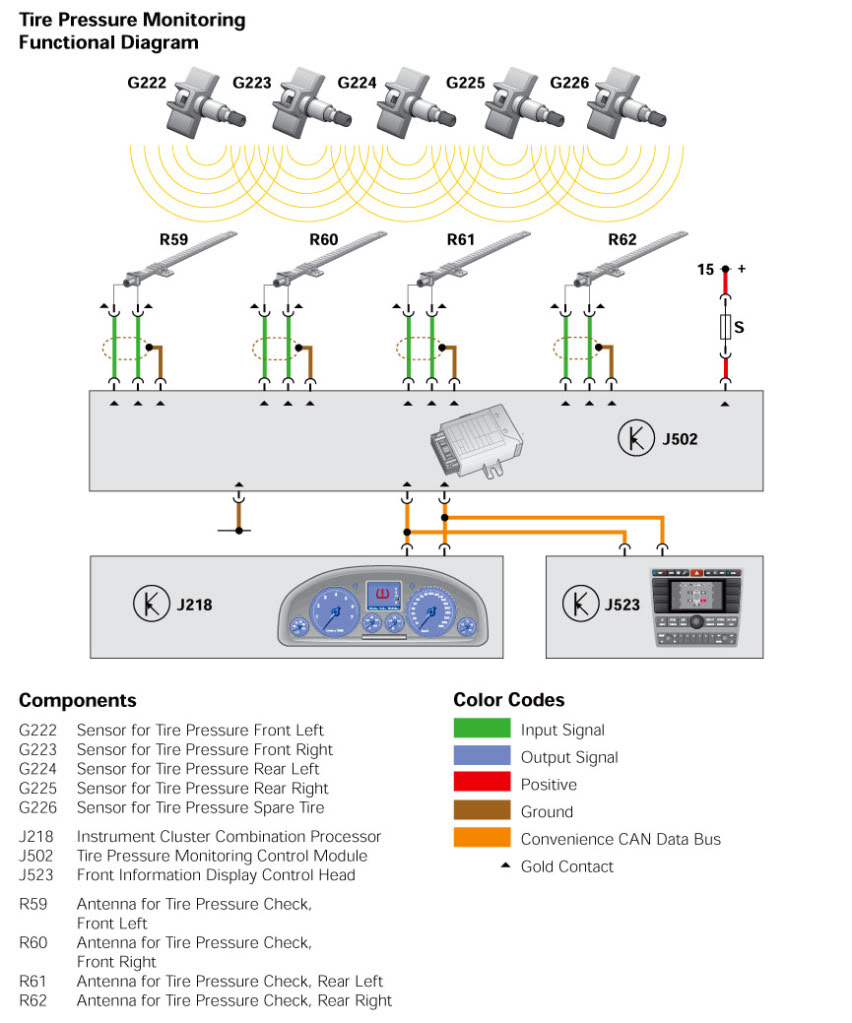
If your infotainment shows 32 PSI but your handheld gauge reads 28 PSI, don’t automatically trust the digital display. First, verify your gauge’s accuracy by testing it on a known-pressure tire (like a bicycle). Common discrepancies occur when:
– TPMS sensors need recalibration after tire rotation
– Temperature fluctuations haven’t stabilized (wait 3+ hours after driving)
– Sensors have dead batteries (common after 5+ years)
Reset the system by driving above 15 mph for 10 minutes with correct pressure, then recheck. Persistent mismatches require dealership diagnostics—ignoring this wastes fuel and wears tires unevenly.
Decode Your Owner’s Manual Tire Pressure Section

The Atlas owner’s manual contains the definitive pressure specifications in two critical locations. First, check the “Tires and Wheels” chapter (Section 4) for detailed inflation guidelines based on load conditions. Second, examine the “Vehicle Loading” appendix (Section 9) which provides scenario-specific tables—like adding 4 psi when carrying 800+ lbs of cargo. These sections explain why Volkswagen specifies different pressures for front (typically 32-35 PSI) versus rear tires (30-33 PSI) to optimize weight distribution. Crucially, the manual emphasizes checking pressure when tires are “cold”—meaning the vehicle hasn’t been driven for 3+ hours or traveled less than 1 mile. Skipping this step yields inaccurate readings since driving heats tires, increasing pressure by 4-6 PSI.
Where to Find Digital and Physical Manuals When Yours Is Missing
Lost your printed manual? Volkswagen provides free digital access through their official owner portal. Visit VW’s Owner’s Manual Library, enter your VIN, and download the exact manual for your Atlas model year. Physical replacements cost $15-$25 through dealerships—worth every penny for safety-critical information. Never rely on third-party manuals as they often omit trim-specific details; a forum-posted PDF for a 2020 Atlas might incorrectly apply to your 2023 model with updated suspension.
Verify Pressure Using Fuel Door and Spare Tire Labels

While less common than door jamb stickers, some Atlas models display pressure specifications on the fuel filler door’s inner panel. Open the fuel door and inspect the black plastic housing for a small label with PSI values—this serves as a secondary reference if the door jamb sticker is damaged. Additionally, check the spare tire storage compartment under the cargo floor. The spare tire’s sidewall lists its maximum pressure (usually 60 PSI), but Volkswagen’s required inflation is often lower—typically 42 PSI for temporary use. Critical warning: Never drive more than 50 miles on the spare, and reduce speed to 50 mph max regardless of pressure.
Avoid These 3 Costly Tire Pressure Mistakes
Assuming All Tires Need Equal Pressure
Volkswagen engineers specify different front/rear pressures for optimal Atlas handling. Front tires often run 2-3 PSI higher to compensate for engine weight and steering forces. Matching pressures causes understeer during cornering and uneven shoulder wear. Always follow the sticker’s distinct front/rear values.
Using Summer Pressure in Winter
Cold temperatures drop tire pressure by 1 PSI per 10°F decrease. An Atlas parked outside at 20°F loses 4-5 PSI versus 70°F garage storage. Check pressure weekly during winter—underinflated tires increase hydroplaning risk on slush. Never “top off” to summer levels; maintain the sticker’s specified cold pressure year-round.
Ignoring Load-Dependent Adjustments
The door jamb sticker includes a “MAX LOAD” line showing required pressure increases when carrying heavy cargo or passengers. For example: “Add 4 PSI when loading exceeds 800 lbs.” Skipping this adjustment strains sidewalls and reduces emergency braking performance by up to 20% according to NHTSA data.
Maintain Peak Performance With Monthly Pressure Checks
Set phone reminders to check Atlas tire pressure on the first Sunday of each month. Use a digital gauge (not gas station hoses) for accuracy within 1 PSI. Always check when tires are cold—early morning is ideal. Remove valve stem caps, press the gauge firmly onto the valve until hissing stops, then read the display. Adjust using an air compressor, rechecking after each puff. Finally, reinstall valve caps to prevent moisture-induced corrosion. This 5-minute ritual extends tire life by 25%, improves fuel economy by 3%, and keeps your Atlas handling predictably in rain or snow.
Final Note: Your Volkswagen Atlas door jamb sticker remains the gold standard for tire pressure specifications—supplemented by the owner’s manual and infotainment system. When these fail, your VIN unlocks factory-certified data through Volkswagen dealerships. Never settle for guesswork; proper inflation prevents 1 in 4 tire-related crashes according to federal safety data. If you’ve lost all reference points, visit a Volkswagen service center immediately—many provide free pressure verification with your VIN. Keep this guide visible in your glove compartment for quick reference, and remember: precise tire pressure isn’t just maintenance, it’s your safety net on every journey.