Your Subaru Impreza’s tire pressure directly impacts safety, fuel economy, and tire longevity, yet many drivers only check when the TPMS warning light flashes red on their dashboard. Properly inflated tires can improve your Impreza’s fuel efficiency by up to 3% and extend tire life by thousands of miles. Understanding how to check tire pressure on your Subaru Impreza takes just minutes but prevents dangerous blowouts, uneven tread wear, and costly repairs down the road. This guide provides the exact steps needed to maintain optimal tire pressure for your specific Impreza model, ensuring peak performance in all driving conditions from daily commutes to weekend adventures.
Neglecting tire pressure creates a cascade of problems for your Subaru Impreza. Underinflated tires increase rolling resistance, forcing your engine to work harder and burning more fuel. They also wear out faster on the outer edges, potentially cutting tire life in half. Overinflated tires reduce the contact patch with the road, compromising traction during emergency maneuvers and increasing vulnerability to road hazards. By learning how to check tire pressure on your Subaru Impreza correctly, you protect your investment, enhance safety, and enjoy the responsive handling your all-wheel-drive sedan was designed for.
Locate Your Impreza’s Correct Pressure Specifications
Before touching any tire, find your Impreza’s exact pressure requirements in two critical places. The driver’s side door jamb sticker provides the manufacturer’s recommended cold tire pressures specific to your vehicle configuration. This sticker includes tire size, load capacity, and inflation specifications—information that changes if you’ve upgraded to different sized tires. For most 2012-2023 Subaru Impreza models, the standard recommendation is 33 PSI for all four tires when cold under normal driving conditions, but performance trims with larger wheels may require different pressures.
Your owner’s manual offers additional guidance for special situations like highway driving, heavy loads, or extreme temperatures. Always prioritize the door jamb sticker over the tire sidewall’s maximum pressure rating, which indicates the tire’s safety limit, not your vehicle’s optimal performance specification. If you’ve modified your Impreza with different tires, consult a tire professional to determine the correct pressure for your specific setup rather than relying on factory specifications.
Why Cold Tire Pressure Matters for Accurate Readings
Cold tire pressure refers to measurements taken when tires have been stationary for at least three hours or driven less than one mile at moderate speeds. Driving heats the air inside tires, increasing pressure by 3-8 PSI above cold readings. Checking warm tires leads to inaccurate measurements and potential underinflation after the tires cool. For precise results, check your Impreza’s tire pressure early in the morning before driving or after the vehicle has sat overnight. If you must check warm tires, subtract 3-4 PSI from your reading to estimate cold pressure, but always verify with a second check when tires have cooled for absolute accuracy.
Gather Essential Equipment for Precise Measurements

You need only two tools for reliable tire pressure checks: a quality pressure gauge and an air compressor. Digital gauges outperform analog models with accuracy within 1 PSI and backlit displays for low-light conditions—critical when checking tires early morning or evening. Look for gauges with ergonomic grips and protective valve stem caps to prevent damage during use. While gas stations provide air compressors, their gauges often deliver inaccurate readings, so always verify with your own gauge after using public equipment.
Portable Solutions for On-the-Go Pressure Maintenance
Invest in a compact digital gauge that fits in your Impreza’s center console for spontaneous checks. Models like the JACO ElitePro or Tacklife P0007 feature magnetic backs that attach to your vehicle’s body for convenient access. For frequent travelers, a 12V portable air compressor like the AstroAI Double Quick delivers 150 PSI and includes preset pressure settings—just set your target (33 PSI for most Imprezas), connect to the cigarette lighter, and let it auto-stop at the correct pressure. Keep these tools in your trunk so you’re never caught with underinflated tires during road trips.
Perform Accurate Tire Pressure Measurement on All Wheels
Begin by removing each valve cap and setting it aside in a secure location like your pocket or on the tire tread. Press your gauge firmly onto the valve stem until you hear a brief hiss, indicating a proper seal. Digital gauges display readings instantly, while analog models require noting where the dial pointer settles. Record each tire’s pressure before making adjustments to identify patterns across all wheels. Most Impreza owners find checking all four tires first then making corrections more efficient than adjusting each tire individually.
Don’t Forget the Spare Tire in Your Trunk
Your Impreza’s spare tire, typically stored under the cargo floor, requires regular pressure checks despite infrequent use. Consult your owner’s manual for the specific spare tire pressure—most Impreza models require 60 PSI for the temporary spare. A flat spare provides no assistance during emergencies, so include it in your monthly pressure checks. Use a longer hose attachment on your gauge to reach the spare’s valve stem comfortably, and consider marking the spare’s recommended pressure on the tire itself with permanent marker for quick reference.
Interpret Your Gauge Readings Correctly
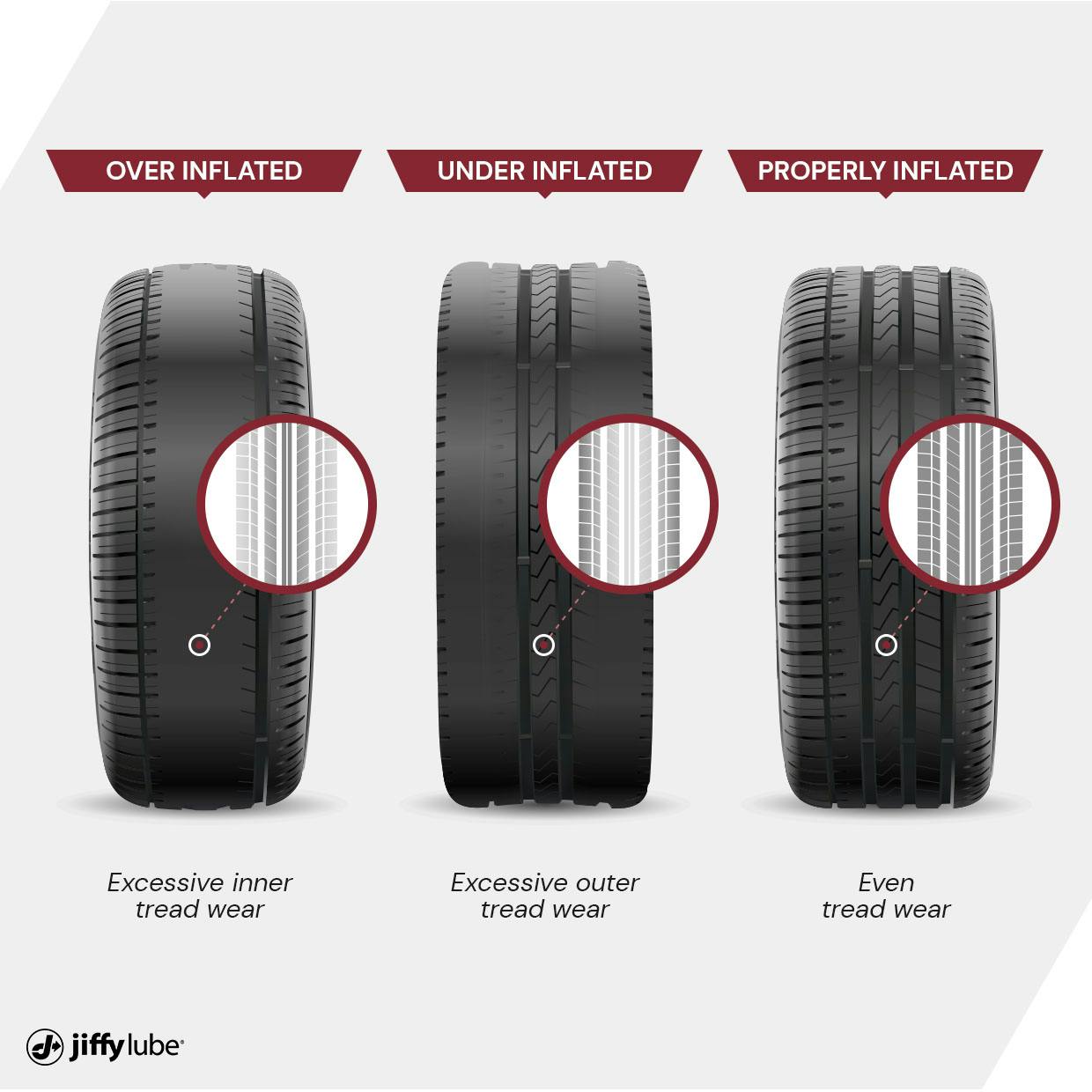
Compare each tire’s reading to your door jamb sticker’s specification (typically 33 PSI for most Impreza models). Tires within 3 PSI of the target generally need no adjustment, but readings more than 3 PSI low require inflation while readings over 3 PSI high need deflation. If one tire consistently reads lower than others, investigate for slow leaks from punctures, damaged valve stems, or corroded wheel beads. Mark suspect tires with chalk at the valve stem location and recheck pressure after 48 hours to confirm leakage.
Temperature Effects on Tire Pressure Readings
Understand that tire pressure changes approximately 1 PSI for every 10°F temperature shift. This explains why TPMS lights often illuminate on cold winter mornings despite proper inflation days earlier. When temperatures drop significantly overnight, add 1-2 PSI to compensate for the natural pressure decrease. During summer heat waves, monitor pressures closely as extreme heat can dangerously overinflate tires. Keep a pressure log to track seasonal variations and establish baseline readings for your climate.
Inflate Tires to Correct Pressure Without Overfilling
Add air in small increments using short bursts from your compressor. Inflate to 35-36 PSI (2-3 PSI above target) to account for air loss when disconnecting the hose, then recheck with your gauge. For overinflated tires, release air by pressing the valve stem’s center pin with your gauge’s built-in tool or a key, using 1-2 second bursts followed by rechecks. Never rely solely on gas station compressors’ automatic shut-offs—always verify final pressure with your own gauge for accuracy.
Verify All Adjustments Before Finalizing
After making corrections, recheck each tire’s pressure to confirm proper inflation. This critical verification step catches errors from hose disconnection air loss or gauge inaccuracies. If any tire reads outside the target range by more than 1 PSI, make additional adjustments. Properly inflated tires should feel firm but not rock-hard when pressed with your thumb—this tactile check provides immediate feedback before you even use your gauge.
Reset TPMS Warning Light After Pressure Corrections
If your Impreza’s TPMS light remains illuminated after correcting pressures, reset the system by turning the ignition to ON (without starting the engine), locating the reset button beneath the steering wheel or on the left instrument panel, and pressing until the light blinks twice. Drive 10-15 minutes above 15 mph to complete the sensor recalibration. If the light persists after proper inflation and reset attempts, visit a Subaru dealer for sensor diagnostics—faulty sensors typically require professional replacement after 5-10 years of service.
Avoid Common Tire Pressure Maintenance Mistakes
Never inflate tires to the maximum pressure listed on the tire sidewall—this represents the tire’s safety limit, not your vehicle’s optimal specification. Most Impreza owners mistakenly overinflate by 10-15 PSI when following sidewall markings instead of the door jamb’s 33 PSI recommendation. Additionally, don’t skip spare tire checks—many owners discover their “emergency” spare is flat when needed most. Establish a routine of checking all five tires (including the spare) monthly or before long trips to ensure comprehensive protection.
Establish a Consistent Pressure Check Schedule
Make tire pressure checks part of your regular vehicle maintenance by pairing them with other tasks like oil level checks or windshield washer fluid refills. Set calendar reminders every two weeks during seasons with significant temperature swings, and monthly during stable weather. Document readings in a simple log to identify gradual pressure loss that might indicate developing leaks. This small time investment pays dividends through improved fuel economy, extended tire life, and enhanced safety—keeping your Subaru Impreza performing at its best for years to come.