You’re driving down the highway when your tire pressure warning light suddenly flashes. Or maybe you’ve noticed uneven tread wear during your last oil change. Incorrect tire inflation affects everything from fuel efficiency to emergency braking distance—but here’s the critical problem: your vehicle’s required air pressure isn’t guesswork. Unlike what many assume, the “32 PSI” myth stamped on tire sidewalls is dangerously misleading. The exact PSI your tires need comes from your vehicle manufacturer, not the tire brand. Getting this wrong by just 6 PSI can increase stopping distance by 10 feet at 60 mph. In this guide, you’ll discover precisely where to find your car’s unique pressure specifications, how to measure current levels accurately, and why seasonal changes demand monthly checks—no mechanic visit required.
Find Your Vehicle’s Official Tire Pressure Sticker
Your car’s precise air requirement hides in plain sight—typically on a sticker permanently affixed inside the driver’s door jamb. This label, mandated by federal regulations since 2006, displays the exact cold PSI for front and rear tires based on your vehicle’s weight distribution and suspension design. Never rely on the maximum pressure molded into the tire sidewall—that number indicates the tire’s structural limit, not your car’s operational requirement. For trucks and SUVs, check the glove compartment or fuel filler door if the door jamb sticker is missing. If you’ve modified your vehicle with heavier aftermarket bumpers or roof racks, consult your owner’s manual supplement for adjusted specifications. When this sticker is damaged or missing, visit your dealer with your VIN—they’ll print an exact replacement showing your factory-specified PSI.
Why Door Jamb Stickers Beat Tire Sidewall Numbers
The PSI molded on your tire’s sidewall (e.g., “MAX PRESS 44 PSI”) represents the tire’s maximum safe inflation under full load—not your daily driving requirement. Your vehicle manufacturer calculates optimal pressure by testing weight distribution, suspension geometry, and handling dynamics. An SUV might specify 35 PSI front/33 PSI rear despite identical tires because the engine weight shifts the balance. Using sidewall numbers risks overinflation, causing center tread wear and harsh ride quality. Underinflating to “softer” sidewall numbers accelerates shoulder wear and increases blowout risk. Always prioritize the vehicle manufacturer’s sticker over tire brand recommendations.
Locating Hidden Stickers in Uncommon Vehicles
For classic cars pre-dating 2006 regulations, check the glove box lid or trunk lid hinge area. European imports often place stickers on the driver’s sun visor support. Electric vehicles like Teslas display pressure specs digitally through the touchscreen menu under “Controls > Tire Pressure.” If modifying your vehicle with larger wheels, the original sticker becomes invalid—use the placard on your new wheel’s mounting surface or consult a tire specialist with your exact wheel-tire combination.
Check Pressure When Tires Are Cold for Accuracy
Critical timing rule: Measure PSI before driving or at least three hours after stopping. Tires heat up during driving, expanding air volume and creating false high readings. A “cold” tire reads 3-5 PSI higher after 20 minutes of highway driving—enough to misdiagnose underinflation. Morning checks yield the most reliable data since overnight cooling resets temperatures. If you must check mid-journey, subtract 4 PSI from your reading to estimate the cold pressure. Never bleed air from hot tires—this causes dangerous underinflation once cooled.
Why Temperature Swings Demand Monthly Checks
Ambient temperature drops of 10°F reduce tire pressure by 1 PSI. During winter’s first cold snap, your tires might lose 3-4 PSI overnight. Summer heat gain creates false overinflation warnings. Check pressure every time you fill your gas tank—the pump island provides consistent access to air compressors. Track seasonal changes with a tire pressure log sheet in your glove box, noting date, temperature, and readings. When traveling to mountainous areas, anticipate 3-5 PSI loss at higher elevations due to atmospheric pressure changes.
Identifying False Pressure Readings from Heat Buildup
After highway driving, tires feel warm to the touch but aren’t “hot” for measurement purposes. True heat buildup occurs during stop-and-go traffic or towing. If your tire feels too hot to touch for 10 seconds, wait 2+ hours before checking. Heat-related pressure spikes don’t indicate actual air loss—they’re temporary volume expansion. Adding air to a hot tire creates dangerous overinflation when cooled, risking tread separation at high speeds.
Use the Right Gauge Type for Precision

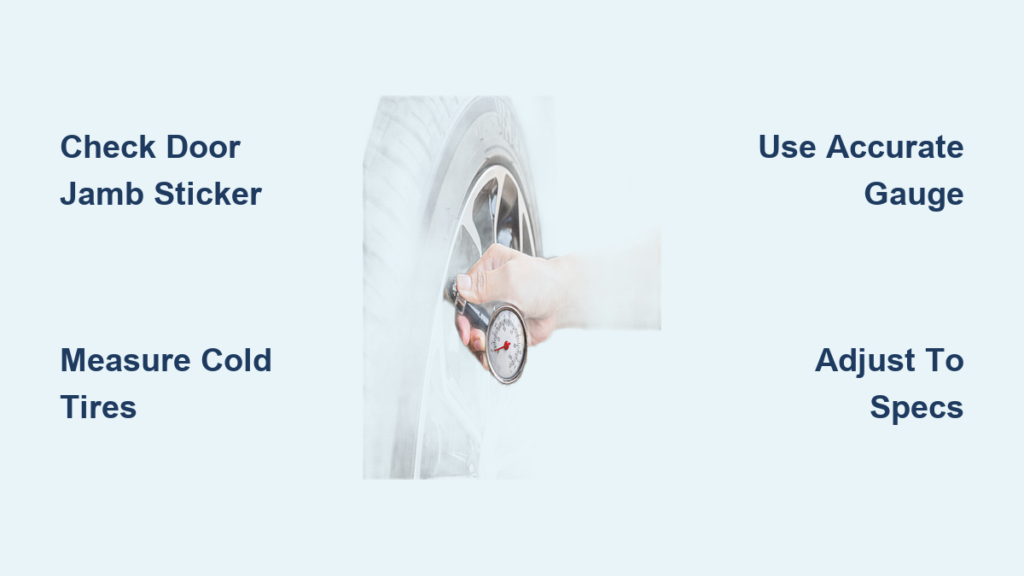
Digital gauges provide the most accurate readings (±1 PSI) with backlit displays for nighttime use but require battery replacement. Avoid $2 stick gauges from discount stores—their spring mechanisms drift over time, giving false lows. Dial gauges offer mechanical reliability (±1.5 PSI) but are sensitive to impacts. Calibrate your gauge monthly by testing it against a known-accurate unit at a tire shop. Always screw gauges onto the valve stem fully—partial connections leak air and show 5-8 PSI lower than actual.
Step-by-Step Pressure Measurement Process
- Remove valve cap and press gauge firmly onto stem (you’ll hear a brief hiss)
- Hold straight for 3 seconds—angled contact causes air leakage
- Read digital display or dial needle position
- Compare to your door jamb sticker specification
- Replace valve cap immediately to prevent slow leaks
Troubleshooting Gauge Discrepancies
If three different gauges show varying readings:
– Check valve cores for debris (use valve core tool to clean)
– Test gauges on a known-inflated spare tire
– Replace valve cores if hissing persists after tightening
– Digital gauges failing in cold weather need battery replacement
Adjust Air Levels to Exact Specifications
When adding air at gas stations, use short 2-second bursts followed by rechecking—compressors overinflate rapidly. If pressure exceeds specs, press the gauge’s center pin to release small amounts. For 1/2 ton trucks carrying cargo, increase rear pressure by 4-6 PSI above sticker value (check manual for max load specs). Never exceed the “MAX LOAD” PSI on the tire sidewall. After adjustments, drive 1 mile then recheck—valve stem seating can cause minor pressure shifts.
Correcting Seasonal Pressure Drift
During winter temperature drops:
– Add 1 PSI for every 10°F below 70°F ambient temperature
– Focus on front tires first—they bear engine weight
– Recheck after 24 hours as tires acclimate
In summer heat waves:
– Release air only if 5+ PSI above cold spec
– Prioritize rear tires on FWD vehicles
– Avoid “topping off” during afternoon heat
Avoid These Tire Pressure Killer Mistakes
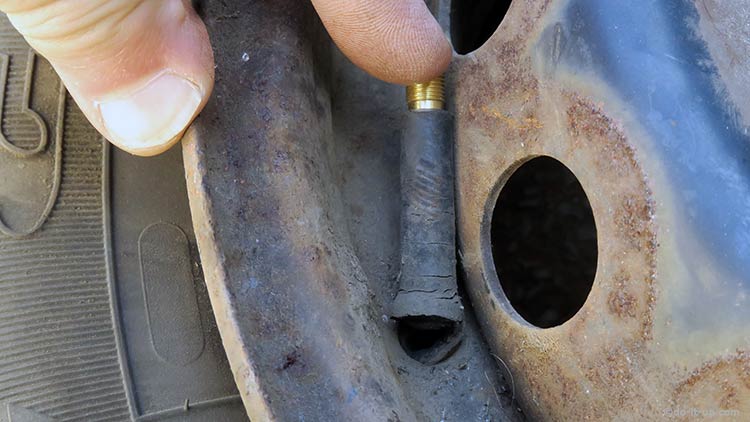
Mistake #1: Assuming all four tires need identical PSI. Most vehicles specify different front/rear pressures—mismatched settings cause handling imbalances. Mistake #2: Ignoring spare tire pressure. Your compact spare requires 60 PSI—check it quarterly since slow leaks go unnoticed. Mistake #3: Using TPMS alerts as your only indicator. Modern systems only warn at 25% underinflation—you’re already damaging tires at 15% loss. Mistake #4: Overlooking valve stem integrity. Cracked rubber stems cause 35% of slow leaks—replace them every 5 years.
Monthly Maintenance Checklist
- Check pressure with calibrated gauge every 7-10 days
- Inspect valve stems for cracks or corrosion
- Clean debris from tread grooves (prevents uneven wear)
- Rotate tires per manufacturer schedule
- Verify TPMS sensor battery life (typically 5-10 years)
Final Note: Proper tire inflation isn’t just about PSI numbers—it’s your first line of defense against blowouts and hydroplaning. By locating your vehicle-specific sticker, checking cold tires monthly, and using precision gauges, you’ll gain 10-15% better fuel economy while doubling tire lifespan. When in doubt, trust the door jamb sticker over everything else—it’s engineered for your exact weight distribution and safety margins. For vehicles without visible placards, your owner’s manual appendix always contains the specifications. Start today: check your tires now, and you’ve already taken the most critical step toward safer, cheaper driving.