Your Audi Q7 handles beautifully when properly maintained, but one often-overlooked factor that dramatically impacts performance is tire pressure. Incorrect inflation can transform your luxury SUV from a smooth, responsive driver into a sluggish, inefficient vehicle with compromised safety. Many Q7 owners rely solely on the TPMS warning light without understanding proper pressure maintenance, potentially shortening tire life by thousands of miles and reducing fuel efficiency by up to 3%. This comprehensive guide shows you exactly how to check and maintain optimal tire pressure on your Audi Q7, including where to find manufacturer specifications, how to interpret warning lights, and seasonal adjustments that keep your vehicle performing at its best. You’ll learn the correct cold pressure settings, avoid common mistakes when checking pressures, and understand why your Q7’s specific requirements differ from other vehicles.
Locate Your Audi Q7’s Exact Pressure Specifications
Don’t guess your Q7’s tire pressure requirements—find the manufacturer’s precise recommendations for your specific model year and configuration. Your vehicle’s ideal pressure settings depend on factors like engine size, trim level, optional air suspension, and tire size, making generic recommendations potentially dangerous.
Check the driver’s side door jamb first for the tire pressure label—this is Audi’s primary location for this critical information. Open the driver’s door fully and examine the vertical edge of the door frame where the latch connects. The sticker displays front and rear pressures in both PSI and bar units, with separate specifications for normal driving versus full load conditions. Some model years show different pressures for 20-inch versus 21-inch wheel options, so verify your exact tire size matches the specifications.
If the door jamb sticker is missing or damaged, check alternative locations including the inside of the fuel filler door or glove compartment. The fuel door location is particularly common on newer Q7 models (2018+), while earlier generations often placed it inside the glove box. When examining these labels, note that Audi typically specifies higher rear pressures than front (approximately 3-4 PSI difference) to compensate for weight distribution in this rear-biased SUV.
Why Your Q7’s Pressure Requirements Are Unique
Your Q7’s pressure specifications differ from standard passenger cars due to its substantial curb weight (over 4,700 pounds) and sophisticated air suspension system on higher trims. The recommended 35 PSI front and 38 PSI rear pressures (common for 2020 Q7 3.0T models) represent Audi engineers’ precise calculation for optimal contact patch distribution across the tire surface. Deviating more than 3 PSI from these values alters the tire’s footprint, affecting everything from braking distance to cabin noise levels. Pay special attention if your Q7 has the optional adaptive air suspension—these models require strict adherence to specified pressures as the system relies on accurate tire inflation data for proper operation.
Gather the Right Tools for Accurate Pressure Checks

Using improper tools leads to inaccurate readings that defeat the purpose of checking your tire pressure. While gas station air gauges seem convenient, their frequent misuse results in inconsistent measurements that could leave your Q7 dangerously underinflated.
Invest in a digital pressure gauge with at least +/- 1 PSI accuracy—this small investment pays dividends in tire longevity and safety. Look for models with ergonomic grips, backlit displays for nighttime checks, and magnetic bases that attach to your Q7’s body metal while you work. The Slime Pro Digital Gauge or AccuGage Digital Premium models deliver consistent accuracy within your $20-$30 budget range. Pair this with a portable 12V compressor featuring automatic shut-off (like the Viair 88P) that plugs into your Q7’s power outlet for precise inflation without constant monitoring.
Access Your Q7’s Built-in TPMS Readings
Your Audi Q7’s onboard Tire Pressure Monitoring System provides instant pressure readings without manual checks. Press the “CAR” button on your steering wheel, navigate to “Vehicle” settings, then select “Tire Pressure” to view real-time PSI values for all four tires. This digital readout shows pressures to the nearest 0.5 PSI—more precise than most handheld gauges—and detects gradual pressure loss before triggering warning lights. Use this feature monthly as a quick verification method, but remember it requires calibration after any tire service or pressure adjustment.
Follow the Correct Pressure Checking Procedure
Checking pressure seems simple, but incorrect technique yields unreliable results that compromise your Q7’s performance. The most critical factor is checking when tires are cold—meaning the vehicle has sat for at least three hours or been driven less than one mile at moderate speed. Driving heats tires, increasing pressure readings by 4-6 PSI and masking actual underinflation.
Step-by-Step Pressure Verification
- Remove the valve cap and press your digital gauge firmly onto the valve stem at a 90-degree angle
- Hold steady for 2 seconds until you hear air stop flowing, then read the display
- Compare against your door jamb specifications (don’t rely on the tire’s sidewall max pressure)
- If adjusting, add air in 5-second bursts for precise control, rechecking after each addition
- Replace valve caps immediately after checking to prevent moisture ingress
Check all four tires plus the spare (located beneath the cargo floor), as uneven pressures cause handling imbalances. Pay special attention to the rear tires on Quattro models—they typically require 3-4 PSI more than fronts to compensate for torque vectoring dynamics. Never bleed air from overinflated tires while hot; wait until tires cool to ambient temperature for accurate adjustment.
Respond Appropriately to TPMS Warning Lights
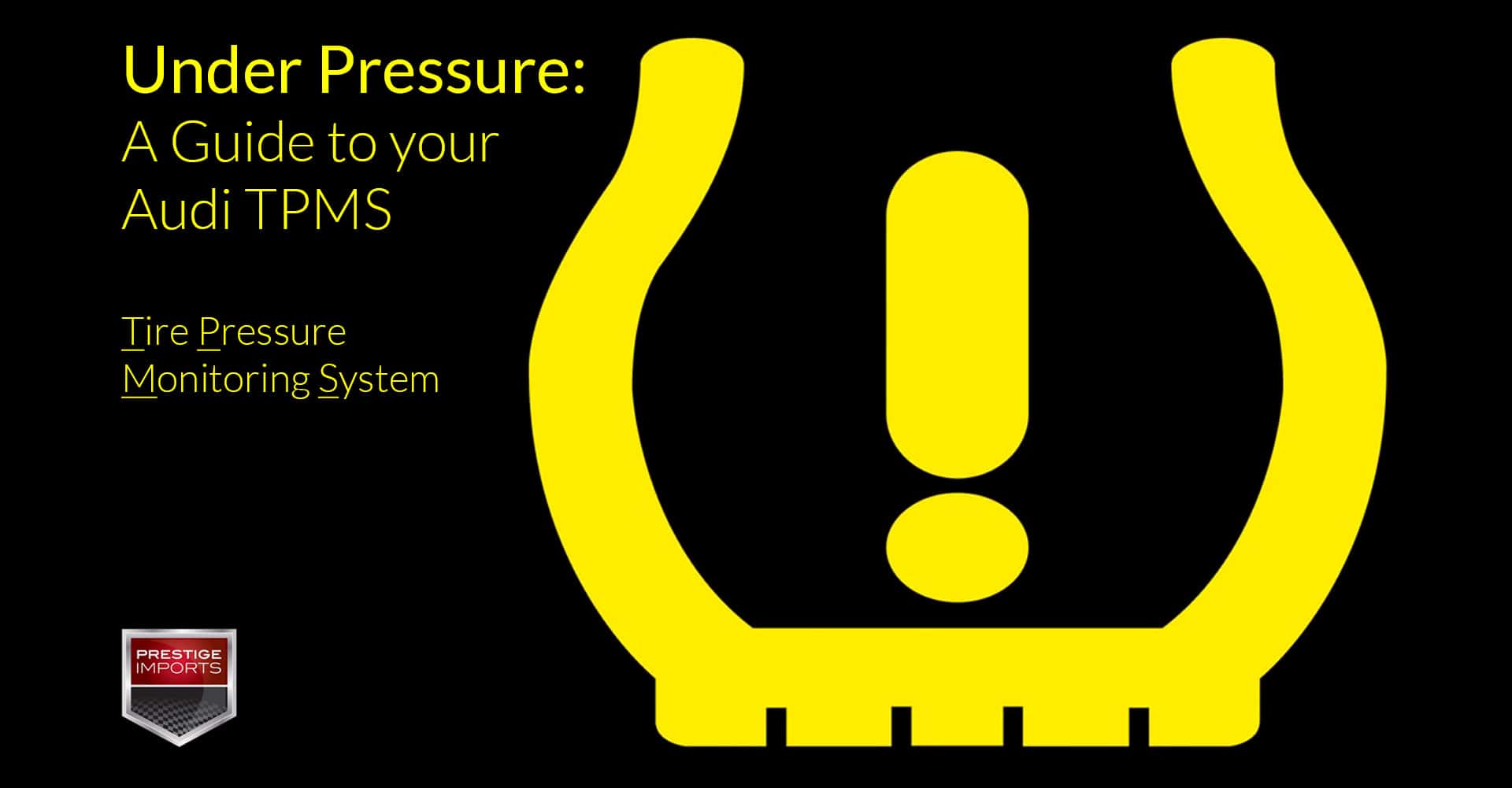
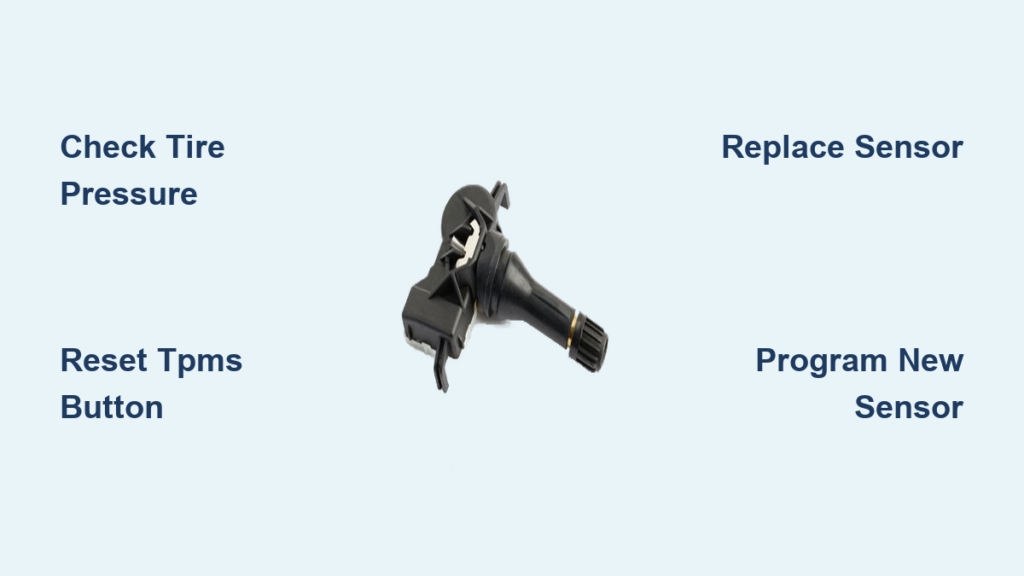
Your Q7’s TPMS warning light requires specific interpretation based on its behavior pattern. A solid yellow exclamation point inside a tire symbol means one or more tires has dropped 25% below specification—this requires immediate attention as it significantly impacts braking performance. A flashing light that stays illuminated for 60-90 seconds before becoming solid indicates a system fault rather than low pressure, often triggered by dead sensor batteries or recent tire rotation without system recalibration.
Resetting the TPMS System After Adjustment
After correcting pressures, reset the system through the MMI: With the vehicle running, press “CAR” > “Configure Vehicle” > “Tires” > “Store Tire Pressures.” Hold the confirmation button for 3 seconds until the system acknowledges storage. Drive above 18 mph for 10 minutes to complete sensor reinitialization. If the light persists after this procedure, have the sensors diagnosed—many Audi dealers offer free TPMS checks during routine service visits.
Adjust for Seasonal Temperature Changes
Temperature fluctuations significantly impact tire pressure—your Q7’s tires lose approximately 1 PSI for every 10°F temperature drop. During winter months, check pressures weekly as morning temperatures plummet, adding air to maintain specifications. Many Q7 owners in cold climates benefit from maintaining pressures 2-3 PSI above standard recommendations during winter, restoring to normal levels when temperatures consistently exceed 50°F.
Altitude Considerations for Mountain Driving
When driving from sea level to mountainous terrain, your Q7’s tire pressure readings will increase approximately 0.5 PSI per 1,000 feet of elevation gain. While this doesn’t require adjustment, be aware that descending to lower elevations after mountain driving may trigger TPMS warnings as pressures decrease. Always check and adjust pressures after significant elevation changes, particularly before long descents where proper inflation affects braking performance.
Diagnose and Address Persistent Pressure Loss

Recurring low pressure in one tire indicates a specific problem requiring attention. Begin diagnosis by applying soapy water to the valve stem—if bubbles form, replace the valve core (a $2 part requiring only a valve core tool). For leaks around the wheel rim, drive the vehicle forward and backward several feet to reseal the tire bead, or have a professional remount the tire if the leak persists.
Professional Intervention Thresholds
Seek professional help when you lose more than 3 PSI per month in any tire, or if you notice bubbles forming along the tire sidewall. The TPMS sensors themselves can develop leaks at the valve stem base, requiring replacement by an Audi specialist with sensor programming capabilities. Never ignore slow leaks—they accelerate tire wear patterns that can’t be corrected through rotation alone.
Maximize Tire Life Through Consistent Maintenance
Your Q7’s sophisticated suspension demands precise tire pressures to maintain even wear patterns. Underinflated tires wear excessively on the outer edges, while overinflated tires wear the center tread prematurely. Check pressures monthly and rotate tires every 5,000 miles using the Audi-recommended front-to-rear pattern (never cross-rotating on staggered setups).
Visual Inspection Protocol
During each pressure check, spend 30 seconds inspecting tires for embedded objects, sidewall damage, and irregular wear patterns. Pay special attention to the inner shoulder of front tires—a common wear point on Q7 models indicating alignment issues. Run your hand across the tread surface to feel for feathering or cupping that might not be visible but indicates suspension problems requiring attention.
Maintaining proper tire pressure on your Audi Q7 delivers tangible benefits you’ll notice immediately: crisper handling, quieter cabin, improved fuel economy, and significantly extended tire life. By following these precise procedures for checking and maintaining your Q7’s tire pressure, you ensure your luxury SUV performs as Audi’s engineers intended while avoiding unnecessary wear and tear. Make pressure checks part of your monthly maintenance routine—just five minutes that protect your investment and keep you safe on the road. When in doubt about specifications or warning lights, consult your Audi dealer’s service department where technicians have access to model-specific TPMS tools and the latest technical service bulletins for your exact Q7 configuration.