Nothing compromises your Audi Q3’s performance, safety, and efficiency faster than improper tire pressure. When your tires aren’t inflated to the precise specifications engineered for your vehicle, you’re risking uneven wear, reduced fuel economy, and compromised handling—especially critical in a performance-oriented compact SUV like the Q3. The good news is that learning how to check tire pressure on your Audi Q3 takes just minutes but delivers significant benefits for your driving experience and wallet. This comprehensive guide walks you through every step, from interpreting dashboard warnings to maintaining optimal pressure through changing seasons, ensuring you stay in control of your vehicle’s fundamental safety system.
Locate Your Q3’s Exact Pressure Requirements
Your Audi Q3’s tire pressure specifications aren’t guesswork—they’re precise engineering parameters that directly affect your vehicle’s performance characteristics. Finding these numbers correctly prevents costly mistakes that could damage your tires or compromise safety.
The definitive source for your Q3’s pressure specifications sits on a sticker inside the driver-side door jamb, visible when you open the driver’s door. This sticker displays cold tire pressure values specific to your exact Q3 model year, trim level, and tire size—typically ranging from 32 to 36 PSI depending on configuration. These figures represent the pressure you must maintain when tires are cold, before driving generates heat that artificially increases readings by 3-5 PSI. If this sticker is missing or damaged, your owner’s manual contains the same information in the tire maintenance section, usually around page 300.
Why does this precision matter? Underinflated tires on your Q3 create excessive sidewall flexing during cornering and braking, accelerating wear on the outer edges while reducing grip and increasing stopping distances. Overinflated tires minimize the contact patch with the road, compromising Audi’s renowned Quattro traction system and making your Q3 more susceptible to vibration and damage from road imperfections. The specifications on your door jamb represent Audi’s engineering optimization for your specific vehicle weight, suspension tuning, and tire dimensions—deviating significantly from these values undermines the careful balance Audi engineers achieved.
Decode Your Q3’s TPMS Warning Light Behavior
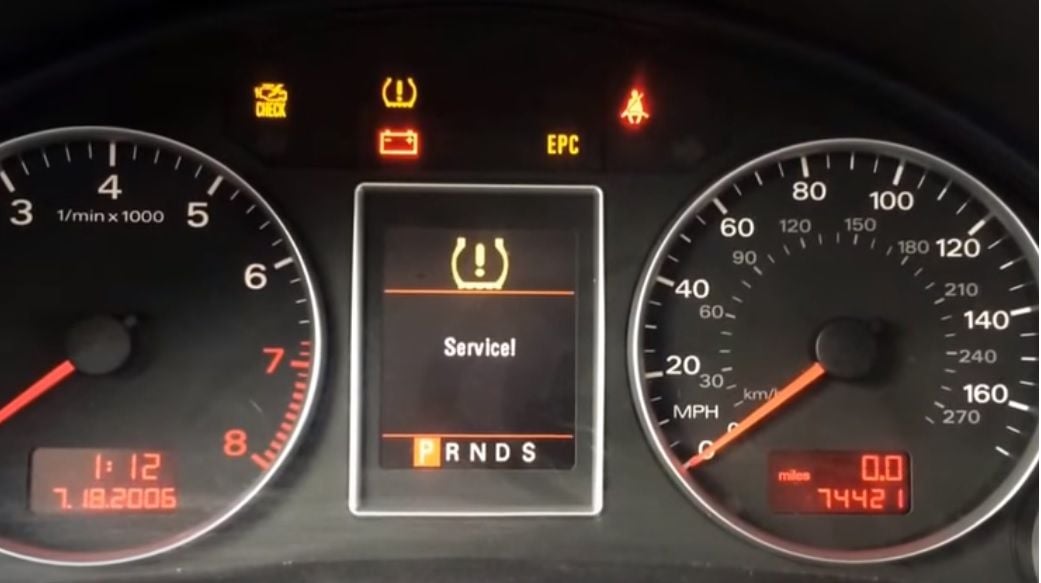
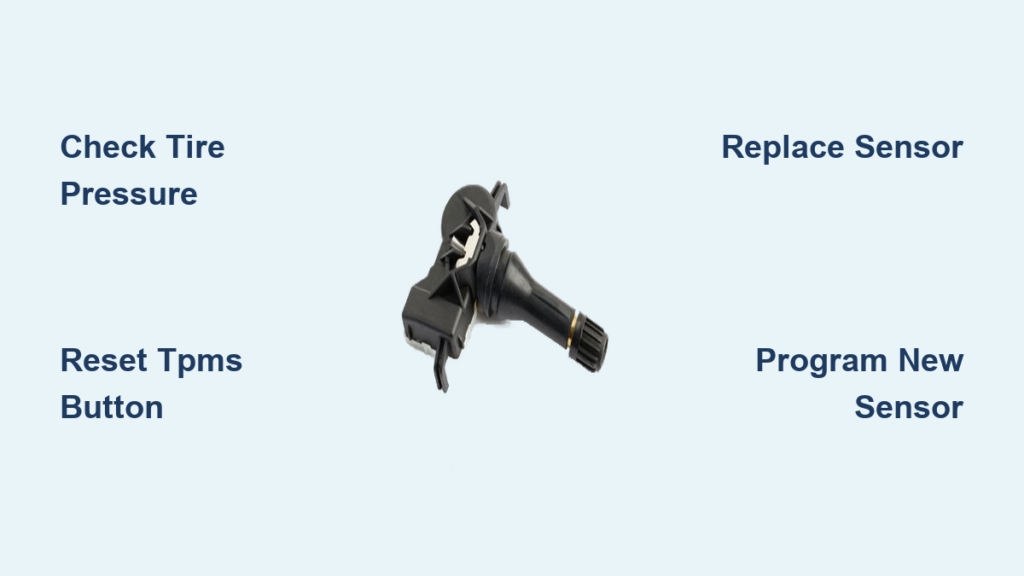
Your Audi Q3’s Tire Pressure Monitoring System (TPMS) communicates critical information through specific light patterns on your instrument cluster—understanding these signals prevents both unnecessary panic and dangerous complacency.
The TPMS warning light appears as a yellow symbol resembling a tire cross-section with an exclamation mark inside. When this light glows steadily after startup, your Q3 has detected one or more tires with pressure 25% or more below specification—immediate action is required. This steady illumination means your tire has lost approximately 8-10 PSI from its recommended level, creating unsafe driving conditions that accelerate tire wear and compromise handling. A flashing TPMS light that remains illuminated after driving indicates a system malfunction rather than a simple pressure issue, requiring professional diagnosis.
Don’t confuse normal system behavior with actual warnings: when starting your cold Q3, the TPMS light typically flashes for 1-2 seconds during the self-test sequence before extinguishing—this is normal operation. However, if the light stays illuminated after this initial flash or begins flashing irregularly while driving, your system has detected a genuine problem. Winter drivers should note that temperature drops of 10°F can reduce tire pressure by 1-2 PSI, potentially triggering warnings during cold snaps even with no actual leak—this is why checking actual pressure with a gauge beats relying solely on the TPMS.
Execute Precise Pressure Measurements
Accurate tire pressure readings on your Audi Q3 require proper tools and technique—guessing or using unreliable methods leads to improper inflation that undermines your vehicle’s performance.
Gather Essential Tools Before Starting
You’ll need a quality pressure gauge (digital models offer ±0.5 PSI accuracy versus ±2 PSI for analog), valve stem caps, and access to an air compressor. Professional technicians recommend digital gauges for Audi owners because the Q3’s precise pressure requirements (typically 33-35 PSI) demand accuracy within 1 PSI to maintain optimal performance. Avoid relying solely on gas station air gauges, which often lack calibration and may give inconsistent readings.
Follow Correct Measurement Protocol
Measure pressure when tires are cold—either before driving or after 3+ hours parked—by removing the valve cap, pressing the gauge firmly onto the valve stem, and reading the measurement. Record each tire’s pressure (front left, front right, rear left, rear right) and compare against your door jamb specifications. If your Q3 has a space-saver spare (located beneath the cargo floor), check its pressure (typically 60 PSI) during this routine. Repeat measurements twice to confirm accuracy, as inconsistent readings may indicate a slow leak or faulty valve.
Inflate to Audi’s Exact Specifications

Adding air to your Q3’s tires requires precision—Audi’s engineering tolerances demand accuracy within 1-2 PSI of the recommended value for optimal performance.
Achieve Perfect Inflation in Three Steps
- Add air in 10-second bursts using the compressor, then recheck pressure with your gauge
- Continue adding small increments until you reach 1-2 PSI above target (tires lose minimal air during measurement)
- Bleed excess air if needed by pressing the valve core pin with your gauge’s built-in tool
Overinflating requires releasing air, which wastes time and creates unnecessary pressure fluctuations. For the Audi Q3’s recommended 34 PSI, aim for 33-35 PSI range—exceeding 36 PSI noticeably impacts ride comfort and tire wear patterns. Always replace valve caps after inflation to prevent moisture and debris from contaminating the valve mechanism, which causes slow leaks over time.
Reset the TPMS After Correcting Pressure
Your Q3’s TPMS automatically resets after confirming proper pressure during normal driving—no manual reset button is needed on most models.
Drive for 10-15 minutes at speeds above 20 mph after inflation to allow the wheel sensors to transmit updated data to the central module. During this driving period, the system verifies all tires maintain pressure within acceptable limits before extinguishing the warning light. If the light persists after 30 minutes of driving despite confirmed correct pressure, a sensor may require replacement or recalibration—common after tire rotations or seasonal tire changes.
Troubleshoot Persistent TPMS Warnings

When the TPMS light stays illuminated despite proper inflation, these three issues most commonly affect Audi Q3 owners:
Failed Sensor Battery
Each wheel contains a sensor with a non-replaceable battery lasting 5-10 years. When these batteries deplete, sensors stop transmitting data, triggering persistent warnings. Replacement costs $80-$120 per sensor at authorized dealers.
Slow Tire Leak
A nail or valve stem issue may cause gradual pressure loss (2-3 PSI per week) that stays below the TPMS threshold until it suddenly triggers. Submerge suspected areas in soapy water to identify bubbles indicating leaks.
Temperature-Induced Fluctuations
During extreme temperature swings (common in mountainous regions), pressure can drop significantly overnight then normalize during the day. Check pressure weekly during seasonal transitions and adjust as needed.
Establish a Q3-Specific Maintenance Routine
Maximize your Audi Q3’s tire performance with these model-specific practices:
Check pressure every Sunday morning before driving—this “cold tire” routine catches gradual pressure loss from temperature changes and normal permeation. During winter, check pressure weekly as cold temperatures reduce pressure by 1 PSI per 10°F drop. Before highway trips, verify pressure when tires are cold and inflate to the higher end of the recommended range (e.g., 35 PSI instead of 34) to compensate for heat buildup during sustained high-speed driving.
Rotate your Q3’s tires every 5,000 miles per Audi’s maintenance schedule to promote even Quattro-specific wear patterns. When replacing tires, ensure new ones match the exact size and load rating specified for your model year—using incorrect tires disrupts TPMS calibration and affects handling dynamics.
Recognize What Your TPMS Can’t Detect
Your Q3’s TPMS monitors only pressure—not critical factors like tread depth, sidewall damage, or alignment issues. Complement TPMS alerts with monthly visual inspections:
- Check tread depth using the penny test (insert penny head-first into tread; if Lincoln’s head is visible, replace tires)
- Inspect sidewalls for cuts, bulges, or embedded debris
- Look for uneven wear patterns indicating alignment problems
Remember that TPMS only alerts when pressure drops 25% below spec—your tires could be 15% underinflated without triggering the light, reducing fuel economy by up to 3%. Monthly manual checks catch these moderate deviations before they impact performance.
Proper tire pressure maintenance represents one of the simplest yet most impactful maintenance tasks for your Audi Q3. By following these precise procedures for checking and maintaining pressure, you’ll enjoy improved fuel economy, extended tire life, and the confident handling Audi engineered into your vehicle. Establish a consistent monthly checking routine, respond promptly to TPMS warnings with accurate measurements, and never assume the system detects all potential tire issues. When in doubt about persistent warnings or unusual tire behavior, schedule service with your authorized Audi dealer—they possess the specialized diagnostic equipment needed to maintain your Q3’s sophisticated tire monitoring system at peak performance.