Maintaining proper tire pressure on your Audi A4 isn’t just routine maintenance—it’s critical for your vehicle’s performance, safety, and longevity. When your tires are correctly inflated, you’ll experience sharper handling, better fuel efficiency, and more even tire wear that extends their lifespan by thousands of miles. Yet many Audi owners either skip this simple task or do it incorrectly, compromising their driving experience without realizing it. Incorrect tire pressure accounts for 12% of premature tire replacements in luxury vehicles like the A4, representing hundreds of dollars in unnecessary costs over the vehicle’s lifetime.
Checking your Audi A4’s tire pressure takes less than five minutes once you know where to find the specifications and have the right tools. This comprehensive guide walks you through the exact process Audi technicians use, including where to find your model-specific pressure requirements, how to get accurate readings, and when to make seasonal adjustments. You’ll learn to interpret your TPMS warnings correctly and avoid common mistakes that lead to inaccurate pressure readings. By following these steps, you’ll ensure your Audi A4 performs at its best while keeping you and your passengers safe on every journey.
Locate Your Audi A4’s Exact Tire Pressure Specifications
Your Audi A4’s door jamb sticker holds the key to proper tire maintenance. Open the driver’s side door and examine the edge of the door frame—there you’ll find a white or black sticker with precise pressure recommendations for your specific model year, trim level, and tire package. This sticker provides front and rear tire pressure values in both PSI and BAR units, typically ranging from 32-36 PSI for front tires and 32-38 PSI for rear tires, though these values vary based on your wheel size and trim package.
Never rely on the pressure number molded into your tire’s sidewall—that’s the maximum pressure the tire can safely handle, not your Audi’s recommended operating pressure. For example, if your door jamb sticker specifies 35 PSI front and 33 PSI rear, but your tire sidewall shows “MAX PRESS 51 PSI,” you should always follow the door jamb recommendation. Using the maximum pressure would create a harsh ride, uneven tire wear, and compromised handling characteristics specific to your A4’s suspension tuning.
Why Your Audi A4’s Specifications Differ From Other Vehicles
Audi engineers fine-tune tire pressure recommendations based on your specific A4 model’s weight distribution, suspension geometry, and performance characteristics. A sport-focused S line trim with adaptive suspension requires different pressure than a base A4 Quattro. If you’ve upgraded to larger wheels, the pressure specifications change accordingly—19-inch performance tires typically require 2-3 PSI more than standard 17-inch wheels to maintain proper contact patch and handling balance.
What to Do When the Door Jamb Sticker Is Missing
If your door jamb sticker has deteriorated or been removed, consult your owner’s manual’s technical specifications section. For most 2017-2023 A4 models, the standard recommendation is 35 PSI front and 33 PSI rear for normal driving conditions. However, this varies significantly for:
– A4 Allroad models (typically 3 PSI higher)
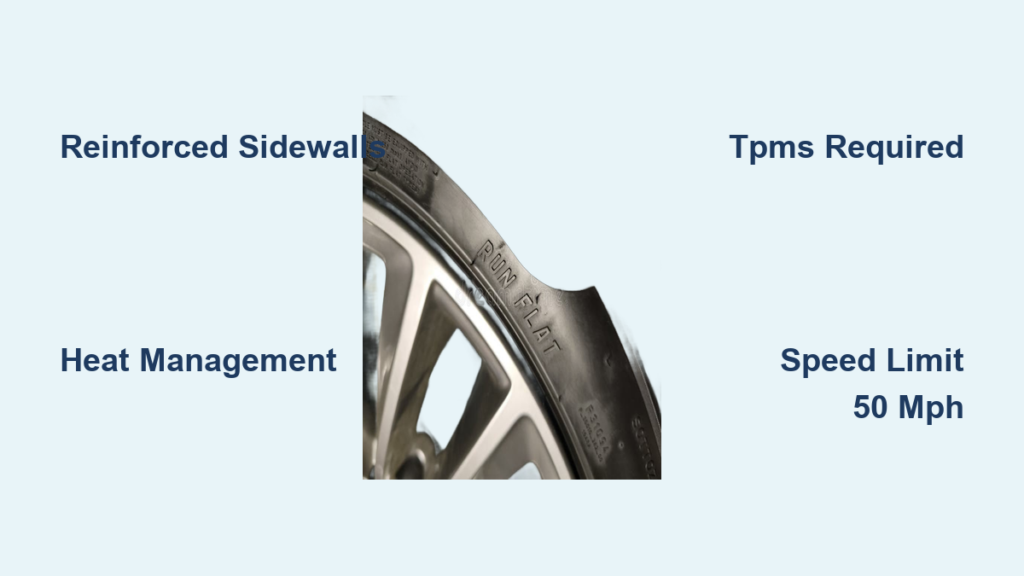
– Vehicles equipped with run-flat tires (usually 3-5 PSI more)
– Performance packages with summer tires (may require 36-38 PSI)
Access and Inspect Your Tire Valve Stems Properly

Before checking pressure, locate your Audi A4’s valve stems—small rubber protrusions on each wheel rim. Remove the valve cap by turning it counterclockwise with your thumb and forefinger. Place caps in your cup holder or another secure location; these tiny components are easily lost and serve the critical function of keeping dirt out of the valve mechanism.
What to Look for During Valve Stem Inspection
Examine each valve stem for these warning signs before attaching your gauge:
– Cracks or dry rot in the rubber stem body
– Corrosion around the base where it meets the wheel
– Bent stems that prevent proper gauge seating
– Missing or damaged cores causing slow leaks
Valve stem issues cause 30% of chronic slow leaks in Audi vehicles. If you notice any damage, replace the entire valve stem assembly—this inexpensive fix (typically $10-15 per stem) prevents ongoing pressure loss that mimics more serious tire damage.
Select and Use the Right Pressure Gauge for Accurate Readings
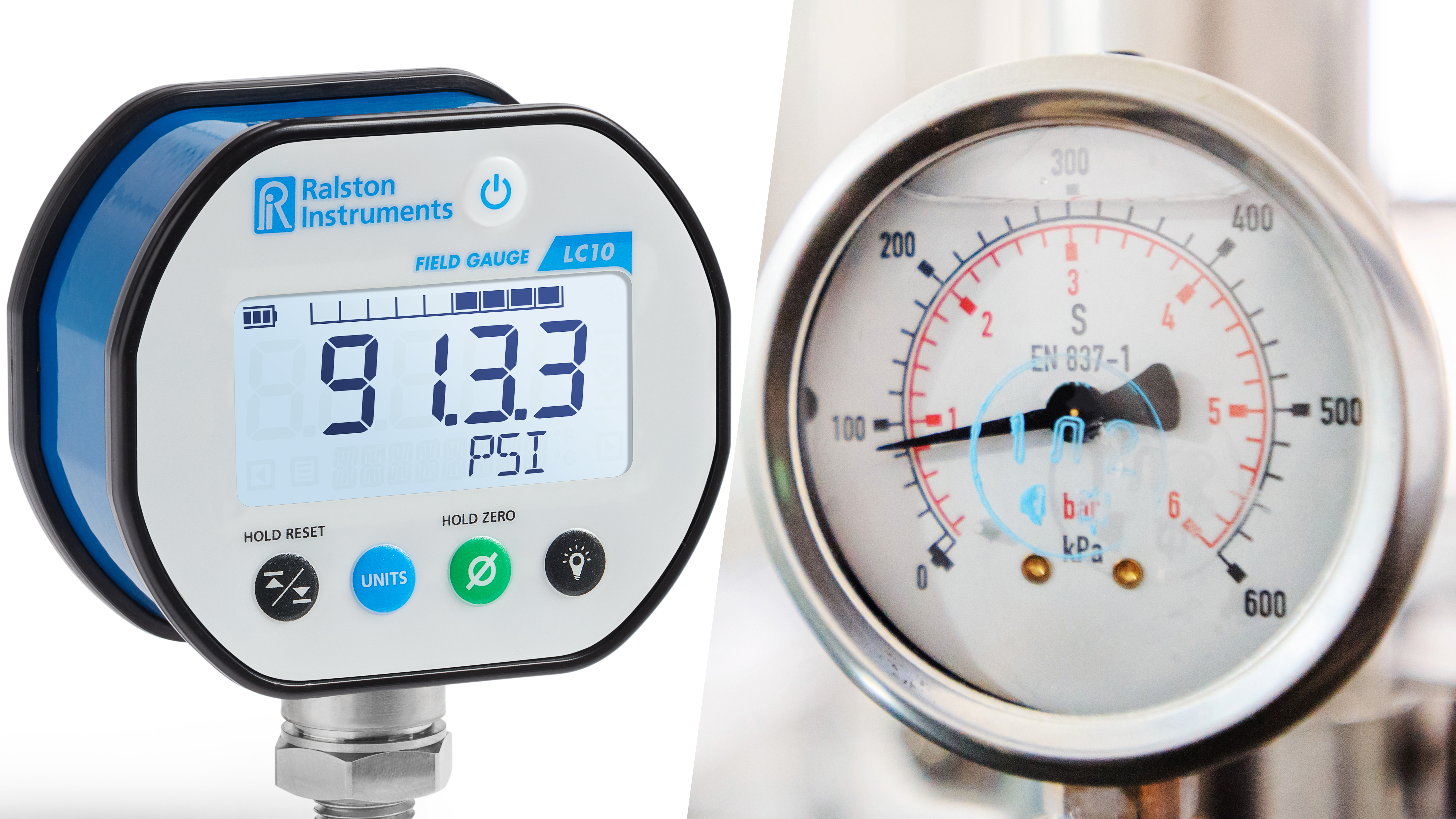
For precise measurements on your Audi A4, choose a digital tire pressure gauge with ±1% accuracy. While analog gauges work, digital models eliminate parallax errors and provide instant readings even in low-light conditions. Avoid cheap pencil-style gauges—they’re notoriously inaccurate, often varying by ±5 PSI, which could mean the difference between safe handling and compromised braking performance in your precision-tuned A4.
Proper Gauge Technique for Audi Wheels
Press the gauge firmly onto the valve stem at a 90-degree angle until you hear a brief hiss. Hold steady for 2 seconds to get an accurate reading, then remove straight off without twisting. Check all four tires before making adjustments—this reveals patterns that indicate specific issues:
– One low tire: Potential puncture or valve leak
– Both front tires low: Common temperature-related loss
– All tires low: Seasonal temperature drop or slow leaks
If readings vary by more than 2 PSI between tires, investigate before adding air—this discrepancy could indicate a developing problem rather than simple underinflation.
Adjust Pressure to Specifications with Precision
When adding air to your Audi A4 tires, use short 3-5 second bursts followed by re-checking. Modern Audi TPMS systems are sensitive to pressure changes, and overinflation by even 3 PSI can trigger warning lights or create uneven tread wear. The ideal adjustment technique:
1. Inflate in 2 PSI increments
2. Wait 10 seconds for pressure stabilization
3. Re-check with your gauge
4. Repeat until reaching target pressure
When to Use a Portable Air Compressor
Gas station air compressors often deliver inconsistent pressure and lack precision gauges. For reliable home maintenance, invest in a quality portable compressor like the Audew K68 or VIAIR 88P. These models feature built-in gauges accurate to ±1 PSI and shut off automatically at your selected pressure, eliminating guesswork. Set your compressor to 3 PSI below target, then finish with precise manual adjustments using your handheld gauge.
Reset Your Audi A4’s TPMS System After Adjustments

After correcting tire pressure, reset your Tire Pressure Monitoring System through the MMI interface:
1. Turn ignition to position 2 (accessory mode)
2. Navigate to Car > Vehicle Settings > Tire Pressure Monitor
3. Select “Store Tire Pressures” and confirm
4. Drive 10-15 minutes for system calibration
If your TPMS light flashes for 90 seconds then stays solid, this indicates a sensor malfunction requiring professional diagnosis. Never ignore this pattern—faulty TPMS sensors can cause false warnings or fail to alert you to actual low pressure.
Adjust Pressure for Seasonal and Load Conditions
Winter Tire Pressure Strategy
During cold months, maintain pressure at the upper end of your recommended range (e.g., 35 PSI instead of 33 PSI). For every 10°F temperature drop, tire pressure decreases by 1 PSI. Winter’s 30-40°F temperature swings can cause 3-4 PSI fluctuations—enough to trigger TPMS warnings despite proper inflation.
Heavy Load Adjustments
When carrying passengers or cargo exceeding 400 pounds, increase rear tire pressure by 3 PSI. For example, if your normal rear pressure is 33 PSI, set it to 36 PSI when fully loaded. This prevents excessive sidewall flex that could damage your performance tires during spirited driving.
Monthly Maintenance Routine for Optimal Performance
Establish a simple monthly ritual:
1. Check pressure first thing in the morning (cold tires)
2. Record readings in your maintenance log
3. Inspect tread for uneven wear patterns
4. Verify valve caps are securely installed
Set a recurring calendar reminder for the first Sunday of each month—this consistent schedule catches pressure loss before it reaches critical levels. Properly maintained tires on your Audi A4 should lose no more than 1 PSI per month through normal permeation.
Troubleshoot Persistent Pressure Loss Issues
If one tire consistently loses pressure despite proper inflation:
– Check for valve stem leaks with soapy water solution
– Inspect wheel rims for curb damage causing bead leaks
– Examine tire tread for embedded nails or glass shards
– Look for slow leaks at the tire/wheel interface
Persistent pressure loss in multiple tires often indicates temperature-related changes rather than actual leaks. Monitor pressure over several days—if loss stabilizes after temperature adjustment, no repair is needed.
Final Tips for Audi A4 Tire Pressure Excellence
Your Audi A4’s precise engineering demands equally precise tire maintenance. Always check pressure when tires are cold, reset TPMS after adjustments, and maintain pressure within 1 PSI of specifications. Properly inflated tires deliver the responsive handling Audi is known for while adding up to 3% to your fuel economy—saving you approximately $100 annually at current gas prices.
Make tire pressure checks part of your pre-trip routine, especially before highway journeys. This five-minute habit prevents 90% of premature tire failures in Audi vehicles and ensures your A4 performs as engineered—delivering the luxury driving experience you paid for while keeping you safe mile after mile.