You’ve just discovered a flat tire on your Audi, and now you need to get your spare properly inflated. This frustrating situation happens to drivers everywhere – you pop the trunk expecting to find a full-size spare only to realize Audi typically equips most models with a compact temporary spare tire or tire repair kit instead. Knowing exactly how to inflate your Audi’s spare tire correctly is critical for safety and preventing further damage to your vehicle. Without the right pressure, you risk poor handling, reduced stability, and potential tire failure during your short drive to a service center. This guide provides the specific steps you need to properly inflate your Audi spare tire based on actual manufacturer specifications and procedures.
Locating Your Audi’s Spare Tire or Repair Solution
Unlike many conventional vehicles, most modern Audi models don’t carry a full-size spare tire. Before attempting inflation, you must first determine what emergency solution your specific Audi provides.
Compact Temporary Spare Tires (Donut Spares)
Many Audi models including A4, A5, Q5, and Q7 come equipped with a compact temporary spare tire stored beneath the trunk floor or in a dedicated compartment. These small donut-shaped spares are designed for temporary use only. To access yours, remove the trunk floor mat and look for a circular cover or storage well. Some models require you to unscrew retaining bolts before lifting the spare from its housing. You’ll immediately notice these spares are significantly smaller than your regular tires with distinctive yellow sidewalls marking them as temporary use only.
Tire Mobility Kits Instead of Spares
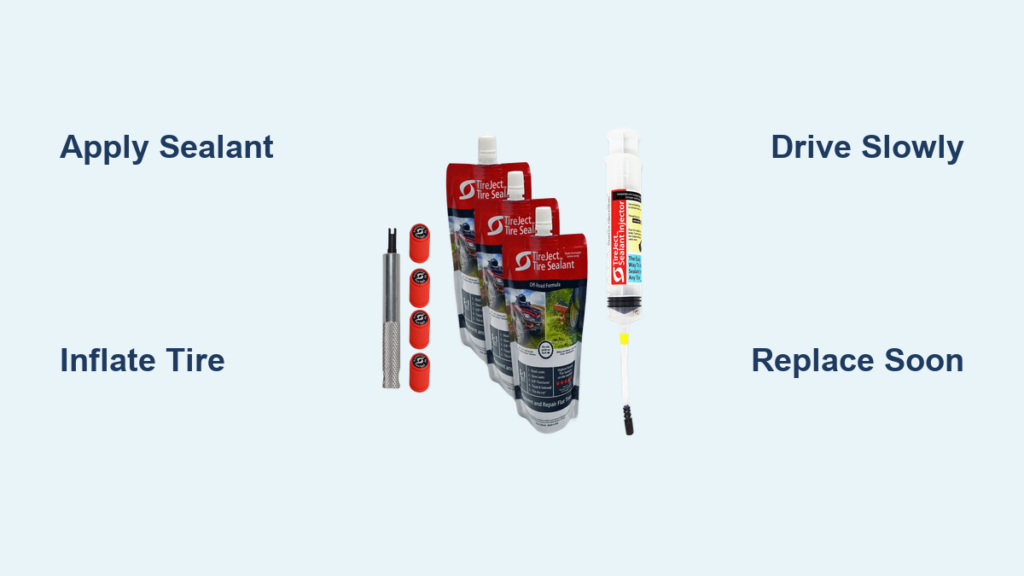
Newer Audi models (2018 and later) often replace physical spares with tire mobility kits containing a sealant canister and 12-volt air compressor. Check your trunk for a bright yellow or black kit housing near the jack tools. These kits allow you to temporarily seal small punctures and reinflate your damaged tire for limited driving. The compressor connects directly to your cigarette lighter/power outlet and has a built-in pressure gauge to monitor inflation levels during use.
Run-Flat Tires on Performance Models
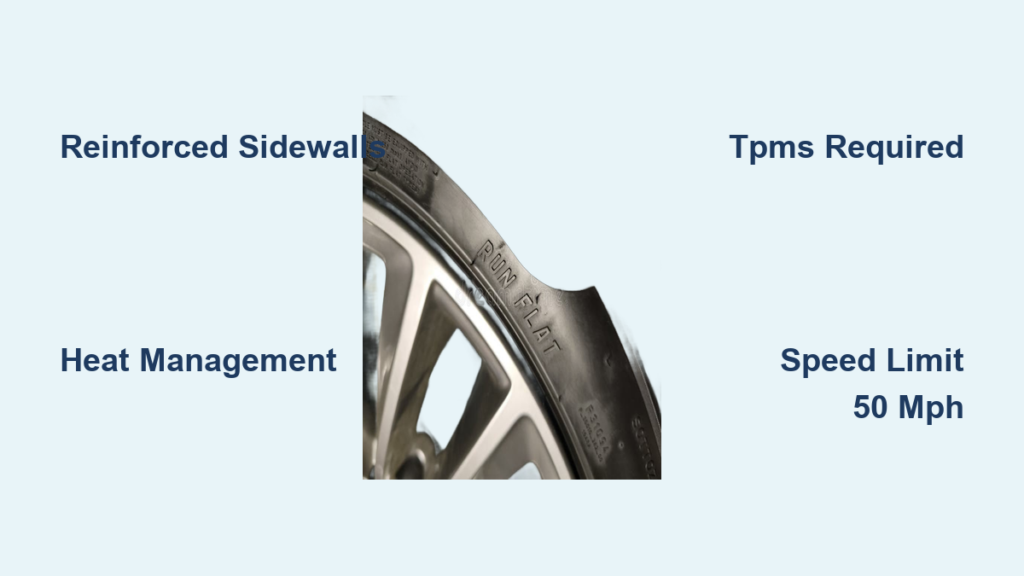
Certain Audi performance models like S and RS variants come equipped with run-flat tires that allow continued driving for limited distances after a puncture. These tires have reinforced sidewalls that maintain shape even when deflated. While you won’t need to inflate a separate spare with these, you should still monitor tire pressure and drive cautiously to the nearest service center.
Correct Inflation Pressure for Audi Spare Solutions
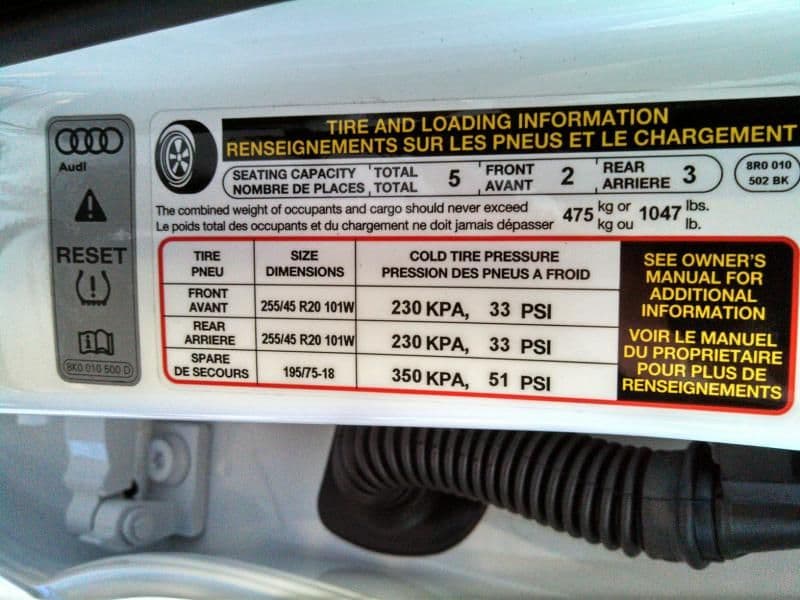
Using the proper inflation pressure for your Audi’s emergency tire solution is absolutely critical for safe operation. Incorrect pressure can lead to dangerous handling issues or complete tire failure.
Compact Spare Tire Pressure Requirements
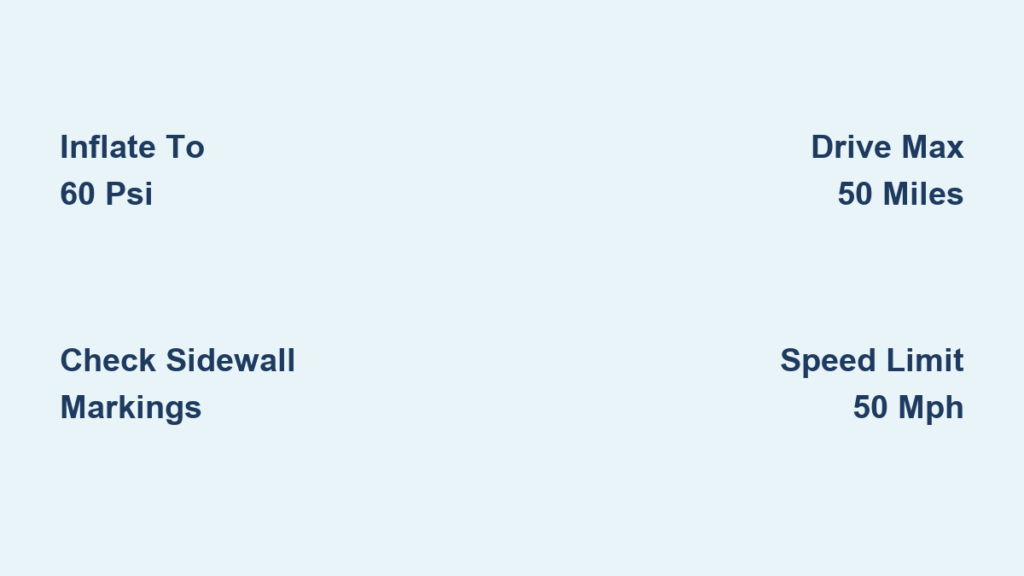
Your Audi’s compact temporary spare requires significantly higher pressure than standard tires – typically 60 PSI. This specific pressure is permanently molded into the sidewall of the spare tire itself. Never assume the pressure – always check the sidewall markings which will state “Inflate to 60 PSI” or similar wording. Driving with less than 60 PSI in your compact spare creates excessive heat buildup that can cause the tire to fail.
Tire Mobility Kit Inflation Process
When using a tire mobility kit on a punctured standard tire, inflate to the pressure specified in your vehicle’s door jamb sticker (usually 35-42 PSI for most Audi models). The kit’s compressor automatically stops when reaching the target pressure. Never exceed the manufacturer’s recommended pressure as overinflation can damage the temporary seal created by the sealant.
Step-by-Step Inflation Procedure for Compact Spares
Accessing and Preparing Your Compact Spare
Before inflation, ensure you’ve properly retrieved your compact spare from storage. Most Audi models require you to:
- Open the trunk and remove all cargo
- Lift the trunk floor mat to expose the spare tire well
- Remove any retaining hardware (typically one central bolt)
- Lift the compact spare from its storage location
- Inspect the spare for damage, cracks, or signs of aging
Important: Compact spares have a limited service life of approximately 8 years regardless of use. Check the manufacturing date on the tire sidewall (four-digit code indicating week/year).
Inflating Your Compact Temporary Spare
- Position your portable air compressor near the spare tire with power source accessible
- Remove the valve stem cap from the compact spare
- Connect the air compressor hose securely to the valve stem
- Set your compressor to deliver 60 PSI (the required pressure molded on the tire)
- Inflate the tire while periodically checking pressure with a reliable gauge
- Stop inflation immediately when reaching exactly 60 PSI
- Replace the valve stem cap securely
Pro Tip: Always carry a digital tire pressure gauge in your trunk. Gas station gauges are often inaccurate, and precise pressure is critical for compact spares.
Critical Safety Limitations After Inflation
Maximum Driving Distance and Speed
After properly inflating your compact spare to 60 PSI, you must adhere to strict driving limitations:
- Maximum speed: 50 mph (80 km/h)
- Maximum distance: 50 miles (80 km)
- Avoid sudden maneuvers, hard braking, or aggressive acceleration
- Do not drive on highways or high-speed roads if possible
Exceeding these limitations puts you at serious risk – compact spares lack the structural integrity of standard tires and can fail catastrophically when pushed beyond specifications.
Tire Pressure Monitoring System (TPMS) Considerations
Your Audi’s TPMS will display a warning after installing the compact spare since it operates at different pressure than standard tires. This is normal and doesn’t indicate a problem with your inflation. However, once you’ve replaced the compact spare with a standard tire, you’ll need to reset the TPMS system through your MMI display.
Troubleshooting Common Inflation Issues

Compact Spare Won’t Hold Pressure
If your compact spare loses pressure after inflation:
- Check valve stem for debris or damage
- Inspect tire for punctures (compact spares can develop slow leaks)
- Ensure valve stem core is tight (use a valve core tool)
- If leaking persists, do not drive on the spare – call roadside assistance
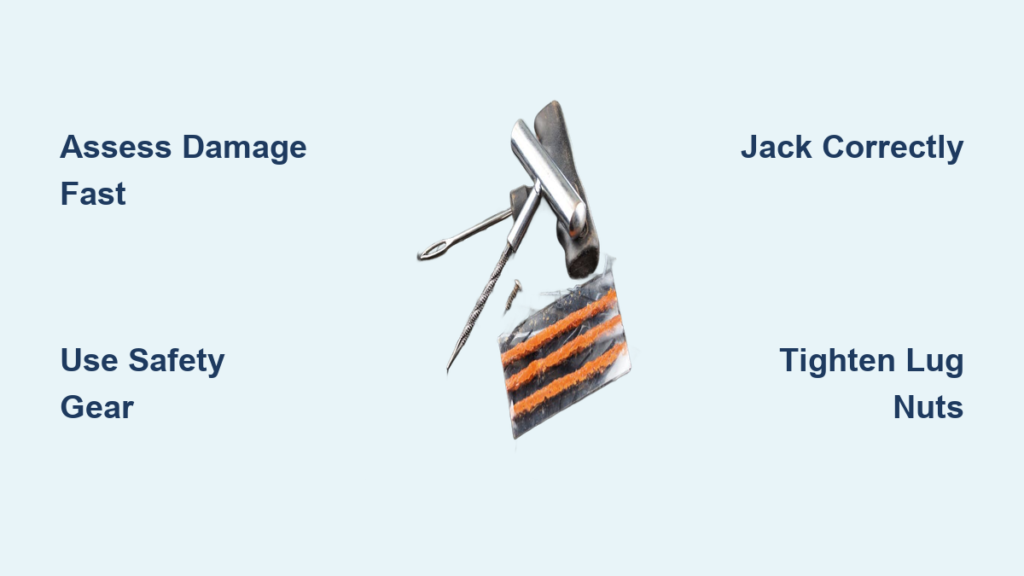
Warning: Never attempt to repair a compact temporary spare tire. These are designed for single-use emergency situations only.
Mobility Kit Sealant Not Working
If your tire mobility kit fails to seal the puncture:
- Check that you’ve properly shaken the sealant canister before use
- Ensure you’ve driven the required distance (usually 1-2 miles) after application
- Verify the puncture isn’t too large (mobility kits only work on small tread punctures)
- If unsuccessful, contact Audi roadside assistance immediately
Essential Tools to Keep in Your Audi

For proper spare tire inflation emergencies, maintain these critical items in your trunk:
- Portable digital tire pressure gauge (calibrated regularly)
- Compact 12-volt air compressor (with pressure settings)
- Valve stem tool and extra valve cores
- Tire tread depth gauge
- Flashlight for nighttime emergencies
- Work gloves and reflective vest
Expert Note: Test your air compressor every six months to ensure it functions properly when needed. A dead compressor renders your inflation capabilities useless during an actual emergency.
Preventative Maintenance for Spare Solutions
Compact Spare Tire Care
- Check spare pressure monthly (compact spares lose pressure faster than standard tires)
- Inspect for cracks or dry rot every three months
- Replace after 8 years regardless of condition
- Never use on front wheels of all-wheel drive Audis
Tire Mobility Kit Maintenance
- Replace sealant canister per manufacturer schedule (typically every 3-5 years)
- Check compressor functionality during routine oil changes
- Store kit in moderate temperatures (extreme heat/cold degrades sealant)
When to Contact Audi Roadside Assistance
Call Audi’s 24/7 roadside assistance if:
- Your vehicle has run-flat tires and you’ve exceeded the safe driving distance
- Your tire mobility kit fails to seal the puncture
- You have no spare solution and need emergency service
- You’re uncomfortable performing the inflation procedure yourself
Audi roadside assistance can provide mobile inflation service or tow you to the nearest authorized dealer.
Final Safety Considerations
Remember that both compact spares and tire mobility kits are strictly temporary solutions. After properly inflating your emergency tire solution, drive directly to an authorized Audi service center or reputable tire shop to address the underlying issue. Never delay permanent tire repair or replacement – continuing to drive on a temporary solution risks significant damage to your vehicle’s suspension, wheels, and drivetrain.
Your safety and the safety of others on the road depends on proper tire maintenance and adherence to manufacturer specifications. By following these precise inflation procedures for your Audi’s specific emergency tire solution, you’ll ensure a safer temporary driving experience until you can obtain proper tire service. Always prioritize caution over convenience when dealing with tire emergencies in your Audi.