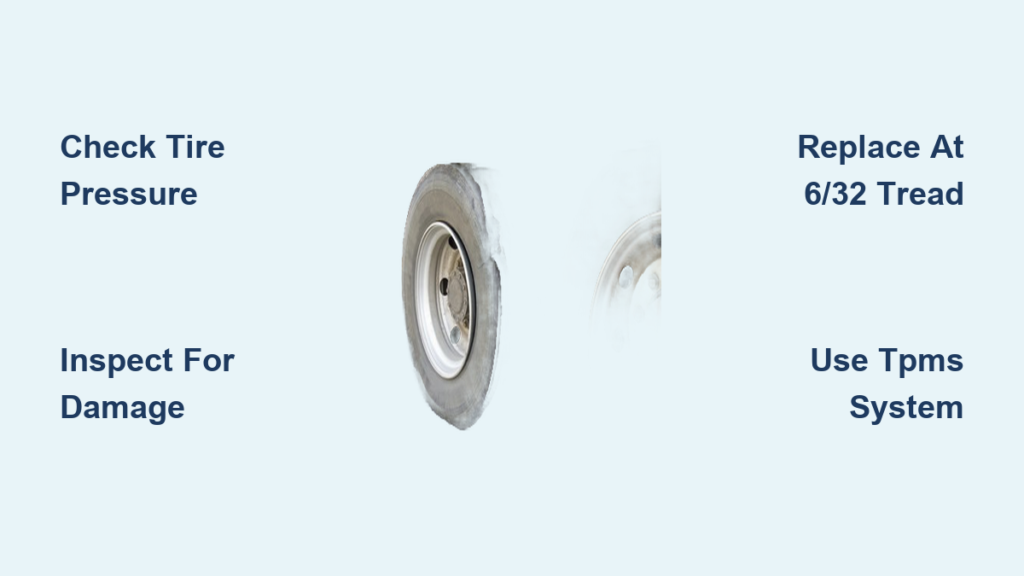
A sudden tractor trailer tire blowout at highway speeds creates one of the most dangerous situations on America’s roadways. When a semi-truck tire explodes without warning, the consequences often include vehicle instability, loss of control, multi-vehicle collisions, and potentially fatal outcomes. For professional drivers and fleet operators, understanding the mechanics behind these catastrophic failures isn’t just about vehicle maintenance—it’s a critical safety imperative that protects lives, cargo, and livelihoods. This guide delivers actionable strategies to prevent blowouts before they happen and proven response techniques when prevention fails.
Immediate Causes Behind Catastrophic Tire Failures
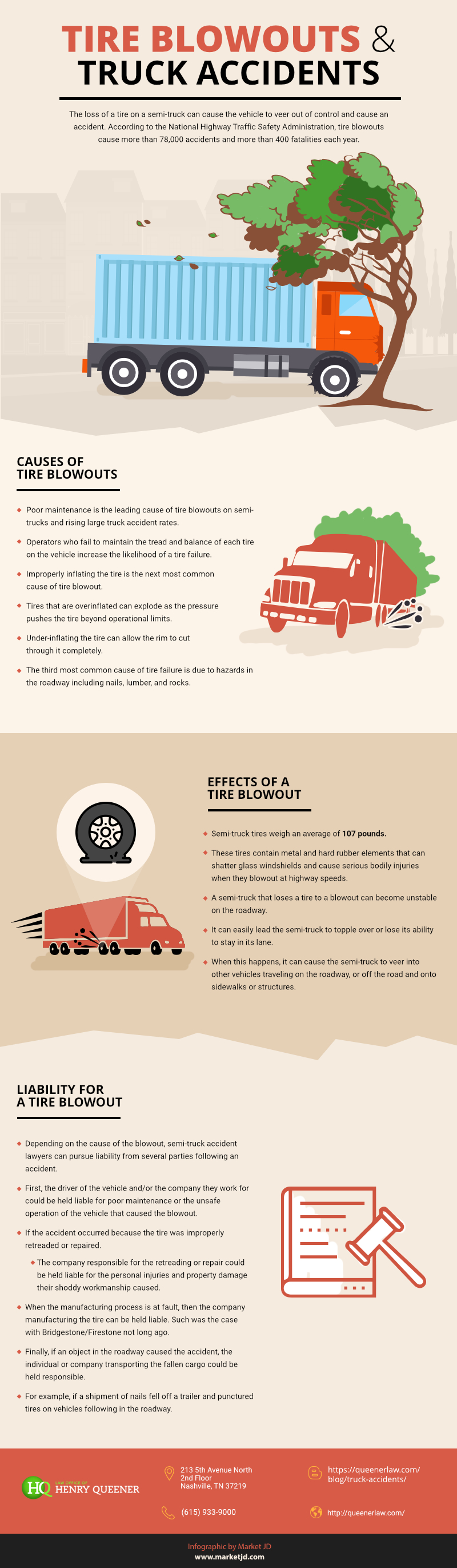
Tractor trailer tire blowouts rarely occur without warning signs or contributing factors. Recognizing these specific failure mechanisms helps operators address problems before they escalate to dangerous levels.
Overinflation Damage That Weakens Tire Structure
Exceeding manufacturer-recommended pressure levels creates dangerous stress points throughout the tire. An overinflated tire develops a rounded profile that concentrates wear on the center tread while reducing the contact patch with the road surface. This condition makes tires far more vulnerable to impact damage from road debris or potholes that would otherwise cause minimal harm. When combined with high-speed operation, even small road hazards can trigger immediate tire separation.
Heat Buildup From Underinflation and Overloading
Underinflated tires flex excessively during rotation, generating internal heat that degrades rubber compounds and weakens steel belts. This heat buildup accelerates dramatically when combined with overweight conditions—each 10% of overload increases heat generation by approximately 20%. Long hauls through desert regions or mountainous terrain compound these effects, with tire temperatures potentially reaching 200°F or higher, pushing components beyond their operational limits.
Sidewall Damage From Road Hazards and Improper Maneuvering
Curbs, railroad crossings, and potholes cause internal damage that often remains invisible during routine inspections. When tires strike obstacles at an angle, the impact can separate internal plies without creating external bulges. Similarly, rubbing against curbs during tight maneuvers creates “scuffing” damage that weakens sidewall integrity. These compromised areas may hold pressure temporarily but eventually fail catastrophically under normal operating stress.
Critical Inspection Techniques That Catch Problems Early
Implementing systematic inspection protocols creates multiple opportunities to identify developing issues before they lead to roadside emergencies.
Pre-Trip Visual Assessment Procedures
Before departure, walk completely around your tractor and trailer, examining each tire at eye level for irregularities. Look specifically for:
– Bulges or bubbles indicating internal separation (replace immediately)
– Embedded objects like nails or screws that may cause slow leaks
– Cracks in sidewalls that compromise structural integrity
– Valve stem condition and presence of valve caps
– Tread wear patterns that suggest alignment issues
Pay particular attention to dual tire assemblies, where damage to one tire can transfer excessive load to its partner, creating a cascading failure risk.
Monthly Pressure and Tread Depth Verification
Use a calibrated digital pressure gauge to check all tires when cold (before driving or after sitting for at least three hours). Compare readings against manufacturer specifications for your specific load conditions. Document all measurements to track pressure loss trends—consistent loss exceeding 2 psi per month indicates a developing leak requiring investigation.
Measure tread depth at multiple points across each tire using a dedicated truck tire gauge. Record measurements to monitor wear rates and identify uneven patterns that signal underlying mechanical problems. Pay special attention to drive tires, which typically wear faster than trailer positions.
Precision Inflation Management for Maximum Tire Life

Maintaining optimal pressure represents the single most effective preventive measure against blowouts, yet remains one of the most commonly neglected maintenance tasks.
Load-Specific Pressure Requirements
Tractor trailer tires require different inflation pressures based on actual load weight, not a single “correct” pressure. Consult manufacturer load and inflation tables to determine appropriate pressure for your specific operating conditions. For example, a tire rated for 120 psi at maximum load may only require 95 psi when operating at 70% capacity. Running tires at maximum pressure regardless of load creates unnecessary stress and accelerates wear.
Temperature Compensation Strategies
Tire pressure changes approximately 1 psi for every 10°F change in ambient temperature. A tire properly inflated at 60°F may be significantly underinflated at 100°F highway operating temperatures. Check pressures during morning pre-trips when tires are coldest, and adjust seasonally—especially when traveling between climate zones. Consider installing tire pressure monitoring systems that provide real-time alerts to developing issues.
Strategic Replacement Timing Before Failure Occurs
Knowing exactly when to replace tires prevents dangerous situations where marginal tires fail unexpectedly during operation.
Tread Depth Safety Margins Beyond Legal Minimums
While federal regulations permit operation down to 2/32 inch on steer tires and 4/32 inch on drive and trailer tires, these represent absolute minimums, not safe operating levels. Most safety experts recommend replacing drive tires at 6/32 inch and trailer tires at 4/32 inch to maintain adequate wet weather traction and prevent hydroplaning. Monitor tread wear indicators—small rubber bars spanning tread grooves that become flush with the tread surface at 2/32 inch wear.
Age-Based Replacement Protocol
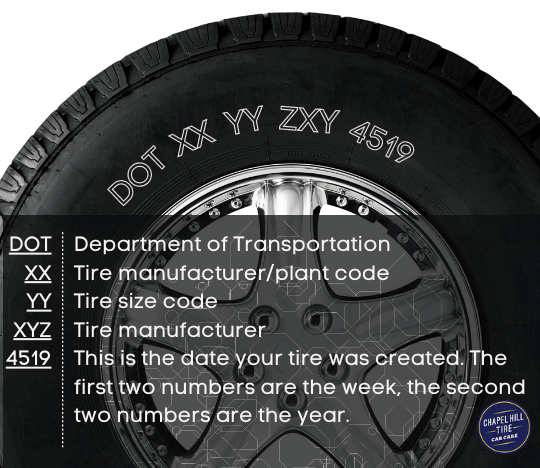
Rubber compounds degrade over time regardless of tread depth due to ozone exposure, UV radiation, and temperature cycling. Most tire manufacturers recommend removing commercial tires from service after six years, even with adequate tread remaining. Check the DOT code on the tire sidewall—the last four digits indicate the week and year of manufacture (e.g., “2523” means the 25th week of 2023). Mark installation dates with permanent marker to track service life accurately.
Emergency Response Techniques When Blowouts Happen
Despite best prevention efforts, blowouts occasionally occur. Proper response procedures dramatically reduce accident severity and protect everyone on the road.
Steering Control During Front Tire Failure
When a steer tire blows out, the truck will pull sharply toward the affected side. Counter-steer gently to maintain lane position while gradually reducing speed—never slam on brakes, as this transfers weight forward and increases stress on the damaged tire assembly. Activate hazard lights immediately to alert following traffic, then carefully maneuver to the shoulder once speed drops below 40 mph.
Trailer Tire Blowout Management
Trailer blowouts create loud noise and vibration but typically don’t cause immediate loss of control. Reduce speed gradually while maintaining directional stability, avoiding hard braking that could shift cargo. Once stopped safely, wait for traffic to clear before exiting, then inspect from a safe distance—the failed tire may have thrown debris that creates additional hazards.
Fleet-Wide Prevention Systems That Reduce Blowout Risk
Implementing comprehensive tire management programs creates multiple layers of protection against preventable failures.
Real-Time Monitoring Technology Integration
Modern tire pressure monitoring systems provide continuous data on inflation levels and temperature, alerting drivers and maintenance teams to developing problems before they cause roadside failures. Systems with automatic inflation capabilities can maintain proper pressure throughout the journey, compensating for normal leakage and temperature changes. Integrating this data with fleet management software enables predictive maintenance scheduling based on actual tire conditions.
Driver Training Enhancement Strategies
Include specific tire inspection techniques in regular safety meetings, teaching drivers to recognize early warning signs like unusual vibration, noise, or handling characteristics. Train drivers on proper response procedures for different blowout scenarios through classroom instruction and simulator training. Create incentive programs that reward thorough pre-trip inspections and timely reporting of potential issues.
Preventing tractor trailer tire blowouts requires systematic attention to multiple factors: proper inflation, regular inspections, strategic replacement timing, and appropriate loading practices. The most effective fleets implement layered protection strategies that combine technology, training, and disciplined maintenance protocols. When blowouts do occur despite prevention efforts, well-trained drivers who understand proper response techniques can minimize consequences and keep everyone on the road safer. By treating tire maintenance as a critical safety system rather than just a cost of operation, fleets protect their most valuable assets—their drivers, their equipment, and the public sharing the highways with them. Implement these strategies consistently, and you’ll significantly reduce your risk of experiencing one of commercial trucking’s most dangerous and preventable emergencies.