Nothing makes your heart skip a beat like the sudden, violent lurch of a tire blowout while driving at highway speeds. That terrifying moment when your vehicle suddenly pulls hard to one side and your steering becomes unpredictable puts you and your passengers in immediate danger. Tire blowouts cause thousands of accidents annually, often resulting in serious injuries or fatalities that could have been prevented with proper tire care. The good news is that most blowouts aren’t random acts of fate—they’re the result of preventable issues like improper inflation, damage, or wear that you can identify and address before disaster strikes.
This guide delivers actionable, specific strategies you can implement today to dramatically reduce your risk of experiencing a tire blowout. Forget vague advice about “taking care of your tires”—we’re focusing on concrete, measurable actions that target the actual causes of blowouts. Whether you’re driving a family sedan, a heavy-duty truck, or a compact car, these tire safety practices apply to every vehicle on the road. By following these proven methods, you’ll not only avoid the immediate danger of a blowout but also extend your tires’ lifespan, improve fuel efficiency, and enjoy a smoother, safer ride.
Check Tire Pressure Monthly with Accurate Gauge
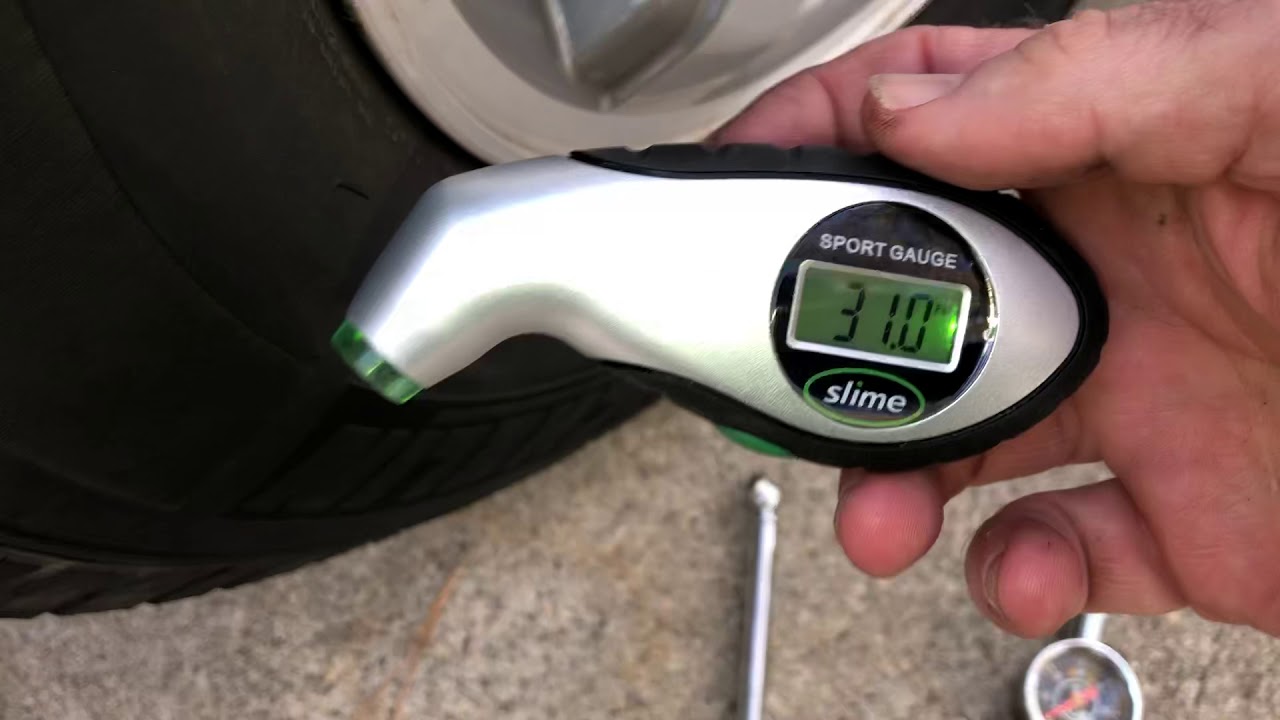
Your tire pressure directly impacts blowout risk more than any other single factor. Underinflated tires flex excessively as they roll, generating dangerous heat that weakens the tire’s internal structure over time. This heat buildup eventually causes the rubber and steel belts inside your tire to separate, leading to catastrophic failure—often without warning at high speeds when consequences are most severe. Many drivers rely solely on their vehicle’s TPMS (Tire Pressure Monitoring System), but these systems typically only alert you after pressure has dropped 25% below recommended levels—already in the danger zone for blowout risk.
Check pressure at least once monthly using a quality digital or dial gauge rather than gas station air pump gauges, which are notoriously inaccurate. Locate your vehicle’s specific recommended pressure (usually 32-35 PSI for passenger vehicles) on the sticker inside your driver’s door jamb—not the maximum pressure stamped on the tire sidewall. Always check when tires are cold (before driving or at least three hours after driving), as normal operation increases pressure by 3-6 PSI. If you discover underinflation, add air slowly in small increments while frequently rechecking to avoid overinflation, which creates its own hazards including reduced traction and uneven wear patterns.
Conduct Weekly Visual Tire Inspections
Regular visual checks catch problems that pressure measurements alone cannot detect. Make it a habit to walk around your vehicle weekly, crouching down to examine each tire from multiple angles in good lighting. Look for visible cuts, punctures, or embedded objects in the tread that might not have caused an immediate flat but could compromise structural integrity. Pay special attention to the sidewalls for bulges or blisters—these indicate internal separation that will likely lead to sudden failure. Check for uneven tread wear patterns that signal alignment issues or chronic underinflation.
When inspecting tread depth, use the penny test: insert a penny into the tread groove with Lincoln’s head facing down—when you can see the top of his head, your tread has worn down to 2/32 of an inch and needs immediate replacement. Many safety experts recommend replacing tires at 4/32 of an inch, especially if you frequently drive in wet conditions where shallower tread dramatically increases hydroplaning risk. Note any unusual wear patterns: excessive wear on the outer edges indicates chronic overinflation, while inner edge wear suggests underinflation, and cupping or scalloped wear points to suspension problems that need professional attention.
Never Exceed Vehicle’s Load Capacity

Overloading your vehicle significantly increases blowout risk by forcing tires to support more weight than their construction allows. When you exceed your vehicle’s maximum payload capacity, tires flex more aggressively, generating dangerous heat that progressively weakens the internal structure. A tire might survive one overloaded trip only to fail catastrophically on a subsequent journey when cumulative damage reaches a critical point. The gross vehicle weight rating (GVWR) listed on your door jamb sticker represents the maximum weight your vehicle can safely carry, including its own weight, passengers, cargo, and any equipment.
Calculate your actual load by subtracting your vehicle’s curb weight (found in your owner’s manual) from the GVWR to determine available payload capacity. Remember that roof racks, trailer hitches, and even full fuel tanks count toward this total. When carrying heavy loads, check tire pressure more frequently as the recommended pressure increases with heavier loads—consult your vehicle manual for specific adjustments. If you regularly haul heavy cargo, consider upgrading to tires with higher load ratings specifically designed for your vehicle’s weight requirements rather than risking blowouts with standard tires.
Replace Tires Based on Age, Not Just Tread
Tires degrade over time regardless of mileage, making age a critical but often overlooked blowout factor. The rubber compounds undergo oxidation, becoming harder and more brittle, while UV exposure accelerates this deterioration process. A tire that appears perfectly sound externally may have severely degraded internally, unable to safely contain air pressure. Most tire manufacturers recommend replacement every six years regardless of tread depth, with absolute maximum service life of ten years.
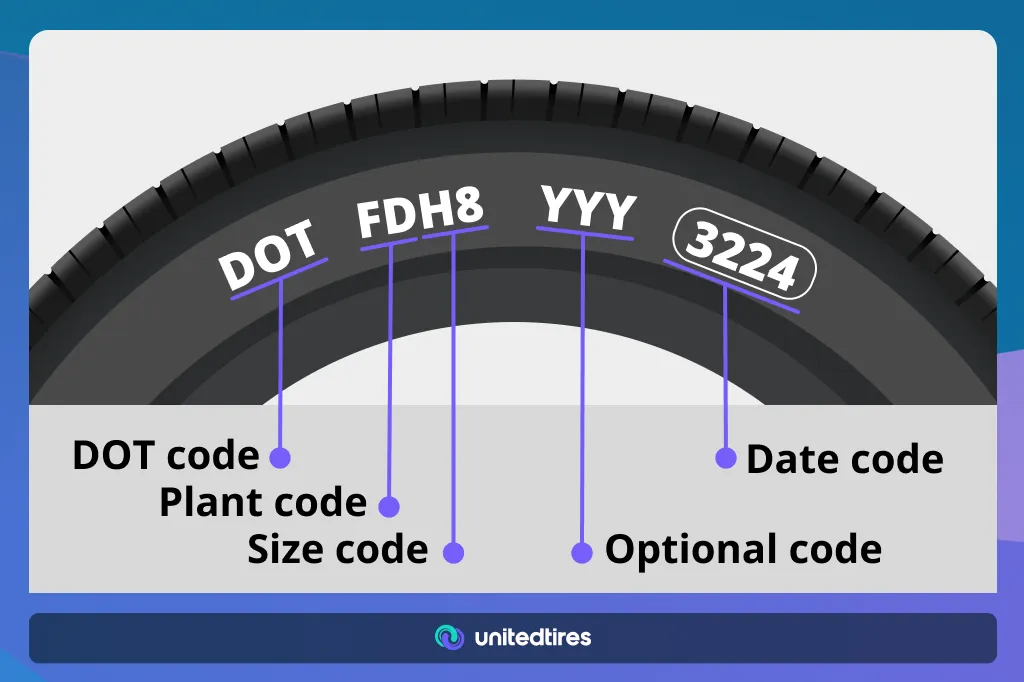
Check your tire’s age using the DOT code on the sidewall—the last four digits indicate manufacture date (e.g., “1523” means 15th week of 2023). If your tires approach or exceed six years, have them professionally inspected for internal damage, as visual inspection alone cannot detect age-related deterioration. This is especially important for spare tires and vehicles driven infrequently—your rarely-used weekend car might have older, more dangerous tires than your daily commuter. When replacing tires, install the newest manufactured tires on the rear axle to maintain stability, as rear tire blowouts are more likely to cause loss of vehicle control.
Adjust Driving Habits for Temperature Extremes
Extreme temperatures significantly impact blowout risk through different mechanisms. During heat waves, hot pavement dramatically increases tire operating temperatures while reducing the cooling effect of ambient air. This double impact pushes tires beyond safe thermal limits, especially if they’re already marginally damaged or underinflated. Reduce highway speeds during extreme heat, check pressure more frequently (as heat causes air expansion), and park in shaded areas when possible to minimize UV exposure and heat buildup.
Cold weather presents different challenges, primarily through its effect on tire pressure. For every 10-degree Fahrenheit drop in temperature, tire pressure decreases by approximately 1 PSI. This means tires properly inflated in warm fall weather can become significantly underinflated by winter’s first deep freeze—creating blowout conditions without visible warning. Check pressure more frequently during seasonal transitions and add air as needed. Winter roads also contain more debris, potholes, and hazards that can damage tires, so increase following distance and avoid road hazards when safe to do so.
Schedule Professional Tire Inspections Annually
While personal maintenance forms the foundation of tire safety, professional inspections catch problems untrained eyes might miss. Mechanics can identify internal damage, belt separation, and other structural issues invisible from the outside. Schedule a professional tire inspection at least annually, or more frequently for high-mileage vehicles—many tire shops offer free inspections. Professionals also ensure wheels are properly balanced (preventing vibration that accelerates wear) and vehicle alignment is correct (ensuring even tire wear).
When you get routine maintenance like oil changes, specifically request a tire inspection—just a few extra seconds of attention can catch developing problems before they become dangerous. If you notice unusual vibration, steering pull, or uneven wear patterns, have these issues addressed immediately before they cause tire damage. For vehicles with TPMS systems, have sensors checked during tire rotations to ensure accurate pressure monitoring.
Replace Damaged Tires Immediately, Not “Just Until I Get Home”
Many blowouts occur because drivers continue using visibly damaged tires, thinking they can “make it home” or to the repair shop. Sidewall damage, bulges, or deep tread punctures compromise structural integrity and create immediate blowout risks that worsen with each mile driven. If you notice any bulge, bubble, or deformation in your tire—especially along the sidewall—replace it immediately rather than risking catastrophic failure at speed.
Tires driven while severely underinflated or completely flat often sustain internal damage invisible from the outside. Even if the tire holds air after re-inflation, have it professionally inspected before continuing use, as the internal structure may be compromised. When replacing tires, always replace in pairs (at minimum) on the same axle to maintain balanced handling, and ideally replace all four tires simultaneously for optimal vehicle control. Never mix different tire types, brands, or tread patterns on the same vehicle, as this creates uneven traction that can lead to loss of control during emergency maneuvers.
By implementing these specific, actionable strategies consistently, you dramatically reduce your risk of experiencing a terrifying tire blowout. Proper tire pressure maintenance, regular inspections, respecting load limits, monitoring tire age, adapting to weather conditions, and replacing damaged tires promptly form a comprehensive defense against blowout risks. The few minutes spent checking your tires monthly and the modest investment in timely replacements are insignificant compared to the potential consequences of tire failure at highway speeds. Make these tire safety practices part of your regular vehicle maintenance routine, and you’ll enjoy safer travels with confidence that your tires can handle whatever the road brings. Remember—your tires are the only connection between your vehicle and the road, so treat them with the attention they deserve for your safety and the safety of others.