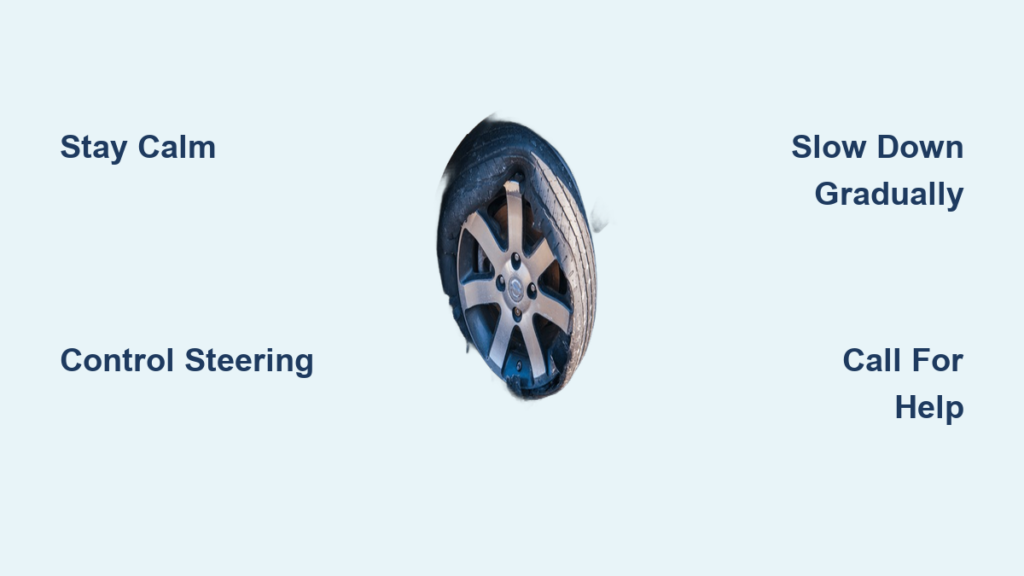
Your heart pounds as your vehicle suddenly lurches to one side. The steering wheel jerks violently in your hands while a loud thumping noise fills the cabin. You’ve just experienced a tire blowout – one of the most dangerous roadside emergencies drivers face. According to safety statistics, tire-related issues contribute to hundreds of fatal crashes annually, with blowouts being particularly hazardous at highway speeds. Knowing exactly what to do in these critical seconds could save your life and prevent a catastrophic accident. This guide reveals the immediate steps to maintain control during a blowout, explains why you can’t actually “fix” a blowout while driving, and provides proven strategies to prevent these dangerous failures before they happen.
Why You Can’t Fix a Blowout Tire on the Road
Understanding Blowout Damage Mechanics
When a tire experiences a blowout, the structural integrity is completely compromised. Unlike a slow puncture that might be temporarily addressed with sealant, a blowout involves catastrophic failure where air escapes rapidly, often shredding the tire’s sidewall or tread. The rubber may separate from the wheel rim entirely, making the tire impossible to reinflate or repair in the field. Attempting to “fix” a blowout roadside would be like trying to repair a shattered window with tape – the fundamental structure is too damaged for temporary solutions.
Safety Risks of Attempting Roadside Blowout Repairs
Stopping to work on a blown-out tire creates multiple hazards. You’ll be stranded in potentially high-traffic areas where distracted drivers might not see your hazard lights. The damaged tire often can’t support the vehicle’s weight properly during jack placement, increasing the risk of the car slipping off the jack. Additionally, the remaining air in the damaged tire can explosively release when disturbed, causing serious injury. Professional tire technicians consistently advise against attempting any repair on a blown-out tire – your immediate priority should be safely exiting traffic and calling for professional assistance.
Immediate Actions During a Tire Blowout

Maintaining Vehicle Control at Highway Speeds
Keep both hands firmly on the steering wheel at the 9 and 3 o’clock positions. Resist the instinct to slam on the brakes, as this could cause a spinout. Instead, gradually release pressure from the accelerator while steering straight ahead. The vehicle will naturally slow as the deflated tire creates drag. Focus on maintaining your lane position until you’ve reduced speed to about 30 mph before gently applying the brakes. This technique prevents the sudden weight transfer that causes loss of control during blowouts.
Safely Pulling Over After a Blowout
Once your speed drops below 30 mph, signal and carefully move toward the shoulder or nearest safe area. Avoid stopping on soft shoulder surfaces where your vehicle might sink. Continue rolling as far off the roadway as possible – ideally beyond the护栏 if available. Turn on your hazard lights immediately upon pulling over. If you have reflective triangles or flares, place them at least 100 feet behind your vehicle on straight roads (further on curves) to warn approaching traffic. Stay inside your vehicle with seatbelts fastened until emergency personnel arrive if you’re on a high-speed roadway.
Assessing Damage and Next Steps
Determining If the Tire Can Be Repaired Later
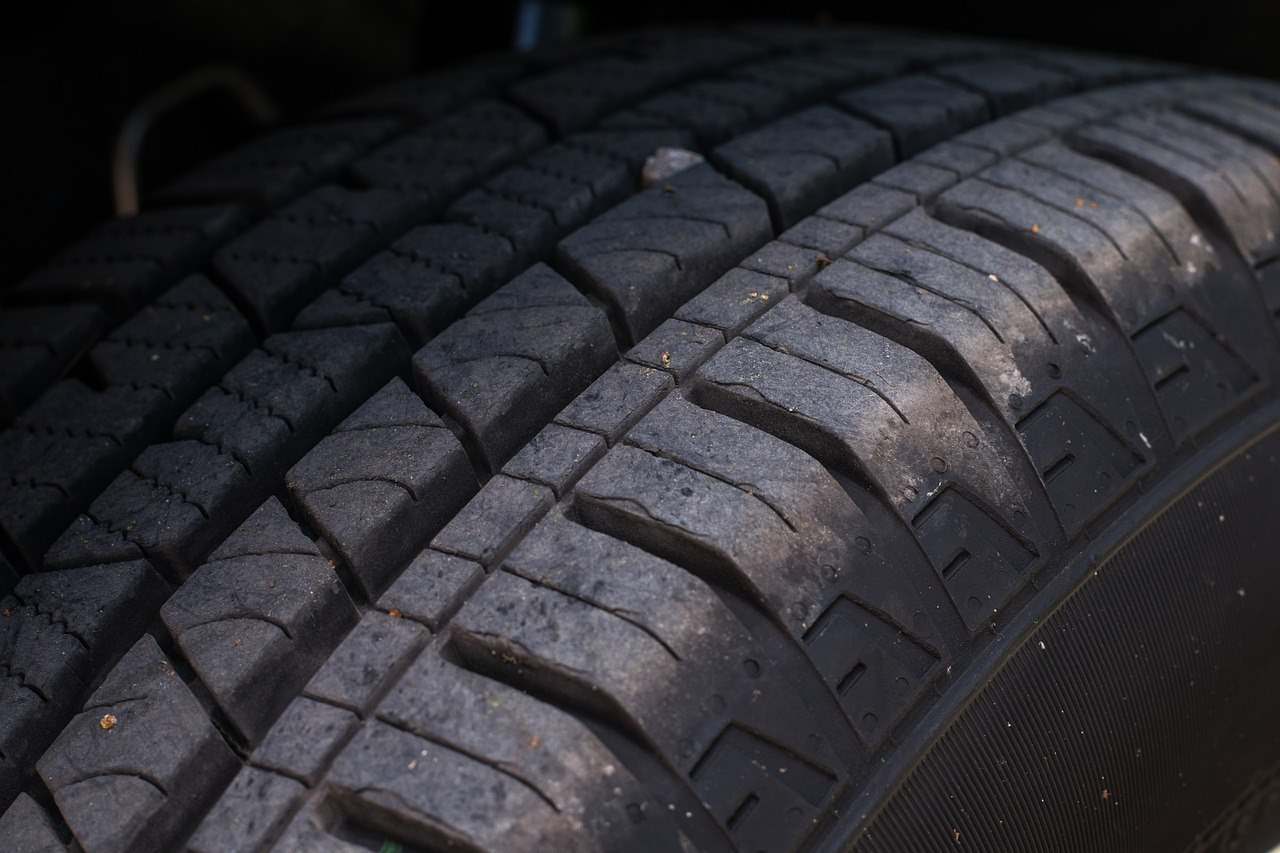
After ensuring safety, inspect the tire from a safe distance. Look for these critical indicators:
– Sidewall damage: Any bulge, cut, or separation in the sidewall means the tire must be replaced
– Tread separation: If the tread has peeled away from the tire body, replacement is mandatory
– Puncture location: Only punctures in the center tread area (not near sidewalls) may be repairable
– Damage size: Holes larger than ¼ inch in diameter typically cannot be safely repaired
Important: Even if damage appears minor, never attempt to reinflate a tire that has completely deflated. The internal structure may be compromised in ways not visible externally.
When to Call Roadside Assistance vs. Attempt a Tire Change
If you have a full-size spare tire and feel confident changing tires, you may proceed after confirming the roadside area is safe. However, if you only have a temporary “donut” spare, roadside assistance is strongly recommended as these mini-spare tires have strict speed (usually 50 mph maximum) and distance limitations (typically 50 miles). Never attempt a tire change on a highway shoulder with live traffic nearby – wait for professional help. Many modern vehicles no longer include spare tires at all, making roadside assistance your only option after a blowout.
Preventing Future Tire Blowouts
Proper Tire Maintenance Schedule
Check tire pressure at least once a month using a quality gauge, always when tires are cold (before driving or after the vehicle has been parked for three hours). Inflate to the vehicle manufacturer’s recommended PSI, not the maximum pressure listed on the tire sidewall. Rotate tires every 5,000-7,000 miles to ensure even wear. Inspect tread depth quarterly using the penny test – insert a penny head-first into the tread; if you can see all of Lincoln’s head, your tread is too worn. Schedule professional wheel alignments every 15,000 miles or after hitting significant potholes.
Recognizing Early Warning Signs of Tire Failure
Pay attention to these often-overlooked indicators:
– Vibration through the steering wheel at specific speeds
– Uneven tread wear patterns (excessive wear on inner or outer edges)
– Bulges or blisters on the tire sidewall
– Frequent need to add air (more than 1 PSI per week)
– Cracks or cuts in the tread or sidewall
Tires older than six years should be inspected annually by a professional regardless of tread depth, as rubber degrades over time even with proper storage. Most tire manufacturers recommend replacement after 10 years maximum, regardless of appearance.
Essential Emergency Preparedness

Must-Have Items in Your Vehicle
Keep these critical items accessible in your vehicle:
– Reflective safety vest (increases visibility to approaching vehicles)
– LED road flares or reflective triangles (more visible than traditional flares)
– Fully charged phone with emergency contacts pre-programmed
– Portable air compressor (for maintaining proper pressure in spare)
– Emergency blanket (for unexpected roadside waits)
Avoid keeping a spare tire that’s older than six years or shows signs of dry rot, as it could fail immediately when put into service. Check your spare’s pressure quarterly since most people only remember to check it when they need it.
Creating Your Personal Blowout Response Plan
Practice your blowout response in a safe, empty parking lot at low speeds. Familiarize yourself with your vehicle’s handling characteristics when one tire is slightly underinflated. Program roadside assistance numbers into your phone’s speed dial. Keep a printed emergency checklist on your sun visor with step-by-step instructions. Knowing exactly what to do reduces panic during the real event – when every second counts.
Final Note: A blowout tire requires immediate safety-focused response, not roadside repair. Your priority must be maintaining vehicle control, safely exiting traffic, and summoning professional help. Regular tire maintenance remains your best defense against blowouts, as properly inflated tires with adequate tread depth dramatically reduce failure risks. Remember that modern tire technology has improved significantly, but no tire is immune to failure when neglected. By implementing these prevention strategies and knowing exactly how to react during an emergency, you’ll significantly improve your safety on the road. If you experience frequent tire issues despite proper maintenance, consult a tire specialist to evaluate whether your driving conditions require different tire specifications.