
You’ve spotted spiderweb cracks on your tire sidewall, frantically searched “tire dry rot repair,” and hoped for a quick fix. Stop right now—what you’re about to consider could cost you your life. Tire dry rot isn’t a puncture you can patch; it’s structural decay that makes your tire a ticking time bomb at highway speeds. Major tire manufacturers like Michelin and Bridgestone explicitly state there is no safe repair method for dry rot, yet misleading YouTube videos and forum posts push risky “solutions” that create false confidence. In this guide, you’ll learn why attempting tire dry rot repair is like putting a Band-Aid on a broken bone, how to accurately identify dangerous dry rot versus cosmetic cracking, and most critically—when replacement isn’t optional. Your safety depends on understanding that rubber degradation is irreversible.
What Dry Rot Actually Is (And Why It’s Irreversible)
Dry rot occurs when tire rubber compounds break down due to age, UV exposure, ozone, and chemical reactions—not from punctures or impacts. Unlike a nail hole you can plug, dry rot attacks the tire’s molecular structure from within. The rubber loses elasticity, becoming brittle and unable to withstand pressure or flexing. You’ll notice this as deep, interconnected cracks resembling dried riverbeds, often starting at the sidewall base where flexing is greatest. Crucially, these cracks extend far beyond the surface you see—they penetrate into the tire’s critical structural layers.
Why no product can fix this: Rubber rejuvenators or sealants only coat the exterior. They can’t reverse oxidation deep within the tire carcass or restore lost plasticizers (the oils that keep rubber flexible). Applying any liquid “repair” to dry-rotted tires creates dangerous complacency—drivers think they’ve fixed the problem while the tire’s structural integrity continues deteriorating. The moment you accelerate past 45 mph, internal heat buildup can cause catastrophic separation.
3 Critical Signs Your Tires Have Dangerous Dry Rot (Check Before Driving)
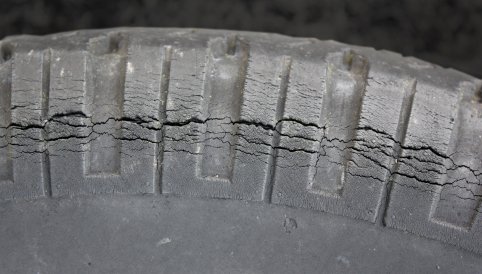
Sidewall Cracks That Feel Like Deep Creases, Not Surface Scratches
Run your fingers vertically along the tire sidewall. If cracks feel like pronounced grooves you can catch your nail in—not just superficial marks—it indicates advanced degradation. Pay special attention to the area where the tire meets the wheel rim; this “bead area” cracking often signals imminent failure. Warning: If you see cracks wider than a credit card’s thickness (about 1/16 inch), the tire is unsafe regardless of tread depth.
Tread Blocks That Are Hard and Brittle to the Touch
Press firmly on the tread blocks with your thumb. Healthy rubber should yield slightly. Dry-rotted tires feel rock-hard and may crumble when squeezed. Check for “checking”—a network of tiny cracks across multiple tread blocks. This isn’t normal wear; it means the tread could detach during hard braking. Pro tip: Compare to a new tire if possible—age makes rubber lose 50%+ of its flexibility.
Visible Fabric or Cords Showing Through the Rubber
This is an instant replacement emergency. If you see any glimpse of the tire’s internal fabric or steel belts through cracks—especially on the sidewall—structural integrity is gone. Even hairline exposures mean air is escaping from between layers, creating dangerous heat pockets. Do not drive—call a tow truck immediately.
Why DIY “Repairs” for Dry Rot Are Life-Threatening
How Sealants Create False Confidence
Spraying tire dressings or “rejuvenators” masks the problem while accelerating failure. Petroleum-based products (common in cheap Walmart sprays) react with aged rubber, causing rapid swelling and micro-tearing. Drivers report tires looking “fixed” for weeks before suffering blowouts at speed. Safety labs confirm these treatments increase internal temperature by 20°F during driving—pushing brittle rubber past its breaking point.
The Catastrophic Failure Risk at Highway Speeds
At 65 mph, a dry-rotted tire generates 100+ degrees of internal heat. Brittle rubber can’t dissipate this, causing the sidewall to separate explosively. NHTSA data shows tire failures cause 78,000+ crashes yearly—most involving aged tires with undetected dry rot. Unlike punctures (which usually cause gradual deflation), dry rot failures happen in under 0.5 seconds with zero warning. You won’t have time to brake.
What Tire Manufacturers Officially State
Michelin’s technical bulletin bluntly declares: “Tires with sidewall cracks exceeding 1/8 inch in depth must be removed from service—no exceptions.” Bridgestone adds: “No chemical treatment reverses ozone cracking; replacement is the only safe option.” Dealerships won’t even attempt repairs on dry-rotted tires due to liability. If you see “repair” services offered online, they’re violating industry safety standards.
When Replacement Isn’t Optional: 4 Non-Negotiable Scenarios
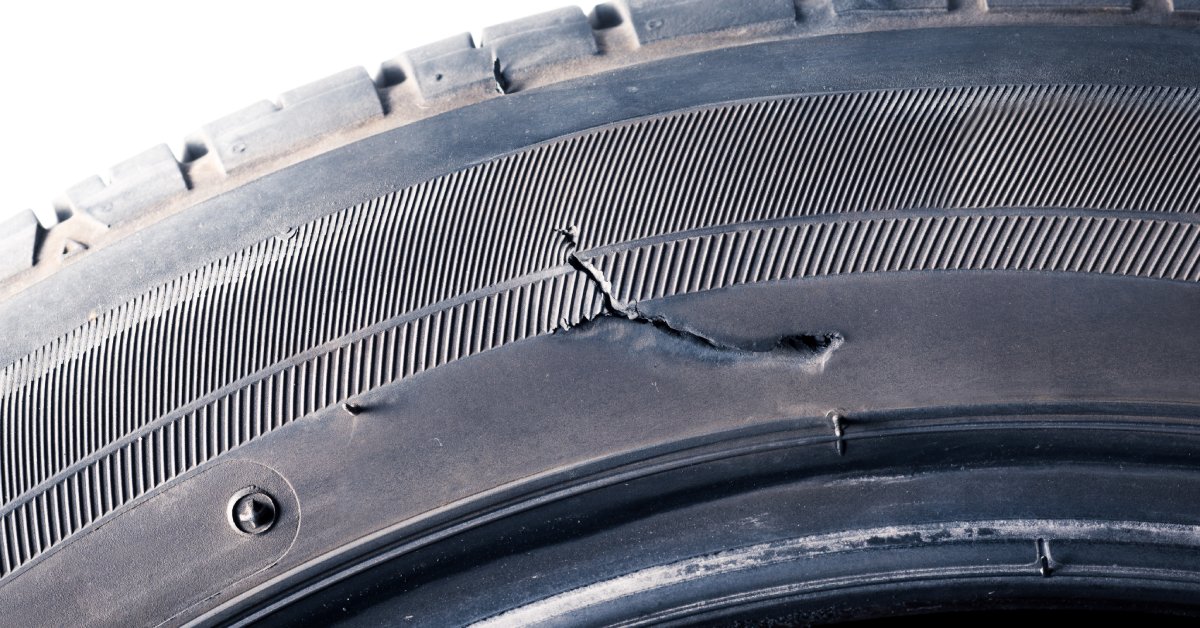
Cracks Deeper Than 1/16th Inch
Measure cracks with a tire tread depth gauge. If the probe drops below the rubber surface, the tire is compromised. This depth means cracks have penetrated the stabilizer layers designed to hold the tire together under pressure.
Any Cracks Near the Tread Shoulder
The shoulder (where tread meets sidewall) handles 70% of cornering stress. Cracks here indicate total structural failure risk—especially dangerous during rain when hydroplaning could trigger sudden blowout.
Tires Older Than 6 Years (Regardless of Tread Depth)
Rubber degrades on a timeline, not just mileage. Check your DOT code: The last four digits indicate manufacturing week/year (e.g., “2523” = 25th week of 2023). Most manufacturers mandate replacement at 6 years—even if tires look perfect. Heat accelerates aging; garage-stored tires last longer than sun-baked ones.
Multiple Radial Cracks on the Sidewall
Two or more vertical cracks within 3 inches of each other create stress concentration points. Physics dictates these will link during flexing, causing rapid sidewall rupture. Never ignore “spidering” patterns.
Preventing Dry Rot: Your 5-Step Tire Longevity Plan
Park in Shade or Garages to Block UV Exposure
Sunlight is the #1 dry rot accelerator. UV rays break rubber bonds 3x faster than darkness. If you must park outside, use reflective windshield covers and tire covers specifically designed for UV protection—not plastic tarps (they trap moisture).
Clean Tires With Water and Mild Soap Only
Never use petroleum-based cleaners, tire shine sprays, or degreasers. These strip protective waxes. Wash with dish soap and water, then dry thoroughly. For storage, apply water-based tire protectants containing zinc oxide (like 303 Aerospace Protectant).
Drive Regularly to Maintain Rubber Flexibility
Tires need movement to stay supple. Parked vehicles develop flat spots that accelerate cracking. Drive at least 10 miles weekly at highway speeds to warm tires and redistribute protective oils. For stored cars, inflate tires 10 PSI above spec and rotate monthly.
Check Tire Pressure Monthly (Underinflation Accelerates Aging)
Low pressure causes excessive sidewall flexing, generating heat that ages rubber 50% faster. Use a digital gauge when tires are cold. Check monthly—not just at oil changes. TPMS lights often activate too late for prevention.
Store Vehicles on Tire Savers for Long-Term Parking
If parking over 30 days, use tire cradles (not blocks) that distribute weight evenly. Never park on dirt or grass—moisture wicks into rubber. Inflate to max sidewall pressure and disconnect batteries to prevent drain-related issues.
How to Check Your Tire’s Age (The Hidden Date Code)
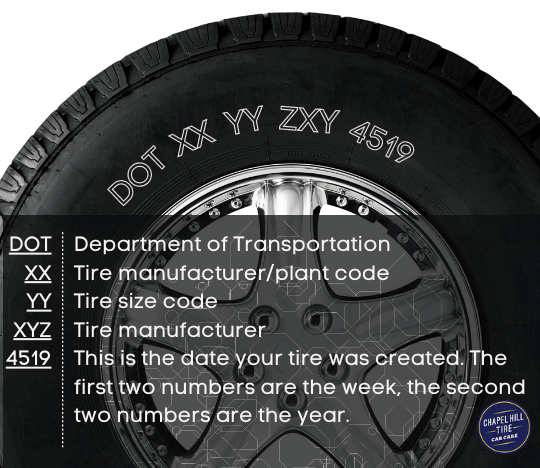
Find the DOT code on the tire’s sidewall ending in four digits (e.g., DOT XXXX XXXX 2523). The last two numbers indicate the year (23 = 2023), and the first two show the production week (25 = late June). Critical nuance: Tires manufactured before 2000 use three-digit codes (e.g., 259 = 25th week of 1999)—these are always unsafe and must be replaced immediately. If your DOT code has fewer than 12 characters, the tire predates 2000 regulations and is illegal to drive on.
Choosing Replacement Tires: What Matters More Than Brand
Prioritize Fresh Manufacturing Dates
Demand tires manufactured within the last 6 months. Dealers often hide older stock. Check the DOT code before purchase—refuse anything older than 1 year. A “new” tire sitting on a lot for 2 years has already lost 20% of its lifespan.
Understand Tire Construction for Your Climate
In hot climates, choose tires with higher silica content (look for “all-season” or “touring” grades)—they resist UV better than performance tires. For garaged vehicles, standard all-seasons suffice. Avoid “whitewall” tires—they degrade 30% faster due to pigment chemistry.
Final Reality Check: Tire dry rot repair doesn’t exist. Period. Every automotive safety organization—from the NHTSA to ASE—agrees that structural rubber degradation requires immediate replacement. That “quick fix” you found online endangers not just you, but everyone sharing the road. If you spot deep cracks, visible cords, or hardened rubber, pull over safely and call for a tow. Invest in tire insurance that covers aging-related replacement—it’s cheaper than an ambulance bill. Check your tires monthly using this guide, and replace them proactively at 6 years. Your life isn’t worth the gamble of “repairing” what nature and chemistry have already decided to destroy. Drive safe.