
There’s nothing more frustrating than stepping outside to find unsightly brown ruts and flattened grass where your pristine lawn once thrived. Whether from a delivery truck, visiting vehicles, or heavy equipment during home projects, tire tracks can transform your green oasis into an eyesore almost overnight. The good news is that most tire track damage is completely repairable with the right approach—no need to panic or call in expensive professionals for minor to moderate damage. Understanding how tire tracks harm your lawn is the first step to effective repair: vehicle weight compresses soil, destroying the vital air pockets grass roots need, while the pressure simultaneously damages both grass blades and the delicate root zone beneath the surface.
This comprehensive guide delivers proven strategies to restore your lawn regardless of damage severity. You’ll learn how to accurately assess tire track damage, choose the most effective repair method for your specific situation, and implement solutions that yield lasting results. Whether you’re dealing with temporary impressions from a single vehicle pass or deep ruts caused by heavy equipment, these techniques will help you revive your lawn’s health and appearance. Most importantly, you’ll discover simple prevention strategies to protect your hard work from future damage.
Identify Your Tire Track Damage Severity Level
Before attempting any repairs, accurately determining your damage level prevents wasted effort and ensures you use the most effective restoration method for your specific situation.
Minor damage appears as shallow impressions where grass blades are bent but not killed. The soil shows no visible compaction, and the grass typically springs back within one to two weeks with minimal intervention. These tracks often occur after a single vehicle passage on moist soil and require the least intensive repair approach.
Moderate damage features visible soil exposure and noticeable compaction where grass has died along the tire path. The soil feels hard when pressed, and slight depressions are visible where tires compressed the earth. This level requires active repair through aeration, overseeding, and dedicated watering to fully restore.
Severe damage includes deep ruts several inches deep, completely compacted soil that water cannot penetrate, and dead grass with no chance of recovery. Heavy trucks, construction equipment, or repeated vehicle traffic typically cause this extensive damage that may require complete soil replacement.
Test compaction severity by trying to insert a screwdriver into the soil along the tire track. If it penetrates easily several inches, soil structure remains intact and recovery should be straightforward. If you struggle to push it more than an inch or two, significant compaction exists requiring more intensive soil remediation before grass can regrow.
Restore Light Surface Impressions Without Major Work

When tire tracks show only minor impressions without dead grass, implement these quick fixes within days of damage occurring for fastest recovery.
Immediately flood the affected area with water using a garden hose set to moderate flow. Soak the compacted soil for several minutes—water loosens compressed particles and rehydrates stressed grass blades. After watering, gently rake the area with a leaf rake to lift flattened grass blades, which surprisingly effective for tracks made when soil was moist but not saturated.
Encourage rapid recovery by increasing foot traffic across the damaged zone. Grass actually grows back more vigorously when walked on because the activity stimulates root development and blade spreading. If tracks are in a low-traffic area, temporarily redirect your walking path to cross the damaged zone regularly.
For tracks remaining visible after one week, dethatch the area using a manual dethatching rake or thatching blade on your mower. This removes dead organic matter and allows better air and water penetration. Follow dethatching with a light application of lawn fertilizer to give stressed grass a nutritional boost for faster recovery.
Break Up Compacted Soil with Proper Aeration

When tire tracks have killed grass and created genuine soil compaction, address the soil structure first through strategic aeration before new grass can establish.
Time your aeration correctly based on grass type. For cool-season grasses (fescue, bluegrass, ryegrass), aerate in early spring or early fall when grass actively grows and temperatures moderate. Warm-season grasses (Bermuda, zoysia, St. Augustine) require late spring through early summer aeration during peak growing season. Avoid aerating during drought stress or extreme heat.
Water the damaged area thoroughly one to two days before aeration. Moist (not soggy) soil allows aerator tines to penetrate deeply and pull clean soil cores. Rent a core aerator from home improvement stores for small to medium areas, or use a manual spike aerator or garden fork for tiny spots.
Run the aerator across damaged tire tracks in multiple directions—first lengthwise, then crosswise—for thorough coverage. Space holes two to three inches apart, penetrating at least two to three inches deep. Leave soil cores on the surface; they break down naturally over weeks and improve soil structure.
After aerating, apply a quarter-inch layer of compost or quality topsoil over the area. This fills aeration holes and introduces beneficial microorganisms that continue breaking up compaction. Lightly work this material into holes with a rake while preserving the aeration channels.
Overseed Bare Spots with Precision Timing
Once you’ve loosened compacted soil, plant new grass to fill bare spots left by tire damage using these targeted overseeding techniques.
Select matching grass seed to maintain uniform lawn appearance. Patching a Bermuda lawn with fescue creates obvious mismatches. Identify your grass type by examining unaffected lawn areas or consulting local extension offices. For patch repairs, use “lawn repair” seed blends containing appropriate seed types plus starter fertilizer and mulch.
Prepare the soil surface by lightly raking to create shallow grooves that give seed good soil contact while preventing washout. Mix seed with equal parts sand or compost before spreading—this ensures even coverage and makes distribution visible.
Apply seed at double the normal overseeding rate (approximately 8-10 pounds per 1,000 square feet for cool-season blends). After spreading, lightly rake again to work seed one-quarter to one-half inch into soil—not deeper (prevents germination) or shallower (dries out quickly).
Maintain consistent soil moisture during the critical first two to three weeks by watering lightly two to three times daily. Apply just enough water to dampen the top inch without causing runoff. As seedlings establish, gradually reduce watering frequency while increasing amount per session to encourage deeper root growth.
Level Deep Ruts with Strategic Soil Application
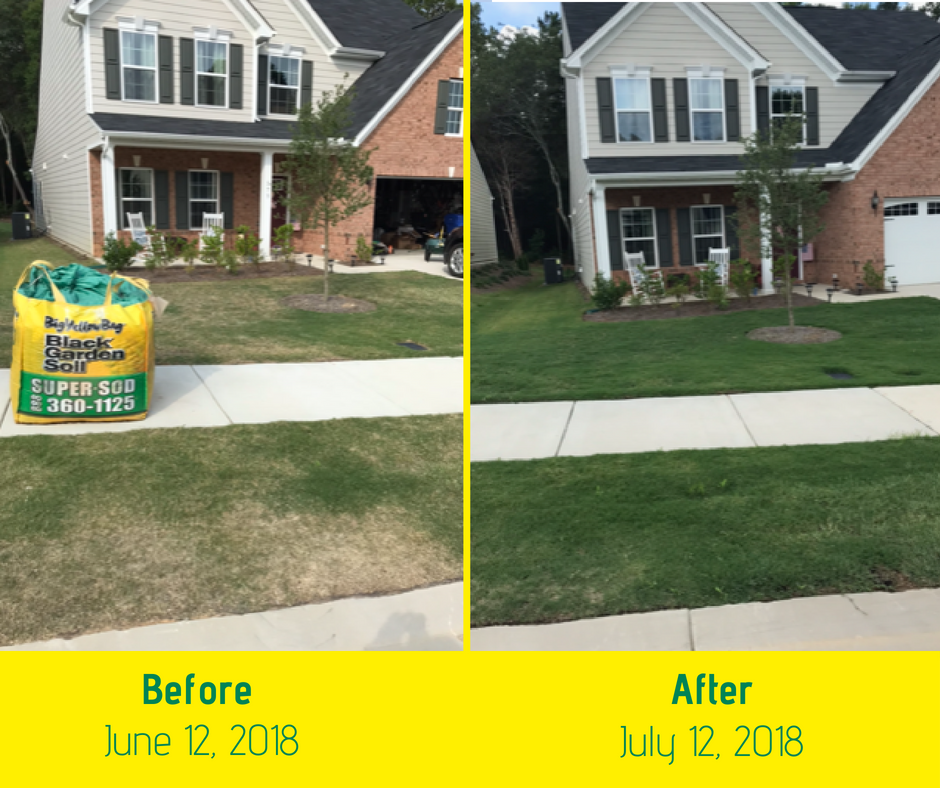
When tire tracks create actual depressions that hold water or create uneven surfaces, restore proper grading through careful soil application after addressing compaction.
Assess depression depth before adding soil. Small ruts (less than one inch deep) often correct themselves during aeration and overseeding, especially with compost topdressing. Deeper ruts require deliberate attention to bring low areas up to surrounding soil level without creating problematic humps.
For ruts one to three inches deep, apply quality topsoil or lawn-leveling mix in thin layers, allowing each layer to settle before adding more. Calculate needs using the guideline that one cubic foot of topsoil covers approximately 12 square feet at one inch deep. Lightly compact each layer by walking over it, then rake smooth before proceeding.
For severe ruts exceeding three inches, choose between complete excavation (fill with fresh topsoil, then seed or sod) or gradual buildup over several months. Complete excavation creates better long-term results but requires more labor. Gradual buildup takes longer but is less intensive.
Avoid using pure sand as filling material—it can create drainage problems in some soil types. Opt for quality topsoil or compost-enriched mixes containing balanced sand, silt, clay, and organic matter for optimal grass support.
Water Strategically During Lawn Recovery
Proper watering makes the critical difference between successful grass recovery and persistent bare spots following tire track damage.
Newly planted seed requires frequent, light watering to maintain consistent topsoil moisture during germination (7-21 days depending on grass type). Water two or three times daily in warm weather, ensuring soil never dries out completely while avoiding saturation that washes away seed or promotes fungal growth.
Newly established grass (after first few weeks) needs deeper, less frequent watering to encourage root growth. Switch to watering every two to three days, applying enough water to moisten soil four to six inches deep. Test penetration depth by digging small holes after watering.
Recovering existing grass (for minor damage without reseeding) benefits from deep but infrequent watering mimicking natural rainfall. Water once or twice weekly, applying enough to soak soil six to eight inches deep, encouraging roots to grow downward for drought resistance.
Water early morning between 5 AM and 9 AM for reduced evaporation and time for grass blades to dry before evening—preventing fungal diseases. Never water late in the day or at night, as extended moisture on blades creates ideal disease conditions.
Prevent Future Tire Track Damage Proactively
Protect your hard work from repeating the repair process with these strategic prevention measures.
Create designated parking areas using permeable pavers, gravel, or crushed stone away from lawn areas. These surfaces distribute weight across larger areas, preventing concentrated pressure that causes soil compaction. For occasional heavy vehicle access, lay plywood sheets or ground protection mats before vehicle arrival.
Install physical barriers like decorative boulders, ornamental fencing, planted hedges, or strategic planters to prevent unauthorized vehicle access. Even temporary lawn furniture placement during visitor periods can redirect parking behavior.
Boost lawn resilience through regular aeration (once or twice yearly based on soil type and usage) to prevent compaction buildup. Maintain proper soil pH (6.0-7.0 for most lawns) and appropriate fertility levels to encourage deep root growth that better tolerates occasional stress.
Address traffic patterns proactively in landscape planning. If certain areas naturally attract vehicle traffic (like delivery parking spots), reposition mailboxes, add pathways, or install decorative elements to redirect traffic away from vulnerable grass before damage occurs.