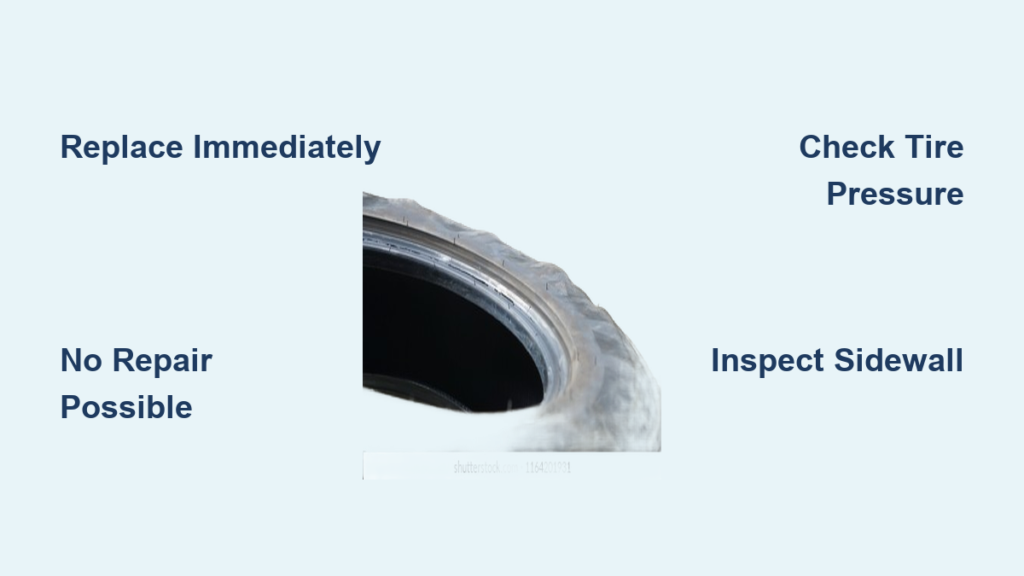
Finding a bulge on your tire sidewall creates immediate concern—especially when you’re searching how to fix bubble in tire. That soft, spongy protrusion isn’t just cosmetic damage; it signals serious internal failure where air has separated the tire’s structural layers. Many drivers mistakenly believe they can patch or plug a bubble like a tread puncture, but the reality is different. Unlike punctures in the tread area, a tire bubble means the sidewall’s internal cords and belts have broken, creating an irreversible weak spot. This guide explains exactly why repair isn’t possible, how to identify dangerous bubbles, and what to do immediately when you spot one—keeping you safe while saving you from costly mistakes.
Spot These Critical Tire Bubble Warning Signs
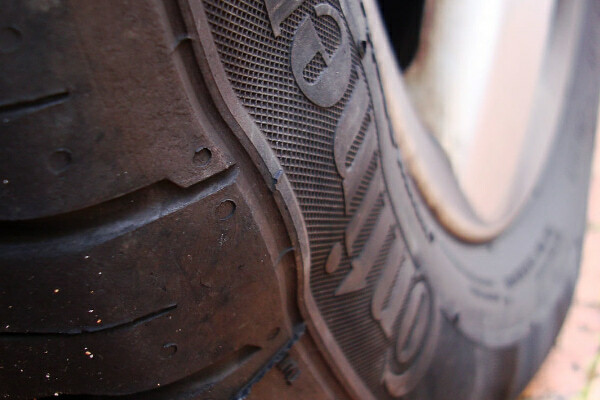
Detecting a bubble early prevents catastrophic failure on the road. Park your vehicle on level ground and walk around each tire, looking for any abnormal protrusions along the sidewall. A developing bubble appears as a smooth, rounded swelling that disrupts the tire’s uniform shape—often no larger than a golf ball initially but growing over time. Compare all four tires side-by-side; even subtle differences from normal appearance warrant closer inspection. When in doubt, run your palm firmly along the sidewall while rotating the tire slowly—bubbles feel distinctly softer than surrounding rubber, giving way like a deflated balloon under pressure.
Confirm Bubble Location and Severity
Pinpointing the bubble’s position determines your next steps. Sidewall bubbles (between tread edge and wheel rim) are always irreparable, while shoulder bubbles (where sidewall meets tread) carry similar risks. Measure the bubble’s size with your thumb—if it’s larger than a quarter, immediate replacement is urgent. Press gently on the affected area; if it feels hollow or produces a slight “give,” structural damage is confirmed. Document the bubble with photos showing its location and size for warranty claims. Never ignore even small bubbles; the U.S. National Highway Traffic Safety Administration links tire structural failures to approximately 11,000 crashes annually.
Identify Driving Symptoms Before Failure
Unexplained vibrations during acceleration often signal developing bubbles, especially when they intensify at highway speeds. Listen for rhythmic thumping sounds that match tire rotation speed—this indicates irregular tire shape from internal separation. Notice handling changes like steering wheel pull to one side or reduced stability when cornering. Check tire pressure daily; bubbles often cause gradual air loss without visible punctures. These symptoms mean your tire is failing—you shouldn’t drive more than a few miles to reach safety. Never ignore vibration or noise changes—they’re your last warning before blowout risk skyrockets.
Why Sidewall Bubbles Can’t Be Repaired Like Punctures
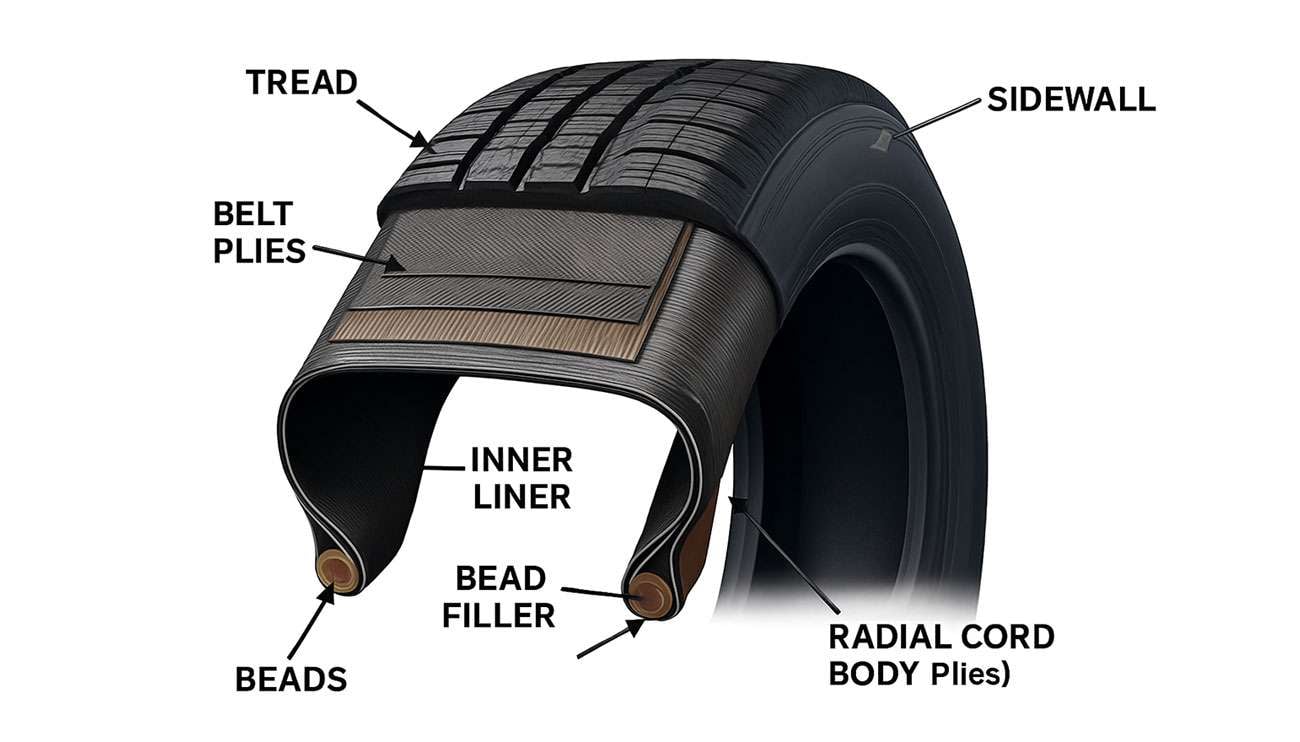
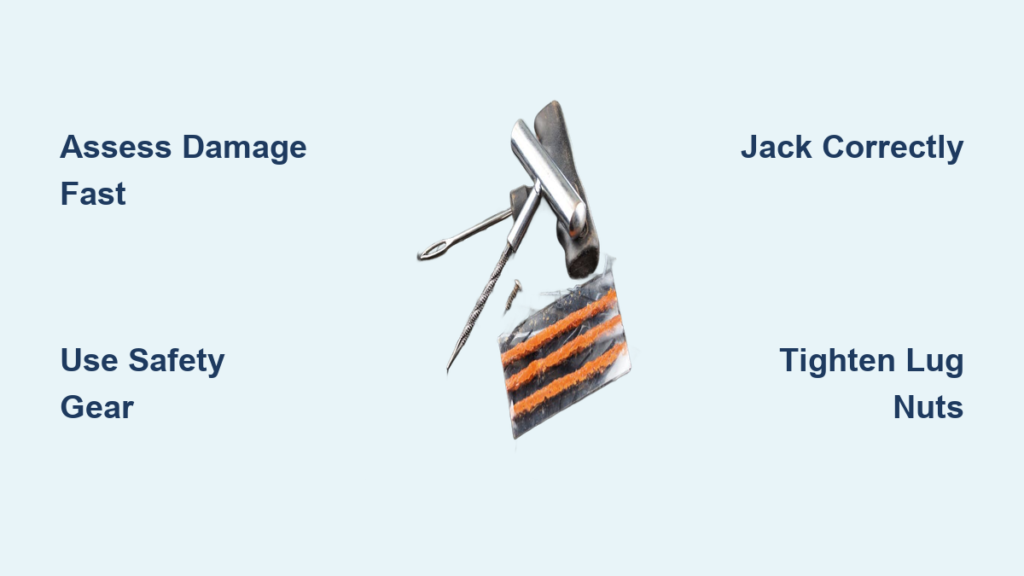
The fundamental reason you can’t fix bubble in tire lies in tire physics. Sidewalls flex constantly as your wheel rotates—up to 1,500 times per mile—creating movement that no repair material can withstand. Patch kits and sealants designed for tread punctures fail instantly on sidewalls because they don’t restore broken internal cords. Even professional plug-and-patch combinations only work on tread damage up to ¼ inch wide, where flexing is minimal. A bubbled sidewall has lost its structural integrity permanently; no amount of sealant rebuilds separated steel belts or polyester plies holding your tire together.
Understand Repair Limitations and Risks
Tire shops universally refuse to repair sidewall bubbles—not because they’re unwilling, but because safety standards forbid it. The Rubber Manufacturers Association explicitly states sidewall damage requires replacement, not repair. Attempting DIY fixes with epoxy, plugs, or internal patches creates false confidence while accelerating failure. These temporary “solutions” might hold air briefly, but the weakened area continues expanding under pressure until catastrophic rupture occurs—often at highway speeds when control loss is most dangerous. No legitimate tire professional will repair a bubble—if one offers, they’re risking your life for profit.
Replace Your Bubbled Tire Immediately—Here’s How
When you discover a bubble, your only safe action is immediate replacement. Drive no further than necessary to reach a safe location—ideally less than 1 mile at under 20 mph. Call roadside assistance or a tow truck rather than risking a blowout. At the tire shop, insist on replacing the damaged tire with one matching your vehicle’s specifications: same size, load index, speed rating, and tread pattern. Check your other tires’ wear; if they’re more than 50% worn, replace in pairs on the same axle to prevent handling imbalances. For all-wheel-drive vehicles, replace all four tires to avoid drivetrain damage from mismatched circumferences.
Budget Smartly for Replacement Without Surprises
Know these cost components before buying:
– Tire price: $100-$400 depending on vehicle type (economy cars $100-$200, SUVs $150-$350)
– Installation: $20-$50 (often included in tire price)
– Valve stems: $5-$15 (replace with new tire)
– Disposal fee: $5-$10 per tire
Ask if the shop honors manufacturer warranties—bubbles from defects (not impact damage) may qualify for free replacement. Check your tire’s DOT code; bubbles appearing within first 2 years often indicate manufacturing flaws. Bring your purchase receipt to verify warranty eligibility. While costs add up, they’re minimal compared to accident expenses—blowouts cause average insurance claims exceeding $3,000 plus potential injury costs.
Prevent Future Bubbles With These Proven Tactics

Avoid the most common bubble cause—pothole and curb impacts—by scanning roads 12-15 seconds ahead. When hazards are unavoidable, reduce speed before impact rather than braking during contact. Maintain proper tire pressure using your vehicle’s door jamb specification (not the tire’s max PSI), checking monthly with a digital gauge. Underinflated tires flex excessively, weakening sidewalls; overinflated tires transfer too much impact force to internal structures. Inspect tires monthly for early damage signs, especially after hitting road debris.
Implement These Maintenance Essentials
- Rotate tires every 5,000-8,000 miles to catch developing bubbles early
- Check wheel alignment annually or after major impacts (misalignment stresses tires unevenly)
- Replace worn suspension components like shocks and struts that increase impact forces
- Park away from curbs to prevent accidental sidewall scraping
- Store vehicles properly during long periods—maintain correct pressure and avoid direct sunlight
Tires older than six years become increasingly vulnerable as rubber compounds degrade. Check your tire’s manufacture date (last four digits of DOT code indicate week/year made). Even with good tread, age-related deterioration makes bubbles more likely in older tires.
Final Safety Checklist Before Driving
Before hitting the road, verify these critical points:
– No driving on bubbled tires—any distance risks blowout
– Replacement matches OEM specifications exactly
– All tires properly inflated to vehicle manufacturer’s PSI
– Wheel alignment checked if bubble resulted from impact
– Suspension components inspected for related damage
A tire bubble isn’t a “wait-and-see” issue—it’s a ticking time bomb. Size doesn’t matter; even small bubbles indicate complete structural failure in that section. The only legitimate answer to how to fix bubble in tire is tire replacement. Regular inspections, proper inflation, and hazard avoidance prevent most bubbles, but when they occur, prioritize safety over cost. Your life isn’t worth risking for a few extra miles on a compromised tire—replace immediately and drive with confidence knowing your tires can handle the road ahead.