You’re driving down the highway when you start hearing a rhythmic thumping or humming noise that seems to get louder as you accelerate. The steering wheel might even vibrate slightly. This unsettling sound could be caused by tire cupping – a specific type of uneven tire wear that creates that distinctive “cupping sound” drivers often describe. Unlike normal tire noise, cupping produces a regular thump-thump pattern that corresponds with your tire’s rotation. Ignoring this issue won’t make it go away; in fact, the sound will typically worsen over time while causing additional damage to your tires, suspension, and steering components. In this guide, you’ll learn how to identify tire cupping by sound, understand its common causes, and discover actionable steps to stop that annoying noise before it leads to costly repairs.
Identifying Tire Cupping Through Sound Patterns
How Tire Cupping Creates That Distinctive Thumping Noise
Tire cupping generates noise through a mechanical process where unevenly worn tire surfaces contact the road. As your vehicle moves, the “cups” or scalloped dips in your tire tread hit the pavement at regular intervals, creating a rhythmic thumping sound that increases in frequency with your speed. This isn’t a constant hum like typical tire noise – it’s a distinct pulsing sound that often feels like it’s coming from a specific wheel well. The sound frequency directly corresponds to your tire’s rotation speed, meaning you’ll hear more thumps per second as you accelerate. When cupping affects multiple tires, the sounds can overlap, creating a more complex noise pattern that might be mistaken for other issues.
Differentiating Cupping Sound From Other Tire Problems
The cupping sound has unique characteristics that distinguish it from other common tire issues. Unlike a simple wheel balance problem that typically causes vibration felt through the steering wheel at specific speeds, cupping produces an audible rhythmic noise even when you’re not feeling significant vibration. A failing wheel bearing usually creates a consistent growling or grinding noise that intensifies with speed but lacks the distinct rhythmic pattern of cupping. If you hear a steady hum that changes with road surface, you’re likely dealing with regular tire noise rather than cupping. The key identifier for cupping is that the sound follows a precise rhythm matching your tire’s rotation – put your vehicle in neutral while coasting (safely, of course) and you’ll notice the thumping continues at the same rhythm even when engine power is disengaged.
Common Causes Behind Tire Cupping Sounds
Worn Suspension Components Triggering Cupping
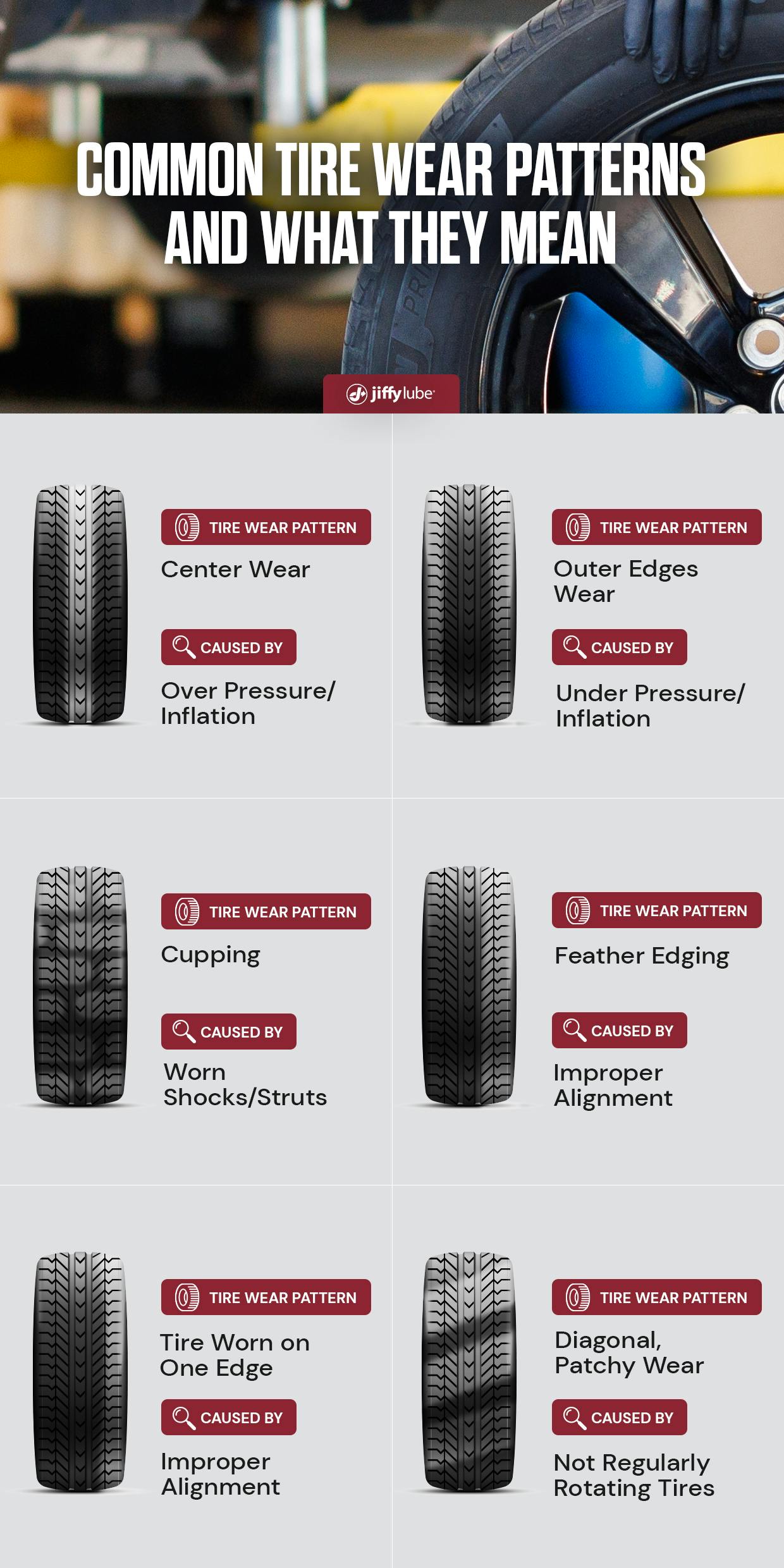
Your vehicle’s suspension system plays a critical role in maintaining consistent tire contact with the road. When shock absorbers or struts wear out, they lose their ability to keep tires firmly planted on uneven surfaces. This allows the tire to momentarily lose contact with the road and then slam back down, creating the scooped wear pattern we call cupping. Worn ball joints or control arm bushings can have similar effects, as they introduce play into the suspension that prevents proper tire alignment during driving. These components typically wear gradually, which explains why cupping often develops slowly before suddenly becoming noticeable through that distinctive sound.
Improper Tire Inflation and Rotation Practices
Maintaining proper tire pressure is essential for preventing cupping. Underinflated tires flex excessively at the sidewalls, creating uneven pressure distribution across the tread that leads to irregular wear patterns. Overinflated tires concentrate wear in the center of the tread, but can also contribute to cupping when combined with other factors like poor alignment. Equally important is following a regular tire rotation schedule – most manufacturers recommend rotating tires every 5,000-7,500 miles. Neglecting rotations allows specific tires to develop wear patterns that can evolve into cupping, especially on drive wheels that experience more torque and braking forces.
Step-by-Step Diagnosis of Tire Cupping Sounds
Performing a Visual Tire Inspection for Cupping
Before you can address the cupping sound, you need to confirm cupping is actually the culprit. Park your vehicle on level ground and set the parking brake. Begin by visually examining each tire’s tread surface under good lighting. Cupping appears as a series of scooped-out dips or “waves” around the circumference of the tire, typically spaced evenly around the tread. Run your hand across the tread in the direction of rotation – you should feel distinct high and low spots rather than a smooth surface. Check both the inner and outer edges of the tread, as cupping often affects one side more severely than the other. If you find these characteristic wear patterns matching your thumping sound, you’ve confirmed tire cupping as the source.
Checking Suspension Components for Wear
With cupping visually confirmed, the next step is checking your suspension. You’ll need to safely lift and support your vehicle using jack stands. Once elevated, grasp each tire at the 12 and 6 o’clock positions and try to wiggle it vertically. Excessive movement indicates worn ball joints or other suspension components. Repeat by grasping the tire at 3 and 9 o’clock positions to check for wheel bearing issues. For shock absorbers, press down firmly on each corner of your vehicle and release – the vehicle should rebound once and settle, not continue bouncing. If you notice fluid leaks on your struts or shocks, these components are definitely worn out and need replacement.
Effective Solutions to Eliminate Tire Cupping Sounds

Replacing Worn Suspension Parts Before Installing New Tires
Simply replacing cupped tires without addressing the underlying cause is a temporary fix that will lead to the same problem recurring. If your inspection revealed worn suspension components, replace those first. Focus on shock absorbers or struts, as these are the most common culprits behind cupping. Ball joints, control arm bushings, and sway bar links may also need replacement depending on your findings. After installing new suspension parts, have your vehicle’s alignment checked and adjusted as necessary. Only then should you install new tires and establish a regular rotation schedule to prevent recurrence. This comprehensive approach might cost more upfront but saves money long-term by ensuring your new tires wear evenly.
Proper Tire Maintenance Practices to Prevent Future Cupping
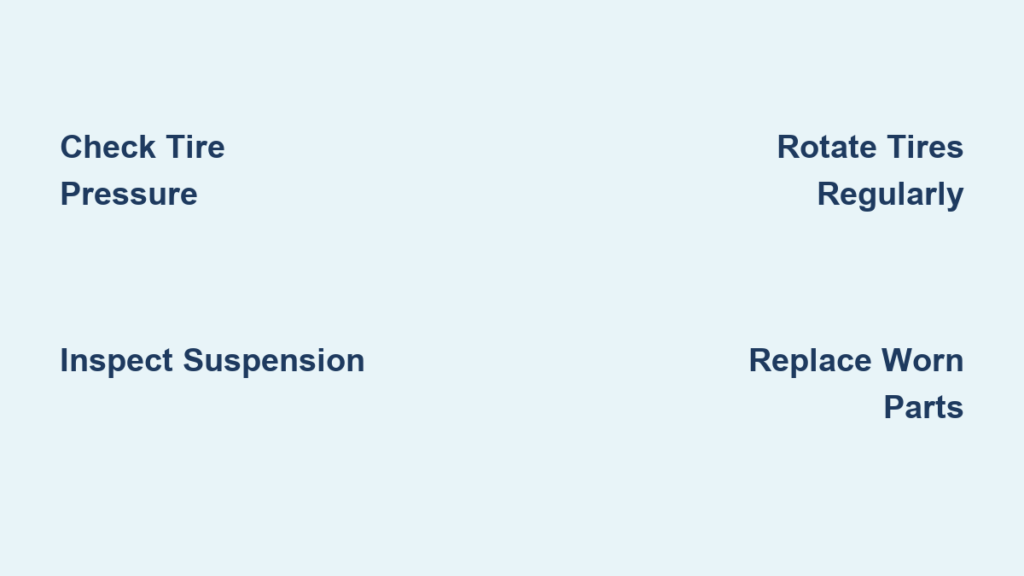
Preventing cupping sounds from returning requires consistent maintenance habits. Check your tire pressure monthly using an accurate gauge, adjusting to the vehicle manufacturer’s recommended PSI found on the driver’s side door jamb sticker. Don’t rely solely on the tire sidewall’s maximum pressure rating. Rotate your tires every 5,000 miles or as specified in your owner’s manual, following the rotation pattern recommended for your drivetrain (front-wheel, rear-wheel, or all-wheel drive). During oil changes, ask your technician to inspect your suspension components for early signs of wear. Consider investing in higher-quality tires with stiffer sidewalls, as these resist the flexing that can contribute to cupping on rough roads.
When to Seek Professional Help for Persistent Cupping Sounds
Recognizing Complex Alignment Issues Beyond DIY Fixes
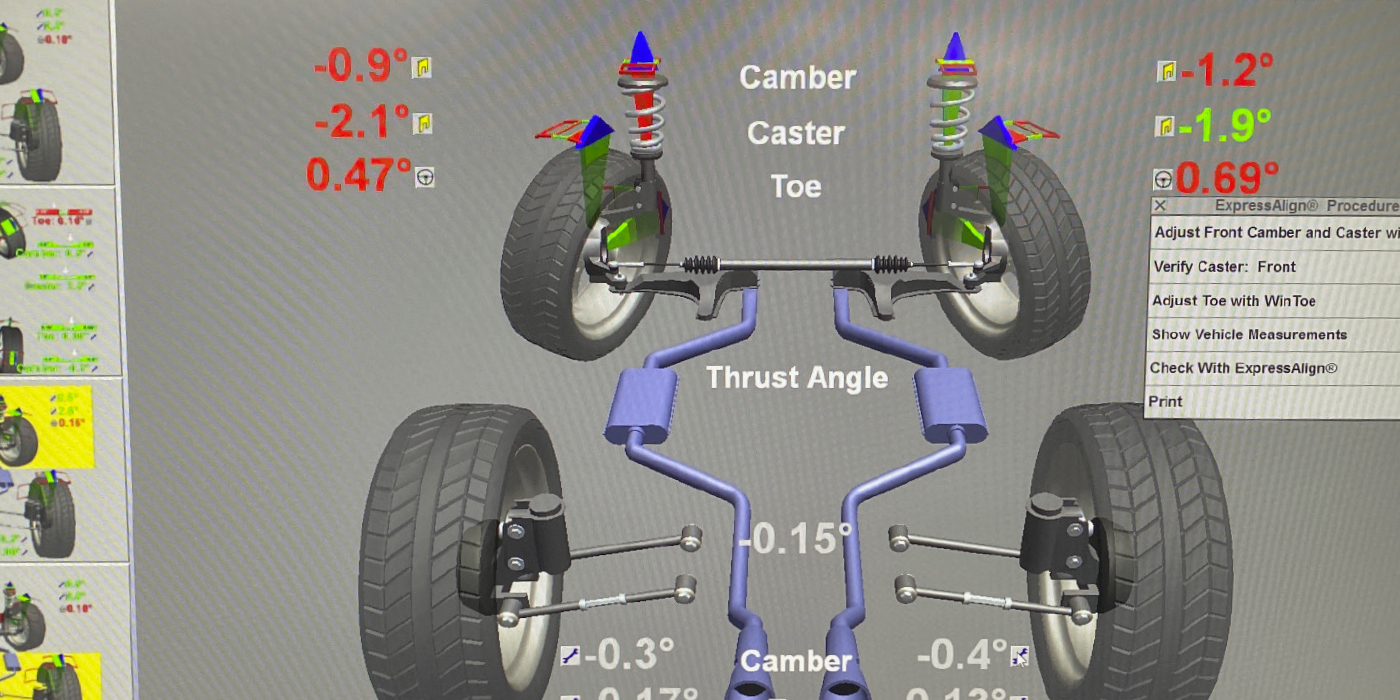
While basic suspension repairs can be handled by skilled DIYers, certain cupping scenarios require professional expertise. If your cupping sound returns shortly after replacing suspension components and tires, you likely have an alignment issue beyond simple toe or camber adjustments. Modern vehicles often have complex multi-link suspensions with precise geometry requirements that need specialized equipment to diagnose and correct. Performance vehicles or those that have been in accidents may have subtle frame or subframe misalignments causing persistent cupping. In these cases, a specialist with advanced alignment equipment and experience with your specific vehicle model can identify and correct issues that would be impossible to address with standard DIY methods.
Cost-Benefit Analysis of Repairing vs. Replacing Cupped Tires
Determining whether to repair or replace cupped tires depends on several factors. If cupping is mild and caught early, replacing the faulty suspension components may allow the tires to wear more evenly going forward, though the sound might persist until significant wear occurs. However, once cupping becomes severe, the tire’s structural integrity is compromised, making replacement necessary regardless of suspension repairs. Consider your tires’ overall tread depth – if they’re more than halfway worn, replacement is usually more cost-effective than trying to salvage them. Remember that attempting to balance severely cupped tires won’t eliminate the sound, as the problem stems from physical wear patterns rather than weight distribution.
Long-Term Prevention Strategies for Quiet, Smooth Tire Performance
Establishing a comprehensive tire care routine prevents most cupping issues before they start. Begin with monthly tire pressure checks when tires are cold, as pressure changes with temperature. Implement a strict tire rotation schedule, even if you don’t notice uneven wear. During seasonal tire changes, have a technician inspect your suspension components for early signs of wear. Consider your driving environment – if you frequently encounter rough roads, you might benefit from upgraded shock absorbers designed for harsh conditions. Finally, pay attention to early warning signs like slight vibrations or subtle changes in road noise, as addressing issues at the first sign can prevent the development of full-blown cupping and that persistent thumping sound.