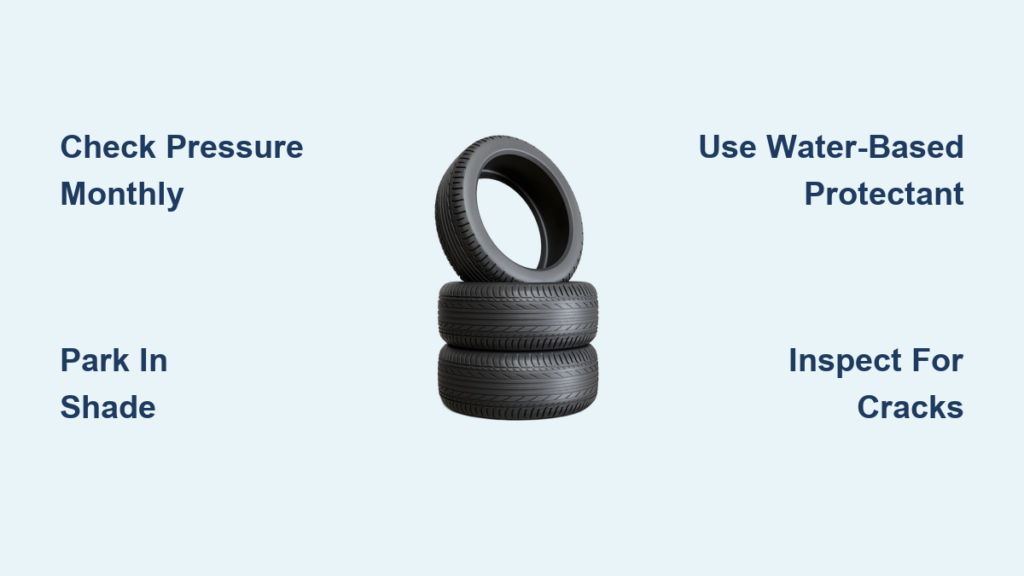
That unsettling sight of tiny cracks spiderwebbing across your tire’s sidewall isn’t just unsightly—it’s a serious safety hazard waiting to happen. When rubber begins to dry rot, your tire’s structural integrity fails, dramatically increasing the risk of sudden blowouts that can cause accidents at any speed. The harsh truth is that dry rot affects every tire eventually, but implementing the right prevention techniques can add years to your tire’s service life and keep you safer on the road. Learning how to keep a tire from dry rotting isn’t just about saving money on premature replacements; it’s about protecting yourself and your passengers from potentially catastrophic failures that often strike without warning.
Modern tires contain protective compounds like carbon black to resist UV damage and specialized waxes that redistribute during normal driving, but these defenses gradually diminish over time. Whether your vehicle sits idle for weeks or logs daily miles, the rubber will eventually begin to break down. However, consistent preventive measures can significantly slow this natural deterioration process. This guide reveals the exact steps you need to take to protect your tires from dry rot, based on proven methods that work for daily drivers, vintage cars, and seasonal vehicles alike.
Spot Early Dry Rot Before It’s Too Late

Catching dry rot in its initial stages gives you the best chance to implement preventive measures before complete replacement becomes necessary. The earliest warning signs appear as tiny, hairline cracks on the tire’s sidewall—often so small they’re difficult to see from a distance. Get into the habit of running your fingers along the sidewall during monthly inspections; healthy rubber should feel slightly flexible, while dry rotting rubber feels unnaturally hard and may flake off when touched.
Discoloration serves as another critical early indicator that your tire’s protective compounds are breaking down. A healthy tire maintains a deep, rich black color, but as dry rot develops, the rubber fades to a dull gray. This color change signals that the tire’s essential oils and plasticizers are evaporating, leaving the rubber brittle and vulnerable. Pay special attention to tires that have been exposed to direct sunlight for extended periods, as UV rays accelerate this fading process.
When cracks exceed 1/32 of an inch (about the thickness of a nickel), your tire has likely reached the point where replacement is necessary for safety reasons. At this stage, the structural integrity is compromised enough that leaks or blowouts become probable during normal driving conditions. Check your tire’s manufacturing date code (the last three or four digits in the DOT number on the sidewall) to determine age—most manufacturers recommend replacement after six to ten years regardless of visible condition.
Maintain Perfect Tire Pressure Year-Round
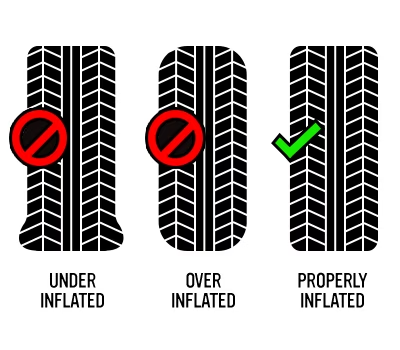
Proper inflation represents your single most effective defense against dry rot development. Underinflated tires generate excessive heat through increased sidewall flexing and friction, which accelerates rubber degradation and creates stress points where cracks begin to form. Check your tire pressure monthly with an accurate gauge (never rely solely on dashboard warning lights), ensuring you meet the vehicle manufacturer’s specifications found on the driver’s door jamb sticker or in your owner’s manual.
The ideal time to check pressure is when tires are cold—before driving or at least three hours after stopping—since heat from driving increases internal air pressure. Temperature fluctuations significantly impact tire pressure, with each 10-degree Fahrenheit change causing approximately 1 PSI shift. During seasonal transitions, monitor pressure more frequently to maintain optimal levels that prevent both underinflation damage and overinflation wear.
When inspecting tires, look for signs of uneven wear or bulging that might indicate improper inflation. Pay special attention to spare tires, which often sit neglected for years at incorrect pressure levels. A properly inflated spare tire maintains its protective compounds much longer than one that’s chronically underinflated, potentially saving you from dangerous situations when you actually need it.
Block UV Radiation With Strategic Parking
Sunlight’s ultraviolet rays are tire rubber’s worst enemy, breaking down molecular bonds and accelerating dry rot even when your vehicle is parked. The solution requires simple but consistent parking strategies that minimize exposure. Whenever possible, park your vehicle in a garage or shaded area—this single action can double or triple your tire’s service life by dramatically slowing UV degradation.
For vehicles without garage access, quality tire covers provide essential UV protection. Unlike cheap vinyl covers that can trap moisture, opt for breathable fabric covers designed specifically for tire protection. These covers should fit snugly but not tightly, allowing air circulation while blocking harmful rays. When storing classic cars or seasonal vehicles for extended periods, cover the entire vehicle in addition to using tire covers for maximum protection.
Consider this real-world example: some vintage car owners have documented original tires remaining serviceable after 37 years simply by keeping them protected from sunlight. While modern tires may not achieve such longevity, the principle remains the same—consistent UV protection dramatically extends tire life. Even parking your vehicle with tires facing away from direct afternoon sun can reduce UV exposure by up to 50% compared to full sun exposure.
Clean Tires the Right Way Every Month
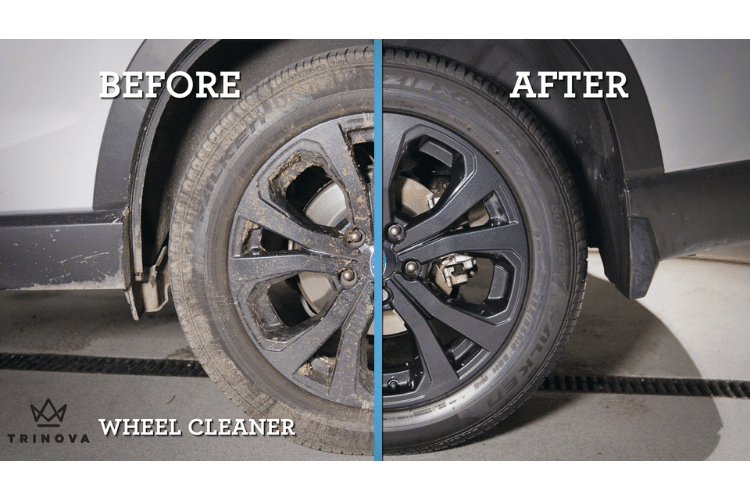
The cleaning products you use directly impact your tire’s resistance to dry rot. Petroleum-based cleaners and protectants strip away the tire’s natural weathering agents, accelerating deterioration rather than preventing it. Instead, wash tires monthly with water and a mild dish soap like Dawn or Palmolive using a soft brush, followed by a thorough rinse. This simple routine removes harmful road chemicals without introducing damaging substances.
Avoid popular tire dressings and household cleaners like 409 or Fantastic, which contain solvents that break down rubber compounds. If you desire a protectant, choose water-based formulas with UV inhibitors—products like 303 Aerospace Protectant have been proven effective without harming rubber. When applying protectants, ensure complete coverage but avoid overspray on wheel surfaces, which can create braking hazards.
Many tire professionals emphasize that silicone-based protectants require special attention: they must be completely removed before driving, as residue on tire surfaces compromises traction. After cleaning, inspect tires for any remaining protectant residue—your fingers should glide smoothly over the surface without sticking. This monthly ritual not only maintains appearance but actively preserves the tire’s protective compounds against dry rot.
Store Idle Vehicles Properly for Longevity
Vehicles that sit unused for extended periods face accelerated dry rot because tires rely on regular use to redistribute their internal protective compounds. For cars stored longer than three months, position the vehicle on jack stands to remove weight from the tires—this prevents flat spots and eliminates constant compression that degrades rubber at the contact patch. If jack stands aren’t practical, place boards or rubber mats under tires to create a barrier against ground moisture.
Reposition stored vehicles every three months by moving them at least a few feet to shift weight distribution across different tire areas. For vehicles that can be driven, operate them at least once a month for 15-20 minutes to generate the heat and flexing that redistributes protective waxes throughout the rubber. This brief drive serves dual purposes: maintaining tire flexibility while also keeping your vehicle’s other systems operational.
Store vehicles in clean, dry environments away from ozone sources like electric motors, battery chargers, or welding equipment. If garage space is limited, consider tire-specific storage solutions like black plastic bags in dark basements at consistent temperatures—though even optimal storage only slows, not stops, the natural drying process.
Replace Dry Rot Tires Before They Fail
Despite your best prevention efforts, dry rot represents a natural process that cannot be permanently stopped—only delayed. When cracks become visible, the tire’s structural integrity has already been compromised, and catastrophic failure can occur without warning. Don’t gamble with tires showing significant dry rot; replace them promptly regardless of remaining tread depth.
The manufacturing date code on your tire sidewall provides crucial information for determining replacement timing. Tires older than six years should receive professional inspection annually, while those exceeding ten years generally require replacement regardless of visible condition. When cracks exceed 1/32 inch in width, immediate replacement becomes essential for safety—this measurement represents the threshold where blowout risk increases substantially.
Budget for timely tire replacement as part of responsible vehicle ownership. The cost of new tires pales in comparison to potential accident expenses or, worse, injury risks from tire failure. Remember that prevention strategies extend service life but cannot eliminate the eventual need for replacement—regular inspection and proactive replacement remain your ultimate safeguards against dry rot-related failures.
Preventing tire dry rot requires consistent attention to inflation, UV protection, proper cleaning, and strategic storage. By implementing these evidence-based methods, you’ll maximize your tire investment while ensuring the safety performance that reliable tires provide. Start with one change today—check your tire pressure or invest in quality tire covers—and build these practices into your regular vehicle maintenance routine. Your future self will thank you when your tires remain supple and safe years down the road.