Few things frustrate car owners more than discovering glossy tire dressing splattered across freshly washed paint. That high-gloss shine meant to make your tires look brand new has somehow found its way onto your door panels, quarter panels, and possibly even your roof—leaving behind a greasy, hazy mess that regular washing simply won’t touch. Whether you applied the tire shine yourself and hit the road too quickly, or a well-meaning tire shop slathered your tires without your consent, the result is the same: unsightly stains that seem bonded to your car’s finish. The good news is that tire shine overspray is almost always removable, and with the right approach, you can restore your paint to its original condition without professional intervention.
This guide walks you through every proven removal method, from gentle clay bar treatment to more aggressive compounding techniques, along with chemical solutions that break down even stubborn silicone-based dressings. We’ll also cover prevention strategies so you can avoid this problem going forward, plus special considerations for white and light-colored vehicles where staining shows most dramatically. By the end, you’ll have a complete toolkit for tackling tire shine on any automotive finish.
Identify Your Tire Shine Type Before Starting
Before grabbing any products or tools, take a few minutes to properly assess what you’re dealing with. The severity and age of the contamination largely determine which removal method will work best, so understanding exactly what you’re up against saves time and prevents unnecessary work on your vehicle’s finish.
Start by examining the affected areas under both direct sunlight and shade to identify all problem spots—some stains only become visible from certain angles. Run your fingertips lightly across the stained areas to determine whether the tire shine is still tacky or has fully dried. Fresh tire shine that hasn’t cured yet often washes away with strong car wash soap and a thorough scrub, while dried or cured dressing requires more aggressive intervention. If you know what type of tire shine was used, that information helps you choose the appropriate solvent—silicone-based dressings respond differently to chemicals than water-based alternatives.
Also consider how long the contamination has been sitting on your paint. Forum discussions reveal that tire shine left for days or weeks becomes increasingly difficult to remove as it bonds with the clear coat surface. Stains that have cured for months may require multiple treatment approaches, combining chemical softening with mechanical removal. Document the extent of the staining with photos if needed, as this helps track your progress through the removal process and provides a reference point if you eventually seek professional help.
Remove Surface Contamination with Clay Bar Treatment
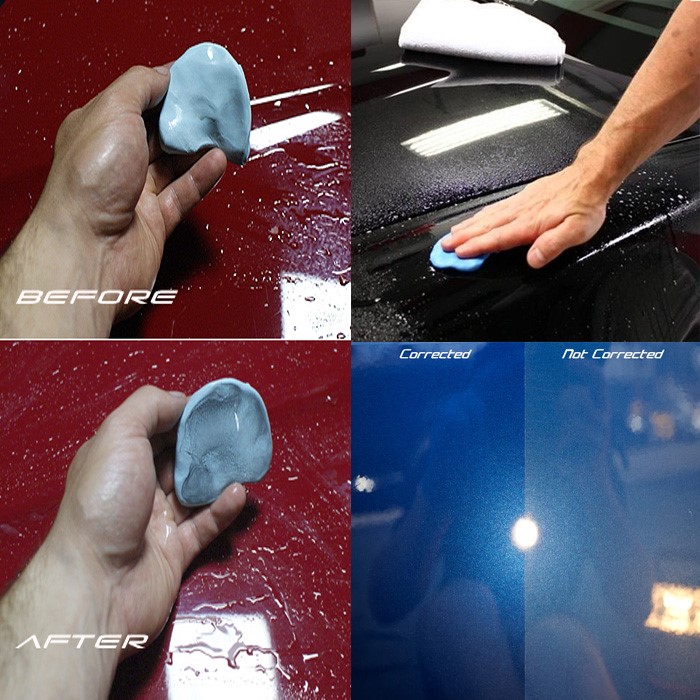
The clay bar represents the most effective first-line defense against tire shine contamination, and for many cases, it’s all you’ll need. This malleable compound physically bonds with and extracts embedded contaminants from your clear coat without removing any paint, making it both safe and highly effective for surface-level staining.
The process requires a quality clay bar or poly clay alternative, plus a dedicated clay lubricant or diluted car wash solution. Working in small sections, flatten a small piece of clay into a disc and glide it across the lubricated surface using straight-line motions rather than circular ones. Listen for the slight grabbing sensation that indicates the clay is picking up contamination—this is normal and shows the process is working. As the clay becomes saturated with extracted residue, fold and knead it to expose a clean surface before continuing.
Poly clay sponges or mitts offer a more beginner-friendly alternative to traditional clay bars. These synthetic options trap contaminants inside rather than requiring constant kneading, and they’re generally more forgiving if dropped or used with too little lubrication. After claying the entire affected area, the paint should feel remarkably smooth to the touch, like glass. Wash and dry the surface afterward to remove any remaining residue, then inspect to determine whether additional treatment is necessary.
When to Replace Your Clay Bar During Treatment
Clay bars become ineffective when they’re saturated with extracted contaminants. You’ll know it’s time to replace the clay when it stops grabbing at the surface and begins to glide smoothly. For severe contamination, you may need to replace the clay multiple times during a single session. Keep a clean microfiber towel nearby to wipe the surface between clay passes—this reveals your progress and shows whether you need to continue with the same section or move to another area.
Apply Rubbing Compound for Embedded Tire Shine
When clay bar treatment fails to fully remove the tire shine, mechanical polishing with rubbing compound becomes necessary. This approach involves physically abrading a microscopic layer of clear coat along with the embedded contamination, effectively sanding out the stained portion of the finish.
Apply a small amount of compound to a foam or microfiber applicator pad and work it into the affected area using moderate pressure in overlapping circular motions. Work in small sections no larger than two square feet, frequently checking your progress by wiping away compound residue. For light to moderate staining, a finishing polish rather than a heavy compound may suffice, as these less aggressive products remove less material while still addressing surface imperfections.
Dual-action polishers provide consistent results with less risk of damaging the paint compared to rotary polishers, though hand application with a foam applicator can achieve satisfactory results for small areas. After compounding, thoroughly wash and dry the area before applying fresh wax or sealant to restore protection. Remember that each compounding session removes a thin layer of clear coat, so use this approach sparingly and focus on the most affected areas rather than entire panels.
Break Down Oils with Automotive Degreasers
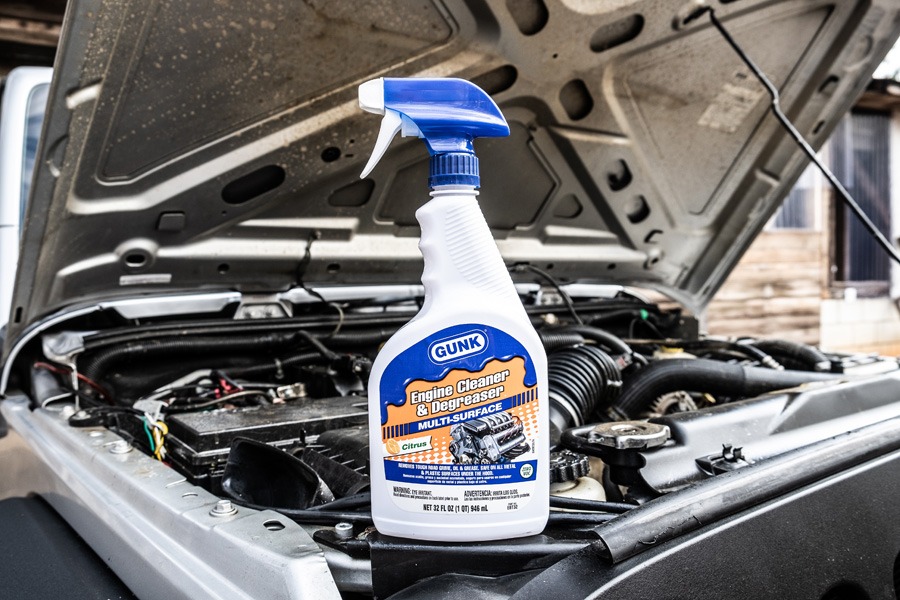
Chemical degreasers excel at breaking down the oils and silicones that give tire shine its characteristic gloss, allowing residue to be wiped or rinsed away rather than requiring mechanical removal. The right degreaser, used properly, can significantly reduce the elbow grease required for stubborn stains.
Quality all-purpose cleaners diluted according to package directions work well for moderate contamination. Spray the solution onto affected areas, allow it to dwell for several minutes, then agitate with a wash mitt or soft brush before rinsing thoroughly. For more severe staining, concentrated degreaser applied directly to the stain provides additional cleaning power, though this requires careful monitoring to prevent damage to surrounding trim or rubber components.
Specific products that have proven effective include Simple Green, which offers strong degreasing action with relative safety on automotive surfaces when properly diluted. Orange degreaser provides more aggressive citrus-based solvents that cut through greasy residue effectively. Purple Power degreaser, available at most automotive retail stores, offers industrial-strength cleaning for the most stubborn cases. Always test any chemical on an inconspicuous area first, and work in a well-ventilated space to avoid inhaling fumes. After degreaser application, thorough rinsing followed by a final wash with car wash soap removes any chemical residue that could interfere with subsequent detailing steps.
Use Bug and Tar Remover for Stubborn Silicone-Based Stains
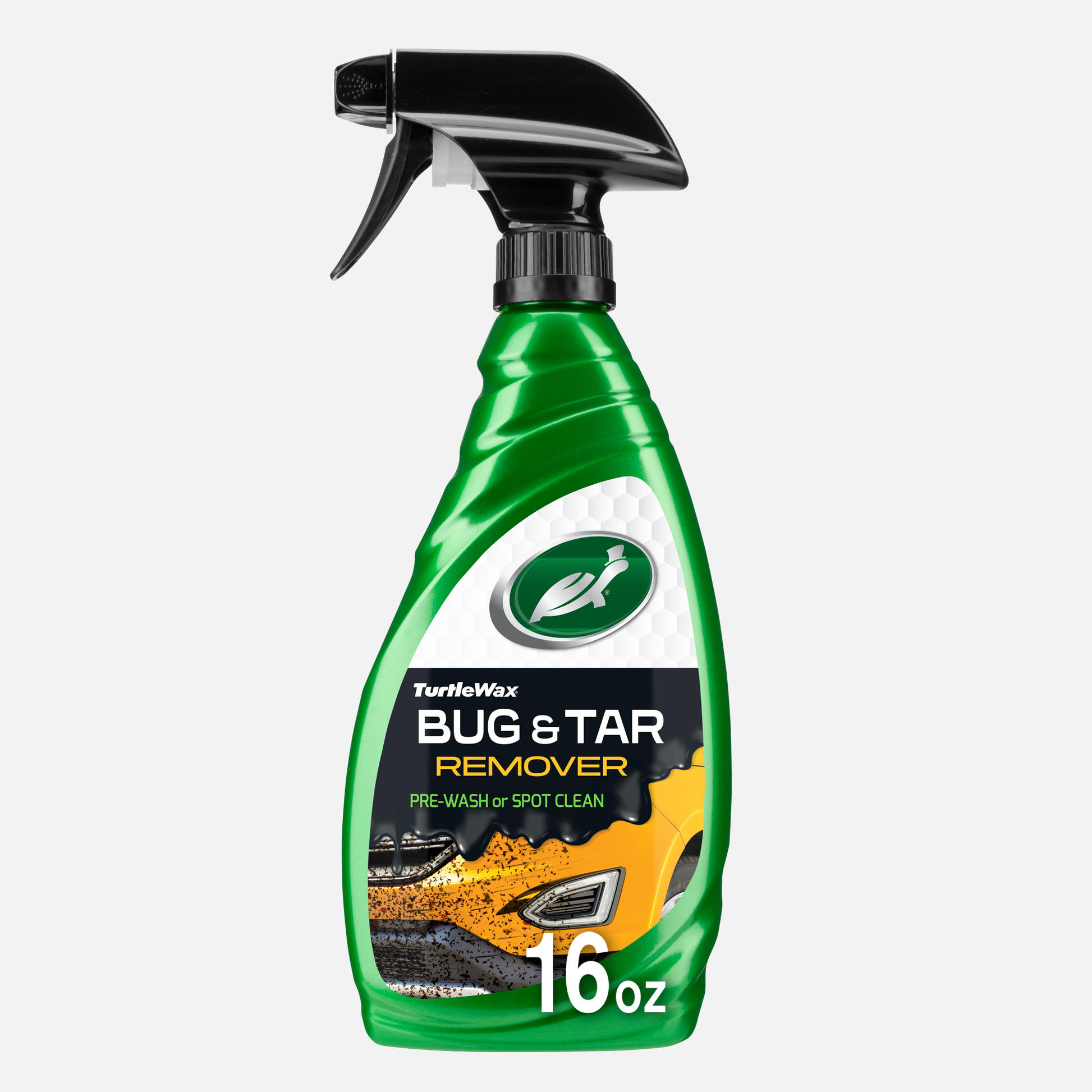
Tire shine made with silicone-based formulas creates particularly challenging stains that respond best to dedicated bug and tar removers. These products are specifically formulated to dissolve organic contaminants while remaining safe for automotive paint.
Spray Turtle Wax Bug & Tar Remover (or similar product) directly onto the affected area and allow it to dwell for 3-5 minutes. Don’t let it dry on the surface—reapply if necessary to keep the area wet. Use a soft microfiber towel to wipe away the dissolved residue, working in straight lines rather than circles. For heavy contamination, multiple applications may be necessary, with thorough rinsing between treatments.
Bug and tar removers work by breaking down the chemical bonds in tire shine, making them far more effective than regular car wash soap for cured or embedded stains. They’re especially valuable for white and light-colored vehicles where silicone-based dressings cause noticeable yellowish discoloration known as “photo spotting.”
Prevent Future Tire Shine Contamination
The most effective approach to tire shine problems is preventing them from occurring in the first place. Proper application technique and product selection dramatically reduce sling potential and eliminate the need for corrective work.
Allow adequate drying time before driving—most professionals recommend waiting at least fifteen to thirty minutes after application, with solvent-based products requiring even longer. During this period, the dressing fully penetrates the tire rubber rather than remaining on the surface where centrifugal force can fling it onto your paint. Wiping off excess product with a clean microfiber towel after application ensures only absorbed dressing remains. Applying directly to an applicator pad rather than spraying onto the tire surface provides better control and limits overspray.
Product selection matters enormously. Water-based tire dressings have largely replaced solvent-based options among detailing enthusiasts because they dry completely rather than remaining wet and transferable. Specific products receiving consistent praise include Chemical Guys VRP, Zaino Z-16, Carpro Perl, and XSling, all of which dry to the touch rather than remaining greasy. These water-based options virtually eliminate the sling problem while providing excellent tire appearance. Regular washing after highway driving—particularly following tire shine application—catches any sling material before it cures or bonds to the surface.
Special Approach for White and Light-Colored Vehicles
White and light-colored vehicles face unique challenges with tire shine staining, requiring extra care and attention to achieve satisfactory results. The discoloration caused by silicone-based dressings, often called “photo spotting,” appears far more dramatically against light paint and may present as yellowish or brownish staining that ruins the clean appearance these vehicles typically maintain.
Start with the least aggressive removal methods when tackling white paint, as any compounding that removes clear coat becomes more visible against light colors. Clay bar treatment should be your first approach, and only move to compounding if absolutely necessary. Some silicone-based tire shine products actually carry warnings about potential effects on white or light-colored vehicles, underscoring the importance of prevention through product selection. Water-based dressings become essential rather than optional for these vehicles.
Professional paint correction may prove a worthwhile investment for white vehicles with significant staining, as experienced detailers understand how to achieve uniform results across panels where staining has been non-uniform. The clear coat on white-painted vehicles is often the same thickness as on darker cars, but any imperfection or uneven correction shows more readily. After successful removal, maintaining a fresh coat of quality wax or sealant provides ongoing protection that makes future contamination easier to address before it bonds.
Remove Tire Shine from Glass Surfaces Safely
Tire shine contamination on glass presents different challenges than painted surfaces, though the methods for addressing it differ significantly. Glass is far more resistant to chemical damage than clear coat, but standard glass cleaners often prove ineffective against dried tire dressing residue.
Melamine foam products like Mr. Clean Eraser have demonstrated effectiveness for glass surfaces, working through physical abrasion rather than chemical action. Unlike painted surfaces, glass can withstand this mild abrasion without damage. Simply dampen the melamine foam slightly and rub across the affected area until the residue is removed, rinsing frequently to prevent smearing.
For more stubborn glass contamination, dedicated automotive glass polishes work with foam polishing pads to remove both contamination and any light scratches that may have accumulated. Bug and tar removers generally prove safe for glass surfaces and can supplement your efforts. After removing tire shine from glass, a thorough cleaning with quality glass cleaner eliminates any chemical residue and leaves the surface streak-free. Applying a rain-repellent product after cleaning helps future contamination bead up and shed more easily during normal driving.