Nothing ruins your vehicle’s pristine appearance faster than discovering stubborn black tire marks streaked across your paint. Whether from an 18-wheeler’s debris on the highway, track day rubber buildup, or daily road contamination, these unsightly streaks bond stubbornly to your clear coat. Unlike ordinary dirt that rinses away, tire rubber forms molecular bonds with your paint that resist standard washing. The longer these marks sit untreated, the deeper they cure into your finish, transforming what should be a simple cleanup into a major restoration project.
You’ll be relieved to know that effective solutions exist right now to remove these frustrating marks without damaging your paint. This guide reveals proven methods—from household items to professional compounds—that actually work. You’ll discover why tire marks resist normal washing, which products deliver real results, when to tackle the job yourself versus calling a pro, and how to prevent future rubber accumulation. Most importantly, you’ll gain a clear action plan to restore your car’s showroom shine quickly and safely.
Why Standard Washing Fails to Remove Tire Marks
Tire rubber creates uniquely stubborn marks because manufacturers engineer tires specifically to grip road surfaces through friction. This means tire compounds contain sticky polymers and oils designed to transfer onto contact surfaces—exactly what happens when rubber strikes your paint. When tire fragments hit your vehicle at highway speeds or spinning wheels spray particles onto your panels, these compounds embed themselves into your clear coat at a molecular level.
Standard washing fails completely because soap and water cannot break the chemical bonds between rubber molecules and paint surfaces. Power washers and scrub brushes often worsen the problem by pushing contamination deeper into paint pores or creating micro-scratches that become visible once the rubber lifts. The critical mistake many car owners make is immediately reaching for harsh chemicals without understanding why gentler approaches work better for fresh marks.
How Rubber Bonds to Your Paint Over Time
Tire marks transform from surface contamination to embedded damage through three distinct stages:
– Fresh marks (0-24 hours): Rubber remains on the surface and responds well to mild solvents
– Cured marks (1-7 days): Rubber begins bonding with clear coat, requiring stronger solvents
– Aged marks (1+ weeks): Rubber penetrates deeply, often needing compound correction after chemical removal
The most successful removal happens within 24 hours before the rubber fully cures. Waiting longer forces you to use increasingly aggressive methods that risk paint damage. If you spot fresh tire marks, act immediately before they become permanent.
Immediate Action Solvents for Fresh Tire Marks

When you catch tire marks early, specific solvents dissolve rubber bonds without damaging paint. These accessible solutions work because they break down the petroleum-based compounds within tire rubber.
WD-40 for Same-Day Treatment
WD-40 delivers surprising effectiveness against fresh tire marks when applied correctly. Never spray directly on your paint—instead, saturate a clean microfiber cloth and gently rub the affected area with moderate pressure. Hold the cloth against stubborn spots for 30 seconds to allow penetration before wiping. You’ll typically need 2-3 applications for complete removal, with each pass lifting more contamination. One professional detailer recommends keeping a can in your glove compartment for immediate treatment after spotting marks on the road.
Bug and Tar Remover Protocol
Specialized bug and tar removers like Meguiar’s formula work exceptionally well on recent tire marks. Spray the product onto a microfiber towel (not directly on your car), then apply with circular motions. Wait 45 seconds for the solvent to break down rubber bonds before wiping clean. For persistent marks, repeat the process after rinsing the area with water. Most users achieve complete removal within two applications when treating marks within 48 hours.
Mechanical Removal for Stubborn Tire Marks
When solvents alone can’t eliminate cured rubber, mechanical methods physically lift contamination without harsh chemicals.
Melamine Sponge Technique
Melamine sponges (like generic Magic Erasers) provide the most cost-effective solution for aged tire marks. Crucially, use plain melamine sponges without added detergents—the microscopic abrasive action literally erases rubber without chemicals. Simply dampen the sponge slightly, then gently scrub marks with moderate pressure. One track day enthusiast documented removing decade-old rubber streaks from wheels in under 90 seconds using this method. At just $0.20 per sponge, this approach eliminates chemical risks while delivering professional results.
Clay Bar Finishing Treatment
After initial removal, follow with a clay bar to extract residual particles from paint pores. Use proper clay lubricant and work in small sections with light pressure. This step ensures complete contaminant removal and prepares your surface for protective coating. Professionals consider this essential after any tire mark removal to prevent future bonding issues.
Professional-Grade Solutions for Severe Cases
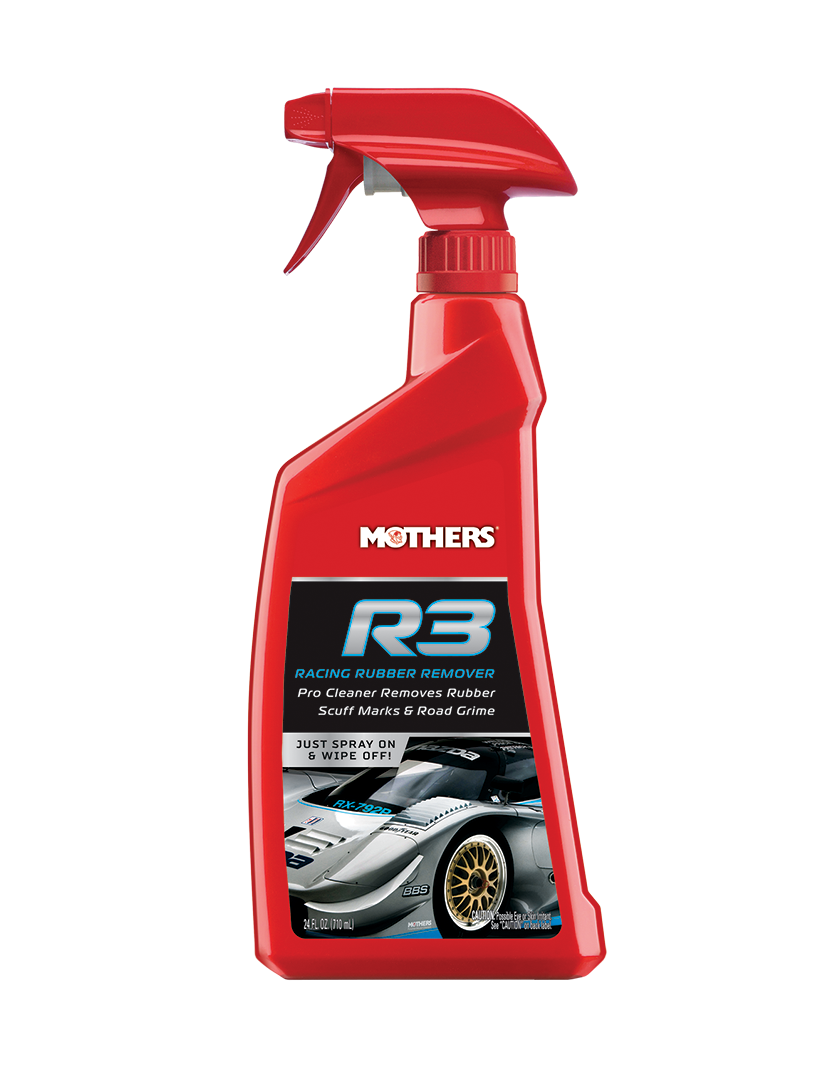
When DIY methods fail on deeply embedded rubber, specialized products deliver results without paint damage.
Mother’s R3 Racing Rubber Remover
Mother’s R3 targets track day rubber specifically but works for all tire marks. Apply sparingly with a microfiber cloth, allow 20 seconds dwell time, then wipe clean. Critical warning: Test on inconspicuous areas first, as some users report haze formation on certain paints. Immediately follow with wax application to restore protection. Avoid contact with rubber seals and plastic trim.
Stoner Tarminator for Reliable Results
Stoner Tarminator provides consistent removal without the haze issues some experience with stronger solvents. Spray on, wait 30 seconds, then wipe clean with a premium microfiber towel. This “light solvent” approach works effectively on both paint and wheels while preserving your clear coat integrity. Remember it will strip existing wax, so reapply protection immediately after treatment.
Compound Correction for Remaining Imperfections
After rubber removal, you may notice surface imperfections that require mild correction.
Meguiar’s Ultimate Compound Application
Apply Meguiar’s Ultimate Compound with a clean foam applicator using moderate pressure in overlapping circular motions. This mild abrasive lifts residual rubber particles while smoothing micro-scratches exposed after contamination removal. Work in 2×2 foot sections, frequently checking progress. For best results, use after solvent treatment but before final waxing.
Rubbing vs. Polishing Compound Selection
Choose your compound based on remaining imperfections:
– Rubbing compound: For visible scratches accompanying rubber marks
– Polishing compound: For final refinement after major imperfections are removed
Always start with the least aggressive option—most tire mark cases only require polishing compound after proper solvent treatment.
Prevention Strategies That Actually Work
Stop playing cleanup by implementing these proven prevention methods:
- Apply ceramic coating to vulnerable areas (hood, fenders, roof) to create a barrier against rubber bonding
- Wash immediately after track days or highway driving before rubber cures
- Use wheel-specific protectants that repel rubber transfer without compromising brake performance
- Maintain regular wax schedule—fresh wax creates a sacrificial layer that prevents deep rubber penetration
One professional detailer recommends applying a quality sealant after every tire mark removal to extend protection between washes. This simple step reduces future removal difficulty by 70% according to their customer data.
Complete Tire Mark Removal Protocol
Follow this systematic approach for guaranteed results:
- Assess mark age: Fresh marks need gentler treatment
- Start with WD-40 or bug/tar remover
- Progress to melamine sponge if marks persist
- Apply compound for any remaining discoloration
- Finish with quality wax or sealant
Critical safety tip: Always work in shaded areas on cool surfaces—applying solvents to hot paint causes rapid drying that can damage clear coat. Keep multiple clean microfiber towels on hand to prevent cross-contamination during the process.
When to Call a Professional Detailer
Seek expert help when:
– Tire marks have penetrated into base coat
– Previous DIY attempts created swirl marks
– Your vehicle has specialty paint (matte, satin, or wrapped finishes)
– Marks cover more than 30% of a panel
Professional detailers possess industrial-strength compounds and paint correction systems that safely remove stubborn rubber without compromising your warranty. Most charge $75-$150 for targeted tire mark removal—far less than repainting an entire panel.
By following these proven methods, you’ll restore your vehicle’s appearance while protecting your paint investment. The key is acting quickly with the right products in the proper sequence. Keep WD-40 and melamine sponges in your cleaning kit for immediate response to fresh marks, and schedule regular maintenance washes to prevent future headaches. Your car’s showroom finish depends on how quickly you respond to those unsightly black streaks—start your removal process today for the best results.