
You’re finally off the snowy mountain pass and back on clear pavement—now it’s time to remove your tire chains safely. Knowing how to take off tire chains properly protects you from injury, prevents damage to your vehicle, and extends the life of your traction equipment. Rushing this process leads to tangled chains, bent hooks, or even dangerous situations if your vehicle moves unexpectedly. This guide breaks down the exact steps for efficient chain removal, including critical safety checks and post-removal maintenance you shouldn’t skip. You’ll learn how to disconnect tension mechanisms, drive forward correctly to release chains, and store them properly so they’re ready for your next winter adventure.
Removing tire chains takes just 5-10 minutes once you know the proper technique, but skipping key steps can cost you time and money later. Whether you’re using classic link chains or modern automatic tensioners, following this process ensures your chains remain effective for multiple winter seasons while keeping you safe during removal operations.
Park on Stable Ground Before Chain Removal
Before touching any chains, proper vehicle positioning creates the foundation for safe removal. Working on unstable surfaces or near traffic leads to preventable accidents that could result in serious injury.
Position Vehicle Away from Traffic Flow
Drive to a firm, flat surface with at least four feet of clearance around each tire before beginning removal. Empty parking lots, wide driveways, or mountain road pull-outs provide ideal working environments. If you must remove chains on the roadside, activate hazard lights and place warning triangles 100 feet behind your vehicle to alert approaching traffic. Never attempt removal while parked on soft shoulders or uneven terrain where your vehicle could shift unexpectedly.
Secure Vehicle Completely with Parking Brake
Engage the parking brake fully before exiting the vehicle—this step varies depending on your transmission type. For automatic transmissions, shift into Park first, then apply the parking brake. For manual transmissions, turn off the engine, leave the transmission in gear, and engage the parking brake. This two-point security system prevents dangerous vehicle movement during removal operations. Double-check that the vehicle won’t roll by gently rocking it side-to-side before you get out.
Gather Essential Tools Before Starting
Keep a ground mat, headlamp, and lubricant within easy reach before exiting your vehicle. Cold, wet pavement makes chain removal miserable and increases exposure risks, so a thick cardboard piece or old blanket provides crucial comfort. A headlamp with fresh batteries illuminates connection points in low-light conditions, while WD-40 helps with stubborn tensioners and post-removal maintenance. Having these items ready prevents unnecessary trips back to your vehicle during the process.
Release Tension Before Disconnecting Chain Fasteners

Trying to remove chains without releasing tension first damages hooks and links while making the process much harder than necessary. This critical step varies depending on your specific chain design but follows the same fundamental principle across all types.
Identify Your Chain’s Tension Mechanism
Locate the tensioning system on your specific chain design before attempting removal—this could be cam levers, rubber tighteners, ratchets, or quick-release buckles. Cam-style tensioners typically have flip-open levers near the wheel hub, while rubber tighteners feature stretchy components that maintain constant pressure. Ratchet-based systems often have release buttons that disengage the ratcheting mechanism. Consult your chain’s instruction manual if unsure about your specific design.
Pro Tip: If you’re working with unfamiliar chains, take a photo of the tension mechanism before driving with chains installed—this reference makes removal much easier when visibility is poor.
Fully Disengage All Tensioning Components
For cam-style tensioners, flip all levers fully open to release pressure on the chain. With rubber tighteners, unbuckle any fasteners holding the tensioner in place. Ratchet systems require pressing the release button while simultaneously pulling the ratchet handle backward. Never attempt to pull chains away from tires while tension remains applied—this strains metal components and creates dangerous spring-back potential.
Verify Complete Tension Release
After disengaging tension mechanisms, gently test the chain’s mobility by trying to move it side-to-side around the tire. If you encounter resistance, double-check that all tension points have been fully released. Pay special attention to secondary tensioners often found on heavy-duty chains. Chains that remain under tension during removal frequently develop kinks and weak points that compromise future performance.
Pull Chains Away from Tires Without Damage
With tension fully released, you can now safely extract the chains from contact with your tires. This phase requires careful handling to prevent kinks and damage that shorten chain lifespan.
Methodically Disconnect Chain Connections
Begin at the inner wheel connection point and work your way around the tire circumference, disconnecting any remaining fasteners. Most chains feature hooks, clasps, or buckles that secure the chain ends together—release these completely before attempting to pull the chain free. For cable chains with a split-side design, identify the opening point before starting removal to ensure proper technique.
Lay Chains Flat Immediately After Removal
As you pull each chain away from the tire, lay it flat on the ground rather than letting it fall in a heap. This prevents sharp bends that cause metal fatigue and weakens the chain over time. Some drivers find it helpful to gently shake chains as they lay them down, allowing any coiled sections to straighten naturally. This simple step significantly extends chain life by preventing permanent kinks.
Expert Note: If you’re removing chains from multiple tires, organize them by position (front driver’s side, front passenger’s side, etc.)—this makes reinstallation faster and helps you spot uneven wear patterns.
Drive Forward to Fully Release Chains
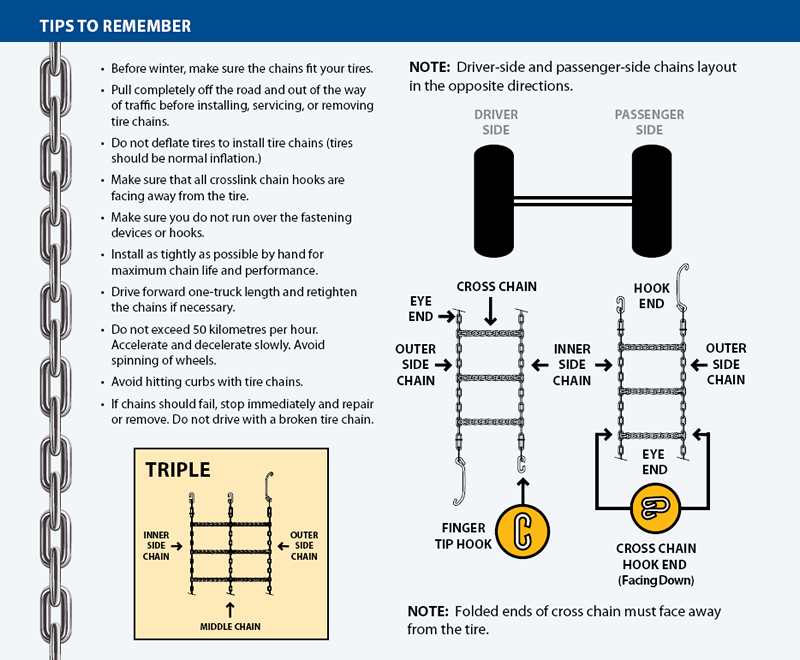
Many first-time users forget this critical step, leaving chains partially trapped beneath tires. Driving forward properly ensures complete chain release without damaging your equipment.
Move Vehicle Just Enough to Clear Chains
Drive forward slowly until the tires have completely passed over each chain section—typically just 2-3 feet is sufficient. Watch your mirrors to confirm chains aren’t snagging on any vehicle components during this movement. Stop immediately if you hear unusual sounds or feel vibrations that suggest chains remain partially engaged.
Collect Chains After Complete Release
Exit your vehicle and gather each chain from where it was deposited during forward movement. At this point, chains should be fully detached and ready for cleaning. Carry them to your cleaning area carefully, being mindful of sharp edges that could cause injury. Never drag chains across your vehicle’s paint or interior surfaces.
Clean and Store Chains to Prevent Rust
Proper post-removal maintenance takes just 10 minutes but dramatically extends chain lifespan by preventing corrosion from road salt and moisture.
Rinse Chains Thoroughly After Each Use
Immediately after removal, rinse chains with fresh water to remove road salt, ice residue, and debris. Pay special attention to connection points and tensioning mechanisms where corrosive materials accumulate. For stubborn ice buildup, soak chains in warm water for 10-15 minutes before rinsing—this loosens packed material without damaging metal components.
Dry Completely Before Applying Protective Coating
Hang chains in a well-ventilated area until completely dry—this may take several hours depending on weather conditions. Never store damp chains, as moisture causes rapid oxidation and rust formation. Once dry, apply a light coating of WD-40 or similar lubricant to all metal components, focusing on connection points and moving parts. This protective layer prevents corrosion during storage.
Store Chains in Organized, Dry Conditions
Place dried and lubricated chains in their original storage bag or a dedicated container that allows some airflow while protecting from dust. Store them in a dry location like a garage shelf or basement—avoid damp basements or areas prone to temperature fluctuations. Proper storage prevents deterioration and ensures chains remain ready for your next winter driving needs.
Remove Chains Immediately When Conditions Change
Timing your chain removal correctly prevents unnecessary damage to both your chains and tires while keeping you compliant with local regulations.
Take Off Chains Upon Reaching Clear Pavement
Remove chains as soon as you transition from snow/ice to bare pavement—continued use on clear roads accelerates tire wear and reduces fuel economy by up to 20%. Most manufacturers specify immediate removal when tarmac becomes visible, and some jurisdictions legally require it regardless of tire condition.
Stop Driving If You Hear Unusual Noises
Pull over immediately if you hear clicking, tapping, or scraping sounds while driving with chains installed—these indicate chains contacting vehicle components rather than functioning properly. Continuing to drive with improperly positioned chains can cause serious damage to steering, suspension, or body components. Remove chains, inspect the installation, and reposition or replace damaged sections before continuing.
Final Note: Proper chain removal protects your safety, extends equipment life, and ensures reliable winter traction for years to come. By following this process—parking safely, releasing tension completely, driving forward just enough to clear chains, and performing proper post-removal maintenance—you’ll handle winter driving challenges efficiently while maximizing your investment in traction equipment. Practice removal procedures before winter arrives so you’re prepared when conditions demand it.