Your Buick Lucerne’s TPMS warning light just illuminated, and you need to know how to reset tire pressure sensor Buick Lucerne properly. Whether you’ve recently rotated tires, replaced a sensor, or noticed the light after a temperature drop, understanding the correct reset procedures prevents unnecessary service visits and keeps you driving safely. This guide delivers the exact steps, troubleshooting methods, and maintenance tips you need to resolve TPMS issues on your Lucerne.
Enter Vehicle Learn Mode for Sensor Reset

The most reliable method for resetting your Buick Lucerne’s tire pressure sensors requires activating vehicle learn mode, which allows the system to recognize each sensor’s location. This procedure becomes essential after tire rotations, sensor replacements, or when the system fails to respond correctly to pressure adjustments.
Activate Learn Mode with Key Fob
Engage your parking brake to keep the vehicle stationary during the reset process. Turn your ignition to the ON position without starting the engine—this activates the electrical systems needed for the relearn procedure. Press and hold both the unlock and lock buttons on your key fob simultaneously until you hear the horn sound (typically after 3-5 seconds).
When successful, the left front turn signal will illuminate, confirming your system has entered vehicle learn mode. This visual cue is critical—don’t proceed without seeing this signal, as attempting to reset without proper mode activation wastes time and frustrates your efforts.
Complete Four-Tire Sensor Recognition
Starting with your left front tire, adjust the pressure by adding or releasing air until the horn sounds—this confirms sensor recognition. Wait for the horn confirmation before moving to your right front tire and repeating the pressure adjustment.
Proceed to your right rear tire, again waiting for the horn signal before moving to the final position. For your left rear tire, adjust pressure until you hear the horn—when successful, you’ll hear two consecutive horn blasts confirming all four sensors have been registered.
Final Pressure Calibration
Turn your ignition to OFF to exit vehicle learn mode once the relearn procedure completes. The last critical step involves adjusting all four tires to the pressure specifications on your vehicle’s Tire Loading Information label (found on the driver’s door jamb). Never skip this calibration step, as improper pressure settings trigger false warnings and compromise safety.
Clear TPMS Warning via DIC Menu
When your tire pressure warning light illuminates or displays “TIRE LOW ADD AIR TO TIRE” after correcting pressures, your Buick Lucerne offers a simpler reset method through the Driver Information Center.
Access and Reset Warning Messages
Locate the four-button cluster to the left of your gauges. Press the rightmost button (check mark symbol) when the TPMS warning appears to clear the message from your display. This button serves as your primary reset function for warning notifications.
Navigate through the DIC menu to view individual tire pressure readings before and after adjustments. This feature helps you identify which specific tire triggered the warning and verify that your corrections brought all tires within specification.
Know When to Use Menu Reset vs. Full Relearn
Use the DIC menu reset only when you’ve already verified correct tire pressures and the warning resulted from normal temperature fluctuations. Never rely on this method after tire rotations or sensor replacements, as it only clears the warning display without updating sensor locations. For these scenarios, complete the full relearn procedure to restore complete system functionality.
Alternative Reset Methods for Stubborn TPMS Lights
When standard procedures fail, these alternative approaches provide additional options for resetting your Buick Lucerne’s TPMS system.
Locate and Use the Fuse Panel Reset Button
Some Buick Lucerne models feature a red TPMS reset button hidden in the passenger side fuse panel. Access this button by removing the panel cover beneath the dashboard, then turn your ignition to ON and press/hold the button until the TPMS light flashes.
Important: This method’s effectiveness varies by model year—many owners report inconsistent results compared to the standard relearn procedure. If your vehicle lacks this button, don’t waste time searching; proceed directly to the battery disconnection method.
Perform Battery Reset for System Glitches
Disconnect your negative battery cable and let the vehicle sit without power for 15 minutes to reset electronic modules. This clears temporary error codes affecting the TPMS system.
After reconnecting the battery, start your vehicle and check if the warning light remains illuminated. If the light persists, immediately attempt the full relearn procedure—this battery reset serves only as a preliminary troubleshooting step for electronic glitches.
Diagnose Why Your TPMS Won’t Reset
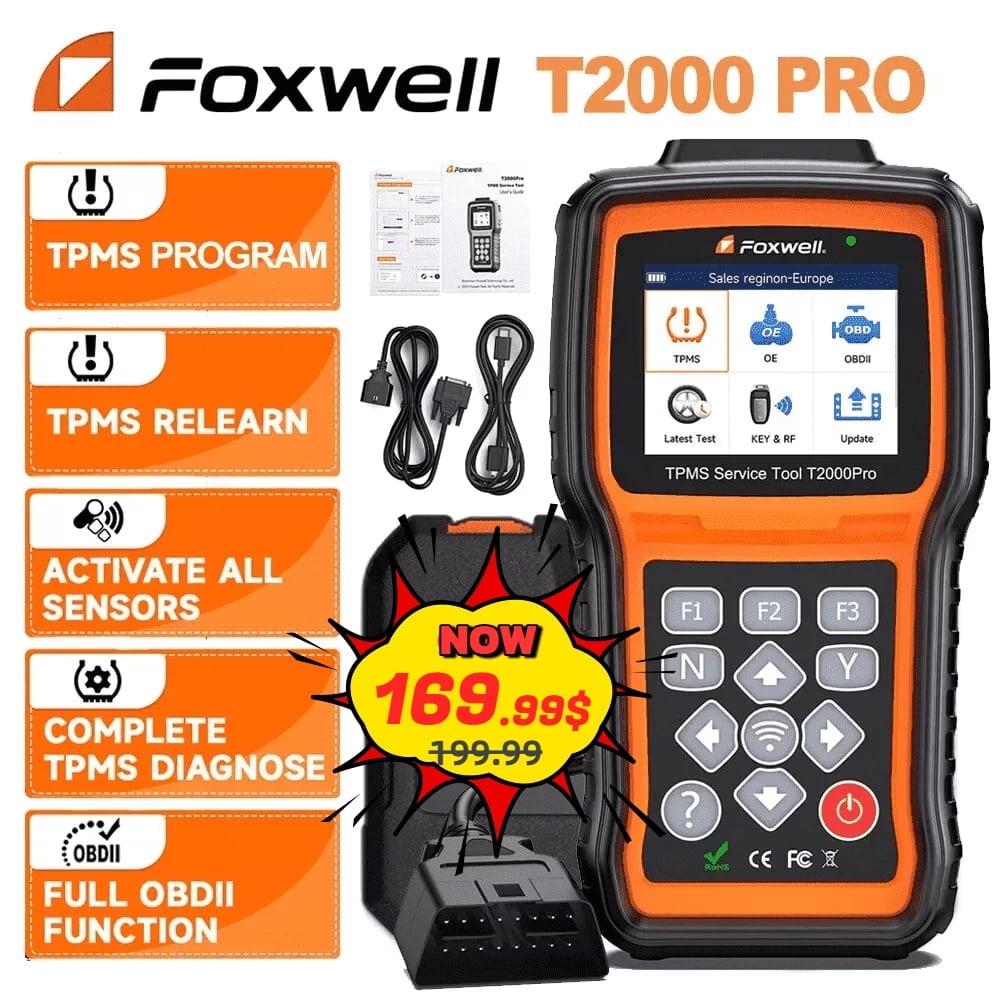
When standard reset procedures fail, systematic troubleshooting identifies the root cause preventing successful sensor reset.
Verify Sensor Communication with Scanner
Use a TPMS scanning tool to read data directly from each tire location. A functioning sensor responds with its unique ID and pressure reading—sensors that don’t respond or provide erratic data need replacement.
Most tire pressure sensors contain internal batteries lasting 5-10 years. At higher mileages, battery depletion becomes the likely culprit when sensors fail to communicate. Test each sensor individually to pinpoint the faulty unit.
Check for RCDLR Module Issues
General Motors issued technical service bulletin 08-03-16-004A addressing TPMS problems related to the Remote Control Door Lock Receiver (RCDLR). When your warning light persists despite correct pressures and successful relearn attempts, this module may require reprogramming.
Reprogramming requires specialized equipment typically available only at dealerships or shops with GM technical access. Consult a qualified technician if basic troubleshooting fails—this advanced procedure resolves persistent TPMS issues that resist conventional methods.
Interpret Warning Light Patterns Correctly

Your Buick Lucerne’s TPMS warning light communicates different system states through its illumination pattern, helping you determine the appropriate response.
Solid Light Indicates Low Pressure
A continuously illuminated warning light means one or more tires have pressure below the minimum threshold. Immediately verify actual pressures using a reliable gauge against specifications on your vehicle’s Tire Loading Information label—not the maximum pressure on the tire sidewall.
Cold temperatures significantly reduce tire pressure—overnight drops of 20-30°F can decrease pressure by 2-3 PSI, often triggering warnings that disappear as tires warm during driving. Check pressures monthly, especially during seasonal transitions.
Flashing Light Signals System Malfunction
A flashing TPMS warning light indicates a system malfunction rather than simple low pressure. This pattern typically signals communication failures between sensors and the control module or sensor battery depletion.
Unlike low pressure conditions, system malfunctions won’t resolve with air addition—they require sensor replacement, module reprogramming, or circuit repairs. Don’t ignore flashing lights; they indicate more serious issues needing professional diagnosis.
Extend Your TPMS Sensor Lifespan
Proper maintenance practices minimize TPMS-related issues and extend sensor longevity on your Buick Lucerne.
Perform Monthly Pressure Checks
Verify tire pressures monthly using an accurate gauge when tires are cold (before driving). This practice identifies slow leaks early and prevents unnecessary TPMS activations from borderline low pressures.
Never rely solely on the TPMS system—regular manual checks ensure optimal tire performance and safety, as the system only alerts you when pressure falls significantly below specifications.
Follow Proper Rotation Procedures
Complete the full relearn procedure after every tire rotation to update sensor locations in the system memory. Skipping this step causes the system to display incorrect tire positions when warnings occur.
Consider replacing all four sensors simultaneously on higher-mileage vehicles—since sensors typically share similar age and usage, replacing only one often leads to repeated failures as other sensors approach end-of-life.
Inspect Valve Stem Seals Regularly
During routine tire service, visually inspect valve stems and seals for cracks or dry rot. Deteriorated seals cause air leaks that trigger persistent TPMS warnings despite correct pressure readings.
Replace valve stem assemblies during tire replacements to prevent future leak-related issues—this simple $10-$15 component protects your $50+ sensor investments from unnecessary strain.
Temperature Effects on TPMS Operation
Understanding how temperature affects tire pressure helps you distinguish between actual problems and normal system behavior.
For every 10°F decrease in temperature, tire pressure drops approximately 1 PSI. This explains why many owners experience morning TPMS warnings during cold weather that disappear as tires warm during driving.
Don’t overcorrect for temperature changes—your specified pressure accounts for normal operating ranges. Adding extra air during cold weather creates dangerously overinflated tires once temperatures rise.
Final Note: Resetting your Buick Lucerne’s tire pressure sensor requires following precise procedures based on your specific situation. When standard methods fail, systematic troubleshooting identifies whether you’re dealing with simple pressure issues, sensor failures, or module malfunctions. Regular maintenance, proper rotation procedures, and understanding temperature effects keep your TPMS functioning reliably for years. For persistent issues resistant to these methods, consult a qualified technician familiar with GM-specific TPMS protocols and technical service bulletins.