That persistent TPMS warning light flashing on your dashboard can be frustrating, especially when you’ve checked your tire pressure and everything seems fine. Many drivers search for “how to delete tire pressure sensor” when they’re actually looking to reset or temporarily disable their Tire Pressure Monitoring System. While you can’t permanently delete these safety sensors from your vehicle’s computer system, you can reset, relearn, or in specific cases, bypass the TPMS warnings. This guide explains legitimate procedures for addressing TPMS issues without compromising your vehicle’s safety systems.
Understanding what happens when you attempt to “delete” a tire pressure sensor is critical. Since 2008, federal law has required all new vehicles to maintain functional TPMS systems. Rather than deletion, you’ll perform reset procedures, replace faulty sensors, or address the root cause of persistent warnings. Let’s explore the proper methods for resolving your TPMS issues while staying within legal and safety boundaries.
Why Your TPMS Warning Light Won’t Turn Off
Before attempting any reset procedure, identify why your tire pressure monitoring system continues to trigger warnings. The U-shaped dashboard icon with an exclamation point activates when pressure drops below 25% of the manufacturer’s recommended PSI, but several factors can cause false or persistent warnings.
Temperature fluctuations trigger false TPMS warnings more often than sensor failures. A 10-degree Fahrenheit temperature drop reduces tire pressure by 1-2 PSI—enough to activate the warning light during cold mornings even with properly inflated tires. This isn’t a malfunction but the system working as designed. Check your tire pressure when tires are cold (not driven for at least three hours) for accurate readings.
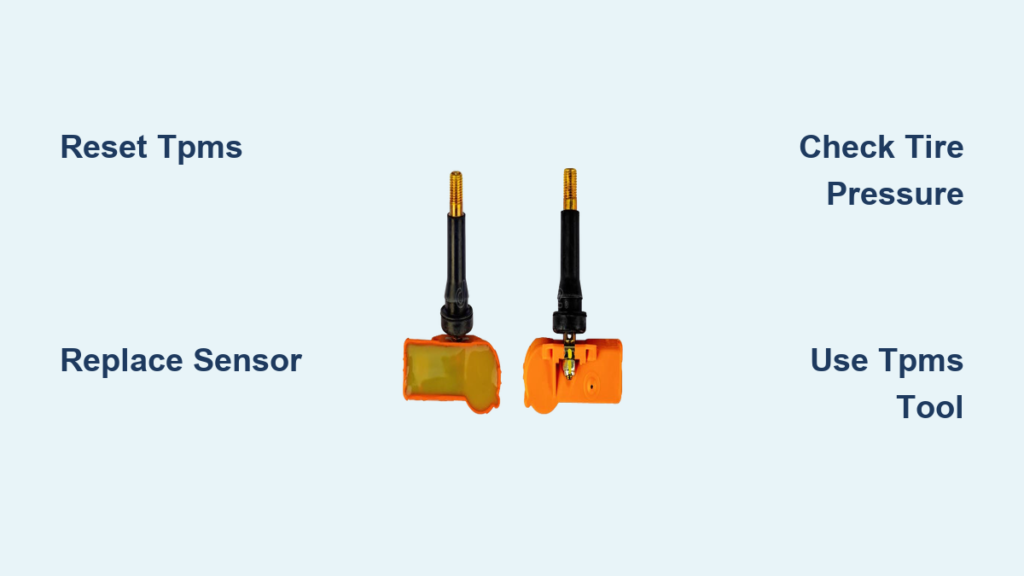
Dead sensor batteries cause 30% of persistent TPMS issues. Most sensors contain non-replaceable lithium-ion batteries rated for 5-10 years. When these fail, the sensor stops transmitting data, and your vehicle registers this as a pressure problem. Unlike regular batteries, you must replace the entire sensor unit—there’s no way to simply swap batteries in most TPMS sensors.
Physical damage during tire service accounts for many sensor problems. Technicians can accidentally nick sensor brackets, crack housings, or dislodge sensors when mounting tires. Inspect valve stems for obvious damage before assuming electronic failure. A bent or broken valve stem cap can also cause slow leaks that trigger warnings.
Tools Needed for TPMS Reset Procedures
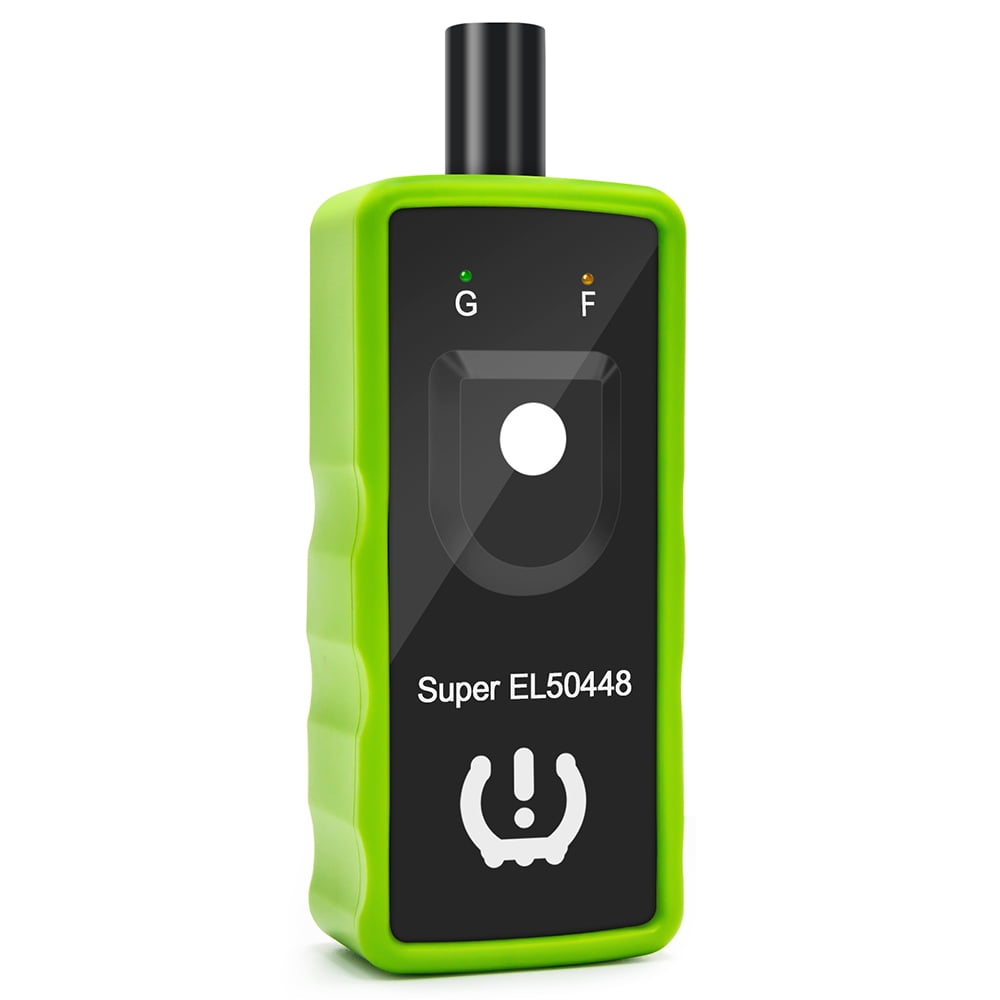
Gather these essential tools before starting any TPMS work to avoid frustration mid-procedure. The specific tools required depend on your vehicle and the nature of your TPMS issue.
Dedicated TPMS relearn tool ($50-$200) activates your vehicle’s sensor registration mode without visiting a dealership. These handheld devices trigger the relearn process by sending signals to each sensor, then programming the new IDs into your vehicle’s computer. They’re more efficient than general OBD-II scanners for TPMS-specific work.
Digital tire pressure gauge with 0.5 PSI accuracy verifies actual pressure before and after procedures. Gas station air pumps provide unreliable readings—always confirm with your own gauge. Proper inflation is the first step before any reset attempt.
Valve core tool ($5-$10) removes valve cores for bleeding air or replacing damaged stems. Most TPMS sensor kits include this small but essential tool. Without it, you risk damaging valve stems during pressure adjustments.
Manual Reset Procedures Without Special Tools
Most vehicles allow basic TPMS resets using factory-installed controls—no special equipment required. These procedures relearn current pressure readings and sensor positions.
Ford/Lincoln/Mercury reset sequence: Turn ignition to “ON” (do not start engine), then press and hold the TPMS reset button (typically under the steering column) until the warning light flashes three times. Release the button, start the engine, and drive 5-10 minutes above 30 mph. The system automatically completes relearning during this drive.
General Motors reset method: With ignition on, press the trip odometer reset button until “TPMS RELEARN” appears. Hold the button until a chime sounds confirming relearn mode. Drive 15-20 mph for up to 20 minutes until the warning light turns off. Some GM vehicles require specific wheel rotation patterns during this drive.
Honda/Acura procedure: Inflate all tires to door jamb specifications, turn ignition to “ON” (two clicks without starting), then press and hold the TPMS button until the indicator light blinks twice. Drive normally for 10-30 minutes to complete the process. Honda systems often require higher speeds (40+ mph) for full relearning.
OBD-II Scanner Reset for Stubborn Warnings
When manual resets fail, an OBD-II scanner with TPMS functionality provides a more thorough solution. This method directly communicates with your vehicle’s computer system.
Connect your scanner properly: Locate the OBD-II port under the driver’s dashboard, usually below the steering column. Remove any protective covers, then firmly insert your scanner until it clicks. Turn ignition to “ON” without starting the engine.
Access TPMS functions: Power on your scanner and navigate to TPMS-specific menus. Look for options labeled “TPMS,” “Tire Pressure,” or “Body Control Module.” Select your vehicle make/model, then choose “Read Sensor IDs” to verify current sensor status.
Register new sensors if replaced: If you’ve installed new sensors, enter “TPMS Registration” mode. Activate each sensor (usually by pressing the valve stem) until the scanner recognizes it. Confirm registration for all four sensors, then clear any stored trouble codes. Drive 10-15 minutes to confirm system functionality.
When to Replace Faulty TPMS Sensors
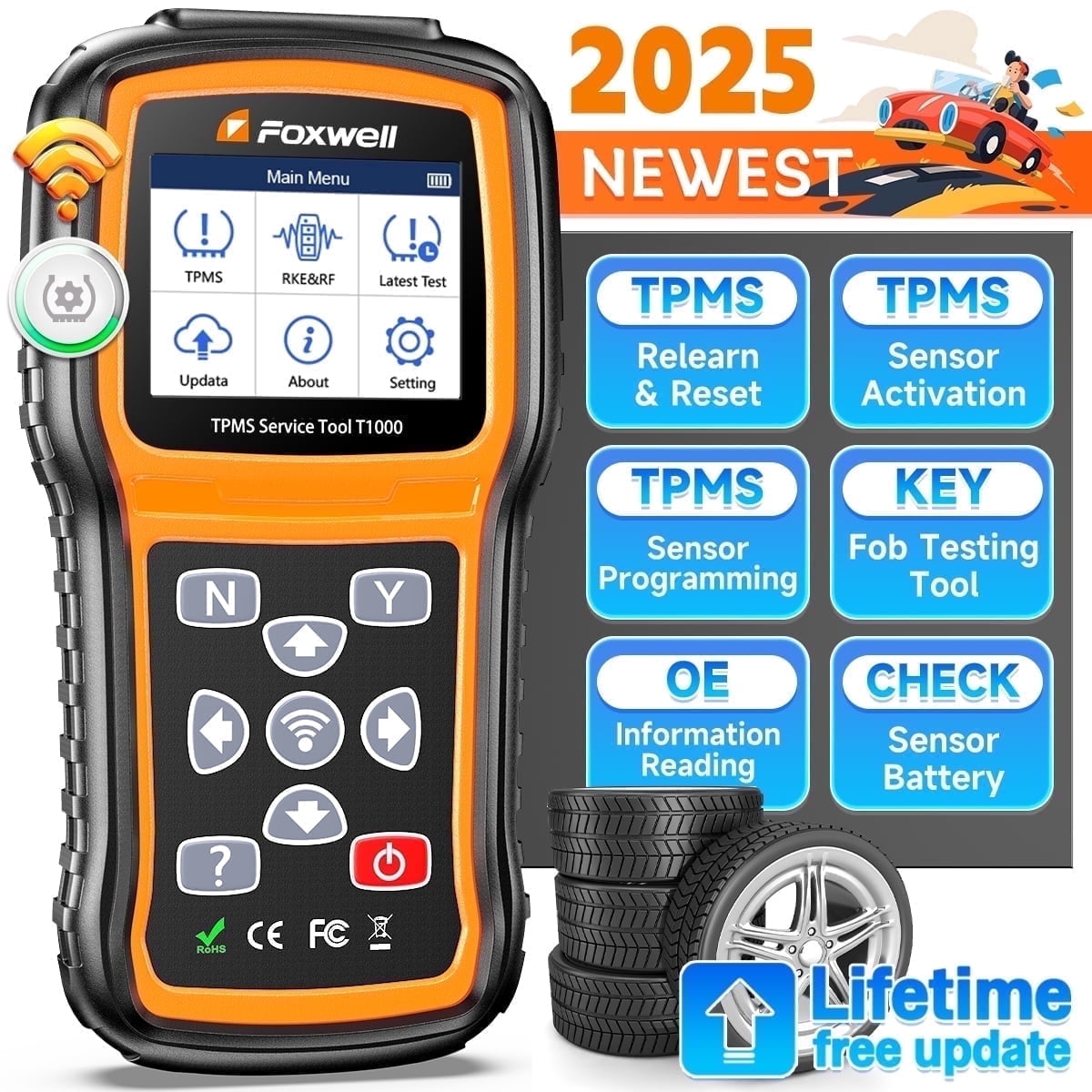
If your warning light persists after multiple reset attempts, you likely have a failed sensor requiring replacement. Don’t waste time trying to “delete” non-functional sensors—replace them instead.
Diagnose sensor failure correctly: Use a TPMS sensor tester ($30-$100) to verify each sensor’s status. A non-responsive sensor might have a dead battery or physical damage. Test from multiple angles—sometimes metal wheel designs block signals temporarily.
Complete sensor replacement process: Have a tire shop remove the tire from the wheel (for valve-stem-mounted sensors) or access the band-mounted sensor inside the wheel. Remove the old sensor, install the new one in identical orientation, and secure with the hex nut. Most shops replace valve stems simultaneously for $5-$10 extra.
Cost-effective replacement strategy: OEM sensors cost $20-$50 each, with professional installation adding $20-$40 per tire. For DIY replacement, budget $100-$200 for a basic TPMS tool that pays for itself after two sensor replacements. Always replace rubber valve stems during tire service—they degrade every 4-6 years.
Legal and Safety Implications of Disabling TPMS

Before pursuing permanent TPMS disablement, understand the serious consequences. The TREAD Act mandates functional TPMS on all vehicles sold since 2008, and disabling this system carries significant risks.
Federal law prohibits TPMS tampering: While enforcement against individual owners is rare, disabling TPMS violates federal regulations. In accident investigations, insurance companies may deny claims if they discover disabled safety systems. You assume full liability for any incidents related to undetected tire pressure issues.
State inspection failures occur with disabled TPMS: California, New York, and 17 other states with safety inspections will fail your vehicle for persistent TPMS warnings. You cannot legally register a vehicle with an active TPMS warning light in these states—resetting is mandatory, not optional.
Safety risks outweigh convenience: Underinflated tires cause approximately 250,000 accidents annually in the US. TPMS provides critical early warnings of pressure loss, preventing blowouts and loss of vehicle control. Drivers without functional TPMS are 37% more likely to experience tire-related crashes according to NHTSA data.
Professional Help vs. DIY TPMS Repair
Determine whether to handle your TPMS issue yourself or seek professional assistance based on complexity and your mechanical skills.
DIY works for simple resets: If your warning stems from temperature changes or seasonal pressure adjustments, manual reset procedures take 5-15 minutes with no special tools. This approach costs nothing and resolves most temporary issues.
Professional service saves money for complex issues: Dealerships and tire shops have factory-level diagnostic equipment ensuring correct procedures. For $50-$150, they’ll verify sensor functionality, perform relearn procedures, and replace sensors with proper tools. This prevents costly mistakes from improper DIY attempts.
Prevent Future TPMS Problems
Implement these maintenance practices to avoid recurring TPMS warnings and extend sensor life.
Check tire pressure monthly with your own gauge when tires are cold. Compare readings to the door jamb sticker—not the maximum pressure on the tire sidewall. Consistent manual checks catch slow leaks before they trigger warnings.
Replace valve stems every 4-6 years during tire service. Rubber stems degrade over time, while metal stems corrode at the base. Request new valve stems and grommets whenever tires are mounted—the small additional cost prevents future TPMS issues.
Address warnings immediately rather than searching for ways to delete sensors. Ignoring TPMS alerts leads to uneven tire wear, reduced fuel economy, and increased accident risk. The system exists to protect you—work with it rather than against it.
Final Note: Proper TPMS management involves resetting, replacing, or relearning sensors—not deletion. While the search term “how to delete tire pressure sensor” is common, the legitimate solution is maintaining your vehicle’s safety system. By following these procedures, you’ll keep your TPMS functioning correctly while avoiding legal issues and maintaining crucial road safety protections. A properly maintained TPMS system provides peace of mind and could prevent a serious accident down the road.