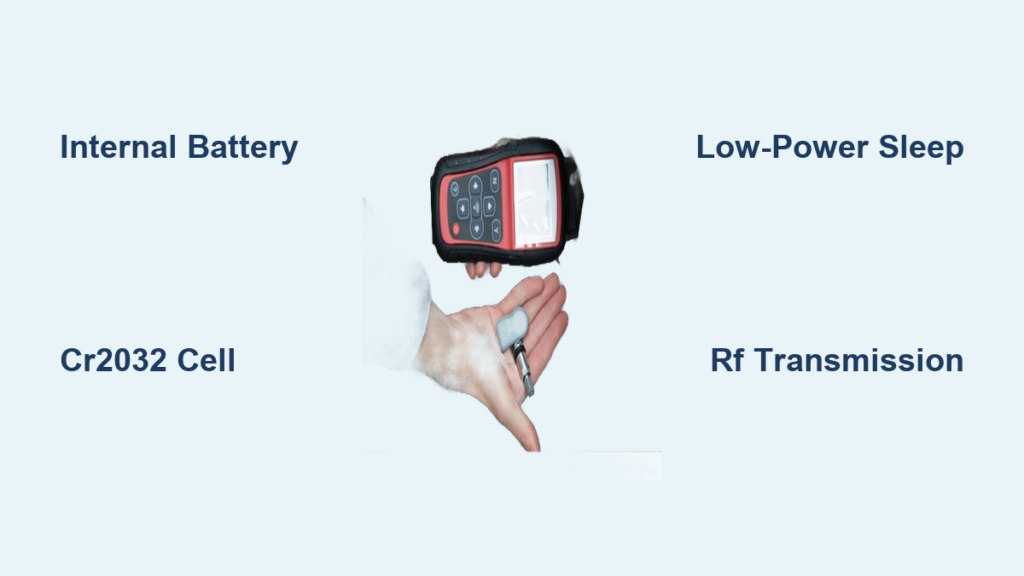
When your dashboard lights up with a tire pressure warning, you might wonder how those tiny sensors inside your wheels stay powered while spinning at highway speeds. Tire pressure monitoring systems (TPMS) have become mandatory safety features in modern vehicles, yet the power source keeping them operational remains a mystery to most drivers. Understanding how tire pressure sensors get power explains why these critical safety components eventually need replacement and reveals the clever engineering that allows them to function independently within the harsh tire environment.
The average driver first encounters tire pressure sensor issues when the TPMS warning light illuminates after a tire rotation or battery replacement. This moment often sparks the question: how do these sensors operate without any visible connection to your vehicle’s electrical system? The answer lies in miniature power systems engineered to withstand extreme conditions while providing reliable operation for years at a time. Whether you’re troubleshooting a warning light or simply curious about your vehicle’s technology, knowing the power source behind TPMS helps you make informed maintenance decisions.
Internal Battery Power Systems
The vast majority of tire pressure sensors rely on sealed internal batteries as their primary power source. These miniature power cells are permanently enclosed within the sensor housing and designed to last for the operational lifespan of the component. Understanding this battery-powered design explains why sensors eventually require full replacement rather than simple battery swaps.
CR2032 Coin Cell Batteries Power Most Sensors
Many TPMS sensors utilize CR2032 lithium coin cell batteries, similar to those found in computer motherboards and garage door openers. These compact 3-volt power sources provide sufficient energy for the low-power electronics contained within most tire pressure sensors. Despite their small size—measuring just 20mm in diameter and 3.2mm thick—these batteries typically offer 200-230 milliamp-hours of capacity.
The secret to their longevity lies in the sensor’s power management. TPMS sensors don’t continuously transmit data; instead, they spend most of their time in ultra-low-power sleep mode, waking only when pressure changes exceed 25% or during scheduled transmission intervals. This duty cycling allows a single coin cell to power the sensor for 5-10 years under normal driving conditions.
Integrated Lithium Batteries in Premium Systems

Higher-end vehicles often feature TPMS sensors with custom-shaped lithium polymer or solid-state batteries that are permanently sealed within the housing. Unlike coin cell designs, these integrated batteries cannot be replaced individually—when the power source depletes, the entire sensor requires replacement.
This design offers significant advantages in durability and weatherproofing. With no battery compartment doors or access points, moisture intrusion becomes far less likely. The custom cell shapes maximize available capacity within tight space constraints while maintaining exceptional temperature tolerance—critical when tire interiors experience temperatures ranging from -40°F in winter to over 150°F during summer highway driving.
Signal Transmission and Power Consumption
The most energy-intensive operation for tire pressure sensors is wireless data transmission. Understanding how these sensors manage power during transmission reveals why battery life varies significantly between vehicle models and driving conditions.
Radio Frequency Transmission Methods
Traditional TPMS sensors transmit data using radio frequency signals at either 315 MHz (common in North America) or 433 MHz (typical in Europe). When a sensor detects significant pressure loss, it activates its transmitter for a brief burst—typically lasting only milliseconds—to send an alert to your vehicle’s receiver.
Between transmissions, sensors draw minimal power in sleep mode, often measuring in microamps. The actual transmission might require several milliamps, but since it lasts only fractions of a second, the overall energy consumption remains low. This efficient power management allows small batteries to operate reliably for years despite the extreme conditions inside rotating tires.
Bluetooth Low Energy in Modern Systems
Newer vehicles increasingly incorporate Bluetooth Low Energy (BLE) technology for tire pressure monitoring. BLE offers superior power efficiency compared to traditional RF systems, enabling more sophisticated features while conserving battery life. Some modern systems can provide continuous real-time pressure monitoring displayed directly on your dashboard or smartphone app.
BLE’s intelligent power management allows sensors to sleep for extended periods and wake only when necessary, significantly extending operational life. While standard RF systems might transmit pressure data every 30-60 seconds when in motion, BLE systems can maintain connectivity while consuming less overall energy, providing drivers with more detailed information without sacrificing battery longevity.
Critical Factors Affecting Sensor Battery Life
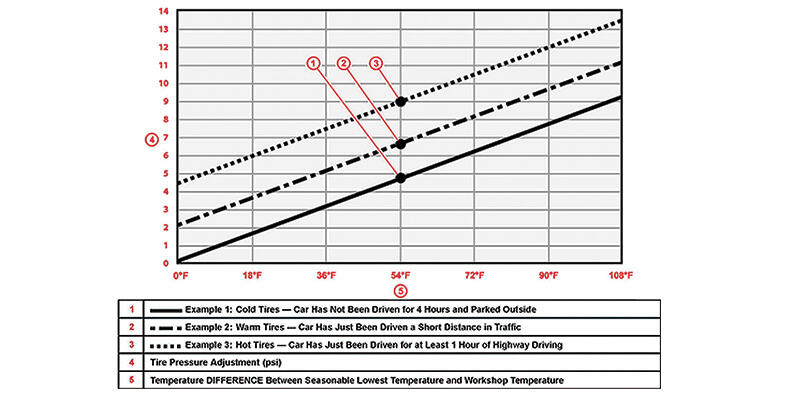
The lifespan of a tire pressure sensor’s power source varies dramatically based on environmental conditions and driving habits. Recognizing these factors helps anticipate when replacement might become necessary and explains why some sensors fail sooner than others.
Temperature Extremes Accelerate Battery Drain
Tire interiors experience some of the most extreme temperature fluctuations in any automotive application. During summer highway driving, tire temperatures can exceed 150°F, while winter conditions can plunge well below freezing. These thermal extremes significantly impact battery chemistry, accelerating chemical degradation.
Sensors mounted on wheels near brake systems face additional thermal stress from heat radiating off brake components. Vehicle owners in regions with extreme seasonal temperature variations often find their TPMS batteries deplete 2-3 years faster than those in moderate climates. Parking in shaded areas during summer heat can help reduce this thermal stress and extend sensor life.
Driving Patterns Determine Power Consumption
Your driving habits directly influence how quickly sensor batteries deplete. Vehicles driven daily with longer commutes trigger more transmission events than weekend drivers, accelerating battery drain. Each pressure reading and transmission consumes energy, so higher mileage vehicles naturally experience faster battery depletion.
Luxury vehicles with continuous real-time monitoring systems consume power more rapidly than basic systems that only transmit when significant pressure changes occur. Some premium models update tire pressure readings multiple times per minute—a feature that provides superior driver information but comes at the cost of reduced sensor battery life.
Maintenance and Replacement Considerations
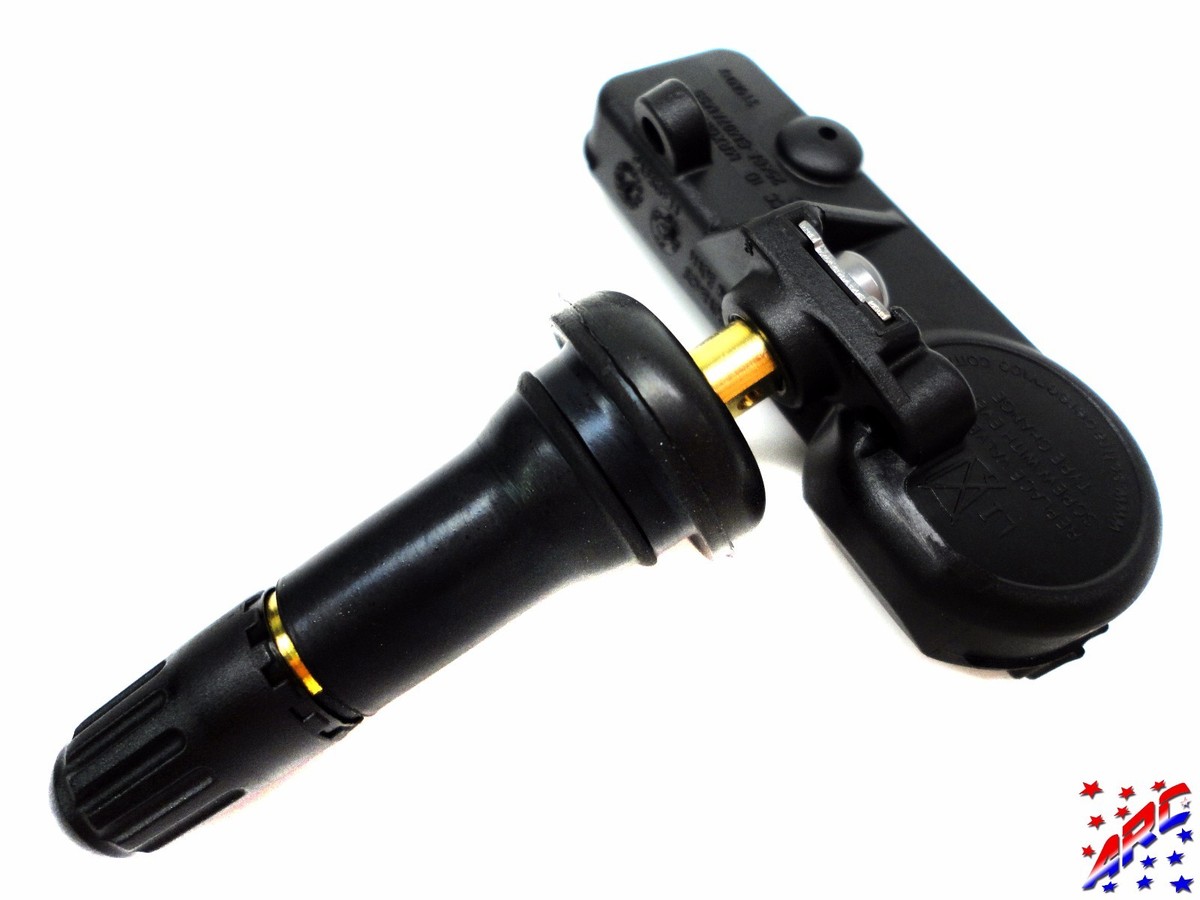
Understanding how tire pressure sensors get power helps you recognize early warning signs of battery depletion and make informed decisions about replacement options.
Recognizing Battery Failure Symptoms
When TPMS sensor batteries begin depleting, several symptoms may appear. The most obvious indicator is the TPMS warning light illuminating on your dashboard, often without corresponding pressure changes. This light typically activates when a sensor fails to respond to the vehicle’s polling signals.
Intermittent warnings that appear and disappear might indicate weakening batteries struggling to maintain reliable transmission. Some vehicles display individual tire pressure readings—when one consistently shows “—” while others update normally, that specific sensor likely has depleted power.
Replacement Options When Batteries Fail
When TPMS sensors require replacement due to battery depletion, you have several choices. Original equipment manufacturer (OEM) sensors offer guaranteed compatibility but come at premium prices. Aftermarket sensors provide cost-effective alternatives, though quality varies significantly between brands.
Some replacement sensors feature replaceable batteries, while others have permanently sealed units requiring full replacement. In extreme climates, the superior sealing of integrated battery designs often outweighs the higher cost, preventing moisture intrusion that could damage replacement batteries.
Extending Your Sensor’s Operational Life
While sensor batteries cannot be recharged and will eventually deplete, certain practices can maximize their operational lifespan.
Minimize Unnecessary Transmissions
Avoid rapid pressure changes that trigger additional transmission events. Maintaining proper tire pressure at all times prevents the system from detecting and reporting pressure anomalies unnecessarily. Some aftermarket systems allow adjustment of transmission intervals—configuring these settings to match your needs can reduce power consumption while maintaining safety.
Protect Against Temperature Extremes
Parking in shaded areas during summer heat reduces thermal stress on wheel-mounted sensors. For vehicles stored long-term, tire covers provide additional protection against temperature extremes and UV radiation, particularly valuable in regions with severe seasonal variations.
Regular System Verification
Periodic verification of TPMS functionality helps identify weakening sensors before complete failure. Many vehicles include TPMS diagnostic modes accessible through the dashboard menu. Professional tire services often include TPMS verification during routine maintenance—a proactive approach that identifies failing sensors early, allowing scheduled replacement rather than emergency service.
Environmental Considerations
The widespread adoption of TPMS has created environmental challenges related to sensor disposal. When replacing sensors, inquire about recycling programs at your service provider—many automotive retailers participate in TPMS recycling initiatives that ensure proper disposal of batteries and electronic components.
The automotive industry continues developing TPMS designs with improved environmental profiles. Sensors with longer battery life reduce replacement frequency, while research into alternative power systems could eventually eliminate batteries entirely. While these technologies aren’t yet commercially viable for mass-market vehicles, ongoing development suggests future TPMS generations may address current sustainability concerns.
Conclusion
Tire pressure sensors get power primarily from internal batteries—typically lithium coin cells or integrated lithium packs—that provide years of reliable operation through efficient power management and intermittent transmission cycles. While this design requires eventual sensor replacement as batteries deplete, modern TPMS batteries typically last 5-10 years under normal conditions, delivering dependable service with minimal maintenance.
Understanding this power system helps you recognize early warning signs of battery depletion and make informed decisions about replacement options. As vehicle technology advances, expect to see continued improvements in TPMS efficiency, with Bluetooth connectivity, enhanced diagnostics, and improved battery technologies extending operational life while addressing environmental concerns. By appreciating how your vehicle’s tire pressure sensors get power, you can better maintain this critical safety system and ensure continued protection on every journey.