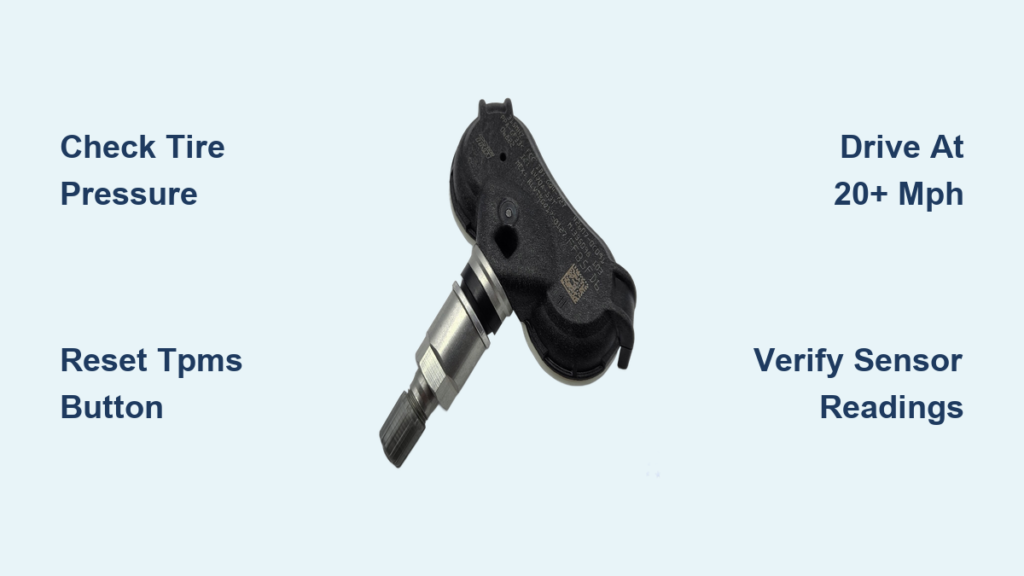
Your Toyota’s tire pressure monitoring system (TPMS) keeps you safe by alerting you to low tire pressure, but after tire rotations or pressure adjustments, it often needs recalibration. Learning how to calibrate your Toyota tire pressure sensors properly ensures accurate readings and prevents unnecessary warning lights. This guide covers the complete process for most Toyota models, helping you maintain your vehicle’s safety systems without visiting the dealership.
When your TPMS isn’t properly calibrated, you might get false warnings or miss actual pressure problems. Many Toyota owners face persistent dashboard lights after changing tires simply because they skipped this essential step. Understanding this calibration process gives you control over your vehicle maintenance while extending tire life and improving fuel efficiency.
Recognizing When Your Toyota Needs TPMS Calibration
Knowing when to calibrate your tire pressure sensors prevents unnecessary frustration and ensures your safety system functions correctly. Several clear indicators signal when your Toyota’s TPMS requires attention.
Persistent dashboard warning lights after addressing low tire pressure often mean your system needs resetting rather than indicating an actual problem. The TPMS warning symbol—a cross-section of a tire with an exclamation point—should turn off within minutes of reaching correct pressure. If it remains illuminated despite proper inflation, calibration is likely necessary.
Inconsistent readings across tires suggest your sensors aren’t properly synchronized. If one tire shows significantly different pressure than others despite all being properly inflated, your sensors may report incorrect data. This inconsistency typically requires recalibration to align sensor readings with actual tire conditions.
After any tire service, calibration becomes essential. Whenever you rotate, replace, or significantly adjust tire pressure, the TPMS should be recalibrated to recognize new positions and pressure baselines. Many Toyota owners overlook this step, leading to persistent warning lights or inaccurate data that could compromise safety.
Seasonal temperature changes also trigger calibration needs. As outdoor temperatures drop, tire pressure decreases naturally, and your TPMS should be recalibrated to account for these environmental shifts. This is especially important during seasonal transitions when temperature fluctuations are most dramatic.
Essential Tools for Toyota TPMS Calibration
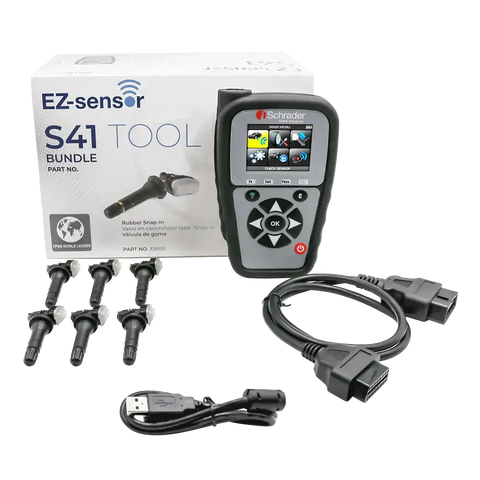
Before starting the calibration process, gather these basic tools to ensure a smooth procedure without interruptions. Most required items are commonly found in households, saving you unnecessary trips to the auto parts store.
A reliable tire pressure gauge is crucial for verifying actual pressure before and after calibration. While gas stations offer air and gauges, having your own quality gauge provides more accurate readings. Digital gauges typically offer greater precision and reliability compared to analog versions, especially in varying temperature conditions.
An air compressor with pressure adjustment capability allows you to inflate tires to specifications without visiting a gas station. Many portable compressors plug into your vehicle’s 12-volt outlet and include built-in pressure gauges. If you don’t own one, most gas stations provide air pumps with pressure displays, though these can sometimes be less accurate.
Your vehicle owner’s manual contains model-specific instructions that override general procedures. Toyota varies slightly between models and years, and your manual provides the exact sequence for your vehicle. Keep this document accessible during the calibration process as it’s your most reliable reference.
Pen and paper or a notes app helps you track tire pressure readings before and after calibration. Recording these numbers provides reference points if troubleshooting becomes necessary and helps you establish your vehicle’s typical pressure patterns over time.
Preparing Your Toyota for Successful Calibration
Proper preparation ensures accurate calibration results and prevents common errors that can complicate the procedure. Taking a few minutes to set up correctly makes the entire process more efficient.
Park on level ground in a safe location with your vehicle in park (automatic) or neutral (manual). Engage the parking brake and keep the engine running for most Toyota models during calibration. Level ground ensures tire pressure readings aren’t affected by uneven weight distribution that could skew your calibration results.
Check and adjust all tire pressures to specifications before beginning calibration. Your door jamb sticker or owner’s manual lists the correct pressure for front and rear tires—these numbers aren’t necessarily 32 PSI but vary by vehicle weight and tire size. Inflate all tires to the specified pressure, checking with your gauge rather than relying on gas station displays which can be inaccurate.
Allow tires to cool if you’ve recently driven. Driving heats tires and increases pressure readings, leading to inaccurate calibration baselines. Wait at least 30 minutes after driving before checking pressure or beginning calibration procedures to ensure you’re working with accurate cold tire pressure measurements.
Locate your TPMS reset button, which varies by model. Common locations include under the steering wheel, in the glove compartment, or on the side panel near the driver’s seat. Some newer Toyota models integrate the reset function into the dashboard menu system rather than using a physical button, so check your manual for specifics.
Executing the Calibration Process
Toyota vehicles use different methods to access TPMS calibration depending on model year and trim level. Understanding which procedure applies to your vehicle prevents wasted time attempting incorrect methods.
For physical reset button models common in Camry, Corolla, and RAV4, turn the ignition to “ON” without starting the engine, then hold the TPMS reset button until the warning light flashes three times. Release the button, start the engine, and the system should calibrate within the next few minutes of driving. This simple sequence works for most Toyotas manufactured between 2008-2018.
Newer dashboard menu models found in recent Toyota vehicles require accessing “Vehicle Settings” through your steering wheel controls and dashboard display. Navigate to the “TPMS” option, select “Calibrate” or “Set Tire Pressures,” and confirm your selection. The display typically shows a confirmation message when calibration begins, replacing the physical button method in modern Toyotas.
Complete the calibration drive by maintaining speeds above 20-25 mph for approximately 10-30 minutes. During this drive, the TPMS control module monitors sensor signals and establishes baseline pressure readings for each tire position. Consistent highway or suburban driving provides the most reliable calibration conditions compared to stop-and-go traffic.
Verify successful calibration by checking dashboard display readings against your manual gauge measurements. All four tires should display similar pressures matching your specification settings within 1-2 PSI. Significant variations between displayed readings and actual measured pressures suggest calibration issues requiring troubleshooting.
Troubleshooting Common Calibration Problems

When calibration fails or TPMS issues persist, systematic troubleshooting identifies the root cause. Most problems have straightforward fixes that don’t require professional service.
Warning light flashing instead of solid typically indicates a sensor malfunction rather than a calibration issue. Flashing TPMS lights suggest the system detected a failed sensor or communication problem that requires sensor diagnosis rather than recalibration procedures.
Light remains on after calibration drive may indicate the system didn’t complete the learning process. Try repeating the calibration procedure, ensuring you drive at sufficient speeds for the full duration. If problems persist across multiple attempts, a sensor battery may be depleted or a sensor could be damaged.
Inaccurate readings after calibration suggest individual sensor issues rather than system-wide problems. A single tire consistently showing wrong pressure readings likely has a faulty sensor requiring replacement rather than system recalibration. This is particularly common with older vehicles where sensor batteries may be failing.
Dead sensor batteries affect approximately 5-10% of TPMS sensors annually, with batteries typically lasting 5-10 years. If one tire consistently fails to calibrate or show readings, that sensor’s battery may be depleted. Unlike regular batteries, TPMS sensor batteries aren’t user-replaceable, so sensor replacement is usually necessary.
Maintaining Your Calibrated TPMS
Establishing regular maintenance habits keeps your TPMS functioning accurately and extends tire life. Consistent pressure maintenance reduces the frequency of calibration needs and improves overall vehicle safety.
Check tire pressure monthly using a quality gauge, even if your TPMS shows no warnings. Temperature changes, normal air loss, and driving conditions affect pressure gradually. Monthly checks catch small drops before they become significant issues that could trigger warning lights.
Inflate according to door jamb specifications, not the maximum pressure listed on tire sidewalls. The door jamb sticker provides pressure optimized for your vehicle’s weight distribution and handling characteristics. Over-inflated tires wear unevenly and reduce traction, while under-inflated tires increase rolling resistance and decrease fuel economy.
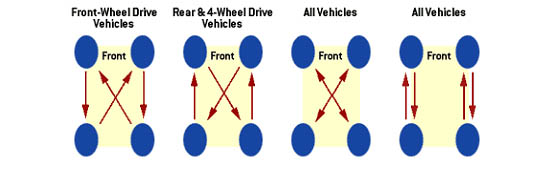
Rotate tires every 5,000-8,000 miles to ensure even wear and consistent TPMS calibration. Regular rotations mean your sensors spend time in different positions, helping maintain overall system accuracy while extending tire life. Remember to recalibrate after each rotation for optimal performance.
Schedule TPMS inspection annually as part of routine maintenance. A professional can verify sensor function, battery status, and system communication during annual service visits. This preventative maintenance catches potential issues before they cause warning lights or inaccurate readings.
Properly calibrated tire pressure sensors keep you safer on the road while improving fuel efficiency and extending tire life. By following these steps for your specific Toyota model, you’ll maintain accurate pressure readings without unnecessary dealership visits. When calibration procedures fail despite multiple attempts, professional service provides the expertise and equipment necessary for proper resolution, especially for sensor replacement or module issues. Regular maintenance and prompt attention to warning lights ensure your Toyota’s TPMS continues protecting you mile after mile.