Many drivers ignore their tire pressure until the dashboard warning light illuminates or they notice their vehicle handling strangely. Did you know that nearly half of all vehicles on the road have at least one significantly underinflated tire? Proper tire inflation isn’t just about fuel efficiency—it’s a critical safety factor that affects braking distance, handling, and your risk of blowouts. The good news is that checking and adjusting your tire pressure at a gas station takes just minutes and requires no special tools beyond what’s typically available at most fuel stations. This guide shows you exactly how to fix tire pressure at a gas station with confidence, avoiding common mistakes that could damage your tires or compromise your safety.
Locate and Evaluate Gas Station Air Equipment
Gas station air pumps typically sit near the convenience store entrance or between fuel pump islands, but their condition varies widely. Before parking, scan for pumps with clearly visible gauges—some older models have analog dials that are difficult to read, while newer digital units provide precise readings. Check if the hose reaches all four tires without excessive stretching; a kinked hose delivers inconsistent pressure. Note whether the pump requires coins, credit cards, or operates free of charge—many stations now accept contactless payments but still support older coin mechanisms.
When approaching the pump, inspect the air hose for cracks, fraying, or damaged connectors. A compromised hose can deliver inaccurate pressure or fail during inflation. Test the gauge by pressing the connector without attaching it to a tire; it should read zero PSI. If the gauge shows pressure without connection, the equipment is faulty and you should try another pump. Some stations provide separate handheld gauges for verification—always cross-check your readings with a second gauge when possible, as pump gauges can drift out of calibration over time.
Precise Tire Pressure Measurement Techniques
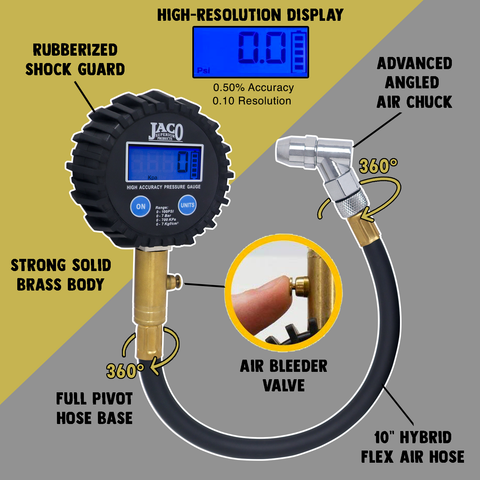
Before adding air, you must establish an accurate baseline reading. Remove the valve cap and press your gauge firmly onto the valve stem at a perfectly perpendicular angle. You’ll hear a brief hiss as air flows into the gauge—maintain steady pressure for 2-3 seconds to ensure an accurate reading. Digital gauges often beep when stable; analog gauges require you to read the needle position at its maximum extension.
Record each tire’s PSI in a notepad or your phone. Don’t assume all tires have the same pressure—front tires often carry different loads than rear tires, especially in performance vehicles. Check the spare tire if accessible; many drivers discover their emergency spare is completely flat only when needed. If your vehicle has a tire pressure monitoring system (TPMS), note whether the readings match the dashboard display—discrepancies could indicate sensor issues rather than actual pressure problems.
Effective Air Pump Operation Methods
When connecting to the air hose, remove the valve cap and wipe the valve stem with a clean cloth to remove dirt that could interfere with the seal. Press the connector straight onto the valve stem until you hear air flowing, then immediately check the gauge. Some pumps deliver a strong initial burst—be ready to disconnect if pressure rises too quickly.
For precise inflation, use the “pulse method”: add air in 3-second bursts, then disconnect to check pressure. This prevents overshooting your target PSI, which is common with gas station pumps that deliver high-volume air. If your pump has a preset feature, enter your target PSI before starting—many modern pumps will automatically shut off when reaching the specified pressure. Never leave the pump unattended; pressure can spike rapidly, especially with damaged gauges.
Advanced Troubleshooting for Problematic Situations

When air leaks from the connection point, the issue is usually a damaged valve core or debris in the valve stem. Carry a valve core tool (available for under $5 at auto parts stores) to tighten or replace the small brass core inside the valve. If you don’t have tools, try pressing the connector at a slightly different angle—sometimes a simple realignment creates a better seal.
For tires that lose pressure immediately after inflation, perform a bubble test: mix dish soap with water in a spray bottle and apply it around the valve stem and tire bead. Bubbles will form at leak points. Small punctures in the tread may allow temporary inflation for a short drive to a repair shop, but sidewall leaks require immediate professional attention—never drive on a tire with visible sidewall damage.
If the pump gauge shows pressure but the tire isn’t inflating, check for a stuck valve pin. Press a small tool (like a key) into the center of the valve stem to manually release the pin. Sometimes debris jams the mechanism, preventing air entry even when the connector is properly attached.
Special Conditions and Safety Considerations

Cold weather dramatically affects tire pressure—tires lose about 1 PSI for every 10°F temperature drop. When checking pressure in winter, do it before driving when tires are truly “cold” (not just sitting overnight in freezing temperatures). Never inflate tires to maximum sidewall pressure; this common mistake creates dangerous handling conditions and uneven tire wear.
For vehicles carrying heavy loads or towing, consult your owner’s manual for adjusted pressure recommendations—many manufacturers specify higher PSI for maximum load conditions. SUVs and trucks often require significantly different front and rear pressures, especially when towing trailers. Always recheck pressure after adjusting for load conditions once you’ve driven several miles and the tires have warmed up.
Cost-Saving Strategies and Time Optimization
Many drivers waste money on gas station air pumps by paying per minute instead of understanding the actual time needed. Most passenger tires require only 15-30 seconds of air to correct moderate underinflation—time yourself to avoid overpaying. Some stations offer free air during specific hours or with fuel purchases; check for posted signs near the pumps.
Create a tire maintenance kit you keep in your vehicle: include a quality digital pressure gauge ($10-15), valve core tool, and small towel for wiping valve stems. This eliminates reliance on potentially faulty station equipment. When traveling, note gas stations with reliable air pumps using your phone’s notes app—certain chains maintain better equipment than others.
Long-Term Tire Pressure Management System
Establish a tire pressure routine: check monthly and before any trip over 100 miles. Rotate this task with your fuel stops—check pressure when your tank reaches quarter-full, creating a natural maintenance rhythm. Use your vehicle’s TPMS warning light as a trigger for immediate inspection, but don’t wait for it to act; most systems only alert when pressure drops 25% below recommended levels.
Monitor seasonal pressure changes—tires typically need 2-4 PSI added in winter and reduced in summer. Consider investing in valve stem caps with built-in pressure indicators; these color-changing caps provide visual alerts when pressure falls outside safe ranges. For frequent drivers, a portable 12V air compressor ($30-50) provides more precise control than gas station pumps and works anywhere with a cigarette lighter outlet.
When Professional Service Becomes Necessary
Recognize situations beyond DIY fixes: tires losing more than 1 PSI per week likely have punctures requiring professional repair. If you’ve added air multiple times with no lasting effect, the problem probably involves the valve stem or bead seal rather than simple underinflation. Persistent TPMS warnings after proper inflation indicate sensor malfunctions that need dealer-level diagnostics.
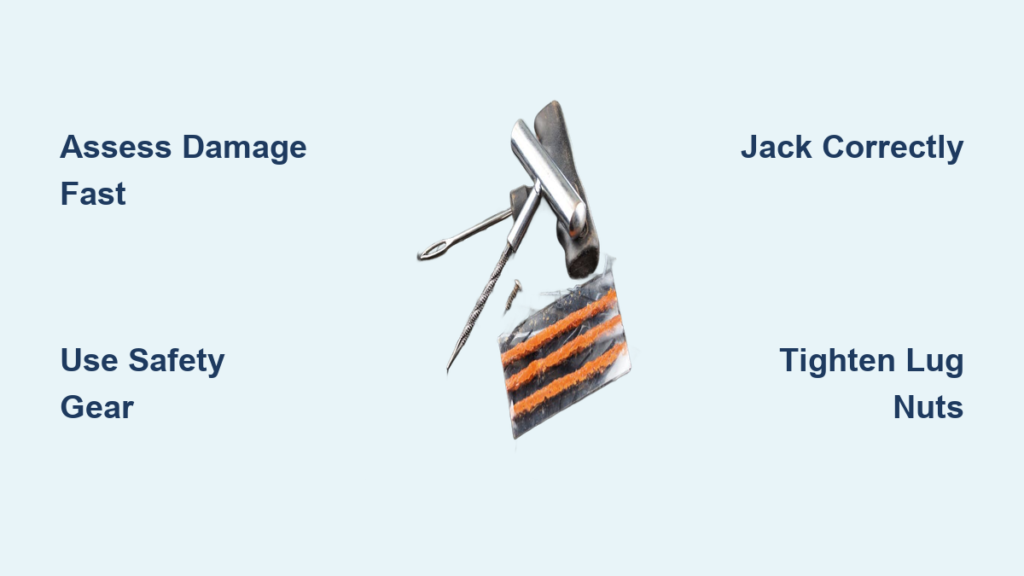
Visit a tire professional if you notice uneven wear patterns after correcting pressure—they can diagnose alignment issues that might have developed during prolonged underinflation. Remember that temporary fixes like plug repairs have limited lifespan; schedule proper patch repairs within 24 hours of any emergency inflation.
By mastering these gas station tire pressure techniques, you’ll extend tire life by up to 25%, improve fuel economy by 3-4%, and significantly enhance your vehicle’s safety margins. The few minutes invested in proper tire maintenance each month pays dividends in reliability, cost savings, and peace of mind every time you turn the key.