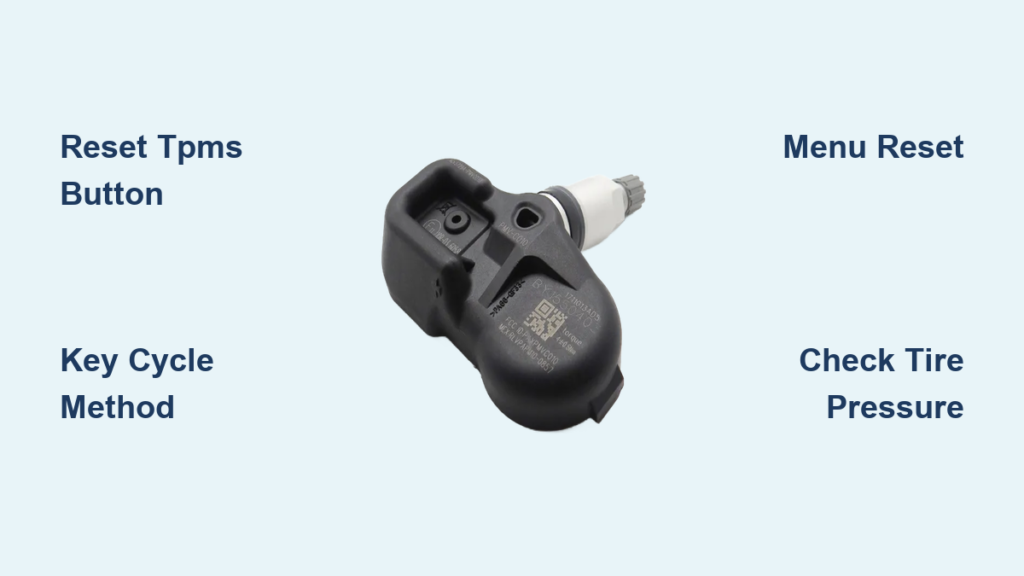
That annoying tire pressure warning light on your Toyota Corolla dashboard—a yellow exclamation mark inside a U-shaped bracket—is more than just a nuisance. It’s your vehicle’s critical safety system alerting you to potentially dangerous underinflation. Knowing exactly how to reset tire sensor on Toyota Corolla models saves you unnecessary dealership trips and keeps you safe on the road. Whether you’ve just rotated your tires, adjusted pressure after temperature changes, or replaced a sensor, this guide delivers the precise reset methods for every Corolla model year from 2009 to present. You’ll learn the dashboard button technique, key cycling method, infotainment menu approach, and professional OBD-II procedures—all verified for accuracy across different generations of this popular sedan.
Why Your Corolla TPMS Light Won’t Clear After Tire Service
Tire rotation is the #1 reason Toyota Corolla owners need to reset tire sensors. When you move tires to different positions, the vehicle’s computer still associates each sensor ID with its original location, causing confusing or inaccurate warnings. Similarly, after installing new tires or adjusting pressure following significant temperature drops (where 10°F change equals approximately 1 PSI pressure shift), your system requires recalibration. Sensor battery depletion—common in models from 2010 onward as batteries reach their 5-10 year lifespan—also triggers persistent warning lights that won’t clear without proper reset procedures. Even correctly inflated tires can display warnings if the system hasn’t been reset after service, leaving you with an illuminated dashboard light that serves no useful purpose.
Dashboard Button Reset for 2009-2022 Corolla Models
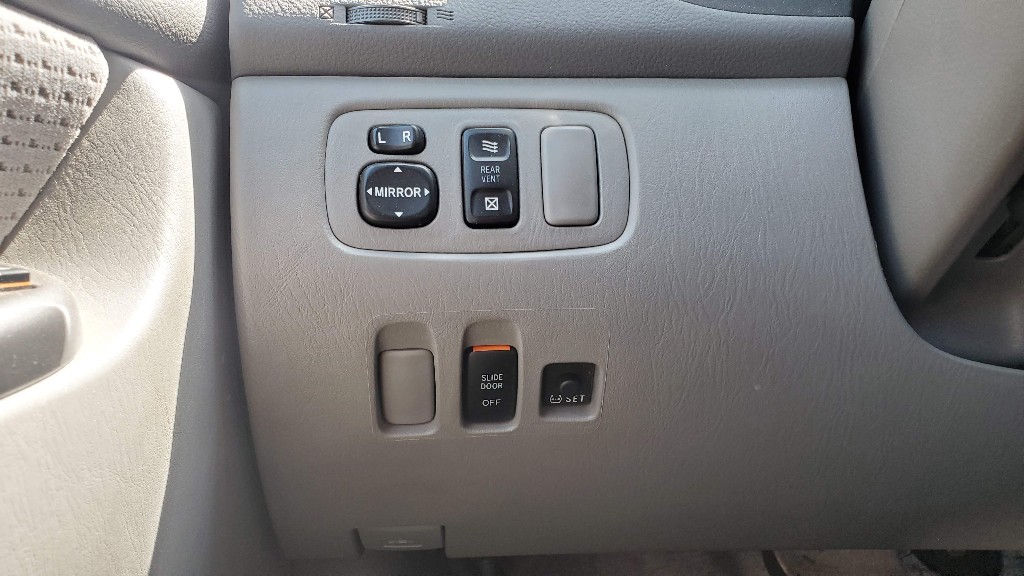
This manufacturer-recommended method works for most Corolla models between 2009 and 2022 and takes just 15 minutes with no special tools beyond a paperclip.
First, inflate all tires to specifications listed on your driver’s door jamb sticker (typically 33-35 PSI front, 33 PSI rear). With ignition in “ON” position (engine off), locate the TPMS reset button beneath the steering column—look for a small black button marked “SET” or with a tire symbol. Using a paperclip, press and hold for 3-5 seconds until the warning light blinks three times then stays illuminated. This confirms entry into relearning mode.
Start your engine and drive above 20 mph for 10-15 minutes. During this drive, your Corolla identifies each sensor’s new position. The warning light extinguishes automatically when complete. Pro tip: If the light remains on, repeat the process—sometimes multiple attempts are needed when sensors are weak or the vehicle is parked near radio interference sources.
Key Cycle Reset for Buttonless Corolla Models
Corolla models without a dedicated reset button (particularly 2015+) respond to this ignition cycling technique that simulates a reset command through the vehicle’s electrical system.
Ensure all tires meet pressure specifications before beginning. Sit in the driver’s seat with all doors closed. Insert your key and turn to “ON” position, then back to “OFF,” repeating this cycle twice more (three total cycles) with one-second pauses between each. The TPMS light should flash rapidly for about one minute, signaling entry into relearning mode.
Once the rapid flashing stops, the light remains steady while the system searches for sensors. Drive above 15 mph for 10 minutes, varying your speed to help the system establish reliable communication. The warning light turns off upon successful completion. Critical note: If the light doesn’t flash after cycling, your model likely requires the menu-based reset method instead.
Menu Reset for 2020+ Corolla Touchscreen Models

Newer Corollas with infotainment screens access TPMS reset through the vehicle settings menu, eliminating physical button presses entirely.
Press “MENU” on your touchscreen display and navigate to “Vehicle,” “Settings,” or “Maintenance” sections. Look for “TPMS” or “Tire Pressure” options within these menus. Select “Reset” or “Calibrate” when found and confirm your choice. Your screen displays a confirmation message that calibration has begun.
With engine running, drive for 10-20 minutes above 15 mph to complete sensor identification. The warning light turns off automatically when the system successfully recognizes all sensors. Warning: If your screen lacks a TPMS reset option, your model year requires either the dashboard button or key cycle method—check your owner’s manual for model-specific instructions.
Fix TPMS Light That Won’t Clear After Reset Attempts
When standard reset procedures fail, systematic troubleshooting identifies the real issue behind that persistent warning light. First, verify all tire pressures with a quality gauge—sometimes one tire is slightly underinflated despite your best efforts. Inspect each valve stem for cracks, corrosion, or damage that might interfere with sensor function.
If pressure checks out, sensor battery failure is likely the culprit, especially for Corollas from 2010-2015 now exceeding typical 5-10 year battery life. Aftermarket electronics like radar detectors or dash cameras can also cause interference—temporarily remove them to test. Critical step: After multiple failed resets, professional diagnosis with an OBD-II scanner reads specific fault codes identifying which sensor has failed, saving you time and money on unnecessary replacements.
Decode Your Corolla’s TPMS Warning Light Patterns
Your Toyota Corolla communicates different issues through specific warning light behaviors:
- Steady illumination: One or more tires are approximately 25% below recommended pressure—check and adjust inflation
- Flashing for 60-90 seconds then steady: System malfunction requiring professional diagnosis
- Three flashes then steady during reset: Normal operation—continue driving to complete relearning
- Continuous flashing during relearning: System can’t locate one or more sensors—check for interference or failed sensors
Understanding these patterns prevents wasted effort—flashing lights indicating system malfunctions won’t clear with standard reset procedures and require professional attention.
Replace Corolla TPMS Sensors When Batteries Fail
When sensor batteries deplete (typically after 5-10 years), complete sensor replacement proves more reliable than battery-only service for most owners. Individual sensors cost $30-$80 each depending on brand and quality.
Critical compatibility note: North American Corolla models use 315 MHz sensors—ensure replacements match this frequency. After installation, you must perform the appropriate reset procedure to establish communication between new sensors and your vehicle’s computer. Pro tip: Tire shops often install sensors during tire service for minimal additional cost—many provide free TPMS reset with tire purchases.
Extend Your Corolla TPMS Sensor Lifespan with These Practices
Monthly tire pressure checks with a quality gauge prevent unnecessary warning lights while extending sensor life. Temperature fluctuations significantly affect pressure readings—check more frequently during seasonal transitions when 10°F changes alter pressure by 1 PSI.
Always reset TPMS after tire rotation—this simple step prevents confusing warning indicators that don’t reflect actual tire conditions. Avoid non-TPMS-compatible tire sealants that coat sensor components and interfere with radio transmission. When purchasing aftermarket wheels, verify they accommodate TPMS sensor mounting requirements to prevent signal interference.
When to Seek Professional TPMS Diagnosis for Your Corolla
Certain symptoms indicate problems beyond DIY reset capabilities:
- Warning light remains illuminated after multiple reset attempts with verified proper inflation
- Light flashes continuously rather than illuminating steadily (indicates system fault)
- Intermittent warning behavior where light turns on/off without intervention (weak battery)
- Any warning light appearance after wheel impacts like potholes or curbs
Professional diagnostic equipment identifies failing sensors before complete failure, preventing sudden loss of TPMS protection. Dealerships charge $50-$100 for diagnostics, while many tire shops provide free TPMS service with tire purchases.
Regularly resetting your tire sensor on Toyota Corolla vehicles ensures accurate pressure monitoring and prevents unnecessary warning lights. By following the correct procedure for your model year and maintaining proper tire inflation practices, you’ll keep this critical safety system functioning reliably for years. When simple resets fail, understanding the warning light patterns and knowing when to seek professional help saves you time, money, and potential safety risks on the road.