Driving on compromised tires during adverse weather creates dangerous conditions that most drivers don’t anticipate. When your tire fails during a sudden thunderstorm or freezing cold snap, understanding how weather affects mobile tire installation becomes crucial for your safety and vehicle protection. Professional mobile tire services bring expertise directly to your location while eliminating the risks of driving on damaged tires through hazardous conditions. This guide examines precisely how temperature extremes, precipitation, wind, and sunlight impact tire installation quality and safety, helping you make informed decisions about when to schedule professional service regardless of weather conditions.
Why Extreme Heat Makes Mobile Tire Installation Risky

Scorching temperatures transform routine tire replacements into potentially dangerous operations. When ambient temperatures exceed 90°F, the air inside your tires expands rapidly, causing pressure increases of 5-7 PSI that lead to overinflation and uneven wear patterns. Asphalt surfaces can reach 140°F during summer afternoons, making direct contact with pavement dangerous enough to cause third-degree burns within seconds.
Professional mobile technicians address these heat challenges by:
– Using thermal gloves to handle hot tools and equipment
– Adjusting inflation pressures to account for expected temperature drops after installation
– Completing service during cooler morning or evening hours when possible
– Applying specialized lubricants that maintain effectiveness in extreme heat
Attempting DIY tire changes on hot pavement increases your risk of heat exhaustion by 40% compared to professional service. The physical strain of loosening lug nuts while standing on blistering surfaces accelerates fatigue and dehydration, potentially leading to dropped tools or improper installation that causes dangerous blowouts later.
How Freezing Temperatures Affect Tire Pressure During Installation
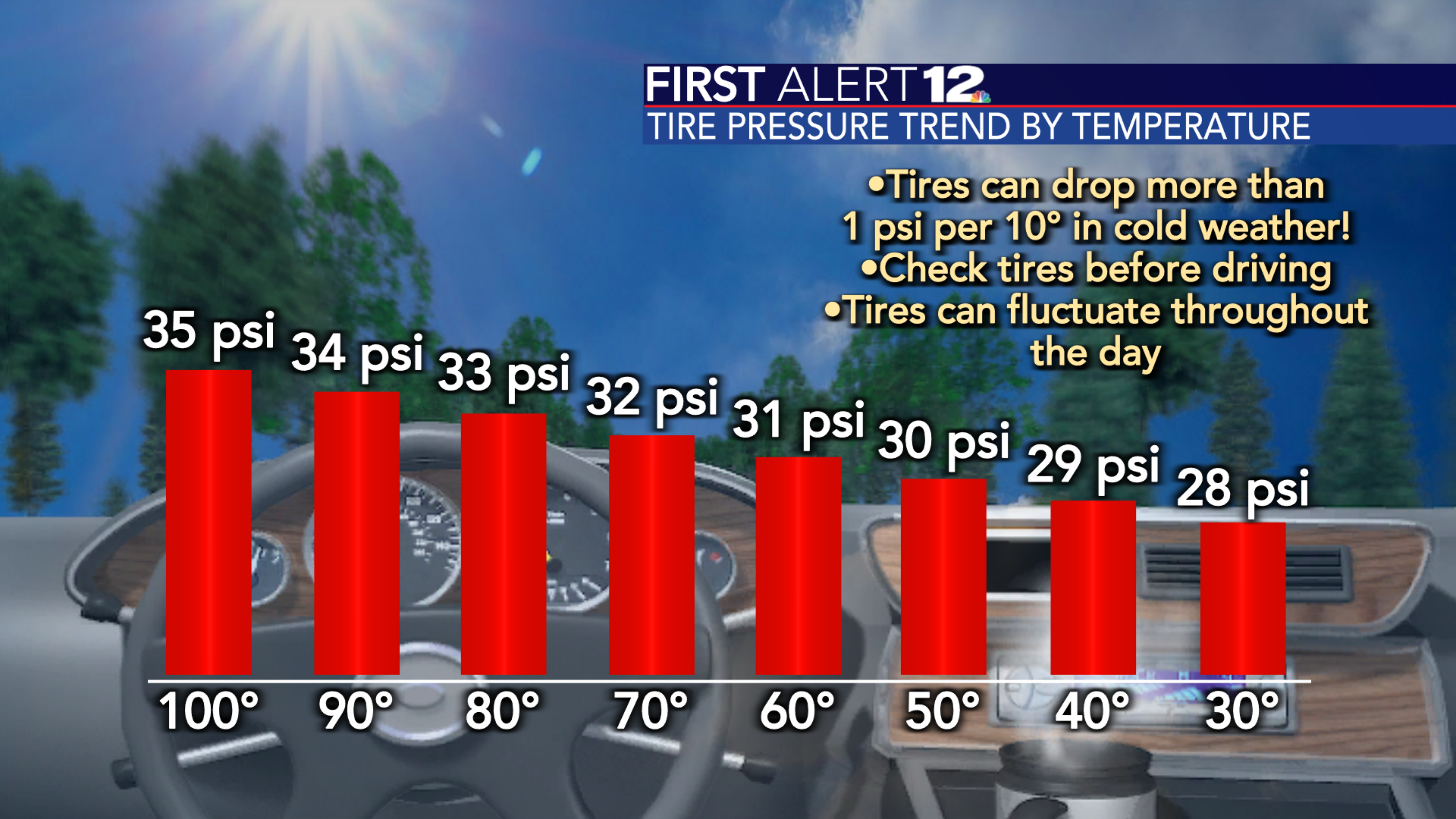
Cold weather creates opposite but equally dangerous problems for tire installation. For every 10°F temperature drop, your tire pressure decreases approximately 1 PSI, leading to significant underinflation during winter months. A tire properly inflated at 70°F may lose 8-10 PSI when temperatures plummet to 0°F, causing excessive sidewall flexing that generates dangerous heat buildup even at moderate speeds.
Mobile technicians combat cold weather challenges by:
– Using battery-powered heated tools that prevent frostbite during service
– Storing tires in temperature-controlled vehicles before installation
– Applying special anti-seize compounds that remain effective in freezing conditions
– Performing multiple pressure checks as tires warm to operating temperature
Numb fingers from cold exposure increase your risk of improper lug nut torque by 65%, potentially causing wheel detachment. Professional mobile services eliminate this danger by bringing weather-appropriate equipment and expertise directly to your location, ensuring proper installation regardless of temperature extremes.
Heavy Rain & Thunderstorm Dangers for Roadside Tire Service
Attempting tire changes during heavy rainfall creates life-threatening hazards that most drivers underestimate. Visibility drops below 100 feet during moderate downpours, making your stranded vehicle nearly invisible to approaching traffic and increasing secondary collision risk by 300%. Standing beside your car with metal tools during electrical storms creates a deadly lightning strike hazard that professionals mitigate through strict safety protocols.
Mobile tire services enhance safety during wet conditions by:
– Deploying high-intensity LED lighting systems visible from 1,000+ feet
– Using non-slip mats and stabilizing equipment designed for wet surfaces
– Carrying portable canopies that create dry workspaces during rain
– Monitoring real-time weather data to avoid lightning-prone service windows
Driving on a flat tire through heavy rain to reach a traditional shop increases hydroplaning risk by 50% compared to waiting for mobile service. The combination of reduced traction from compromised tires and standing water creates dangerous loss-of-control scenarios that professional mobile technicians help you avoid entirely.
High Wind Conditions That Halt Safe Mobile Tire Changes
Strong winds create specific hazards for tire installation that most DIY attempts don’t account for. Crosswinds exceeding 35 mph can destabilize vehicles during jacking operations, potentially causing catastrophic falls that crush equipment and injure technicians. For larger vehicles like SUVs and trucks, even moderate winds create dangerous sway that professionals address through specialized stabilization techniques.
Professional mobile services manage wind hazards by:
– Positioning service vehicles as windbreaks between traffic and work areas
– Using weighted stabilizers that anchor equipment on windy days
– Scheduling commercial truck services during early morning low-wind periods
– Implementing strict protocols for suspending operations when wind exceeds safety thresholds
Attempting roadside tire changes during high winds increases your accident risk by 75% compared to waiting for professional assistance. The distraction of battling wind while handling heavy tires and tools creates perfect conditions for dropped equipment, improper installation, or stepping into traffic.
UV Damage: Why Sun Exposure Matters for On-Site Tire Installation

Extended sunlight exposure degrades tire rubber through ultraviolet radiation, accelerating dry rot and sidewall cracking that compromises safety. Tires installed during peak sunlight hours experience immediate UV exposure that begins the degradation process before they even reach proper operating temperature. Mobile technicians who store inventory in shaded conditions provide tires with significantly longer service lives than those left exposed to direct sun.
Smart UV protection strategies include:
– Scheduling installations during early morning or late afternoon when UV index is lower
– Using tire dressings with UV inhibitors during installation
– Recommending shaded parking spots to customers after service
– Inspecting stored tires for UV damage before installation
Tires exposed to direct sunlight for just six months experience rubber compound degradation equivalent to one year of normal driving. Professional mobile services minimize this damage by controlling tire exposure from storage through installation, preserving your investment and enhancing safety.
Seasonal Shifts: Adapting Tire Installation to Weather Changes
Each season brings unique challenges that require specific adjustments to tire installation procedures. Spring brings rapid temperature fluctuations that cause significant pressure changes between morning and afternoon. Summer heat accelerates rubber degradation while increasing blowout risks on hot pavement. Fall requires careful pressure adjustments as temperatures drop, while winter demands specialized techniques for cold-weather installation.
Seasonal installation best practices:
– Spring: Check for dry rot after winter storage and adjust pressures for warming temperatures
– Summer: Install tires early morning to avoid extreme heat and verify proper seating
– Fall: Increase pressure as temperatures drop and inspect for UV damage before winter
– Winter: Use heated tools for proper torque and verify bead seating in cold conditions
Mobile technicians track seasonal weather patterns to anticipate service needs before problems occur. This proactive approach prevents roadside emergencies that would require dangerous DIY repairs in adverse conditions.
When to Skip DIY Tire Changes and Call Mobile Professionals
Certain weather conditions make professional mobile service not just convenient but absolutely essential for safety. Immediately call for professional assistance when:
– Temperatures exceed 95°F or drop below 20°F
– Rainfall reduces visibility below 150 feet
– Winds exceed 30 mph
– Lightning is visible within 10 miles
– Road surfaces are covered with ice or standing water
The risks of attempting roadside tire changes during these conditions far exceed the cost of professional service. Medical expenses from weather-related tire change accidents average $25,000 per incident, not counting vehicle damage or lost wages. Mobile tire services complete installations in half the time of DIY attempts, minimizing your exposure to dangerous conditions while ensuring proper installation that prevents future blowouts.
Professional mobile technicians arrive with weather-specific tools, safety equipment, and expertise that transform dangerous roadside situations into controlled service operations. Their training in weather-related safety protocols protects both you and your vehicle while eliminating the need to drive on compromised tires through hazardous conditions.
Weather conditions significantly impact tire installation safety and quality in ways most drivers don’t anticipate. From extreme temperatures that alter tire pressure to precipitation that creates dangerous working conditions, understanding how weather affects mobile tire installation helps you make smarter service decisions. Professional mobile services provide critical safety advantages during adverse weather by eliminating dangerous travel on damaged tires, bringing specialized equipment directly to your location, and completing installations efficiently to minimize weather exposure. When conditions turn dangerous, skip the risky DIY attempt and call mobile professionals who have the training, tools, and safety protocols to handle your tire needs regardless of weather. Your safety and proper tire installation depend on it.