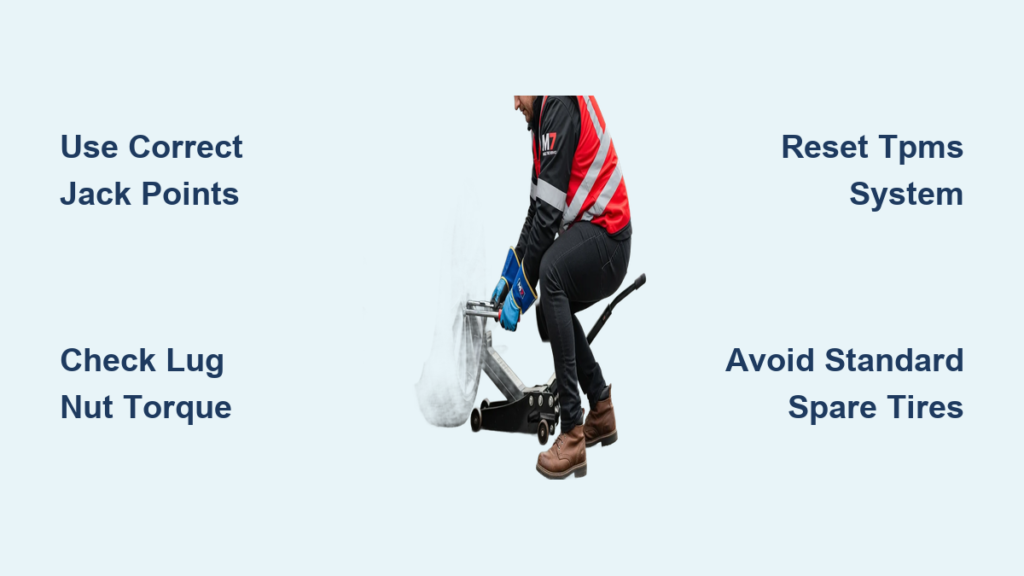
Changing a tire on your Tesla requires specific knowledge due to the vehicle’s unique electric powertrain, weight distribution, and specialized components. Unlike conventional vehicles, Teslas present distinct challenges during tire maintenance that owners must understand to avoid damage to the vehicle or personal injury. With electric vehicles gaining popularity, knowing proper tire change procedures has become increasingly important for Tesla owners who may find themselves stranded with a flat tire. This guide addresses the critical considerations for safely changing a Tesla tire while acknowledging the limitations of available information.
Why Tesla Tire Changes Require Special Attention
Electric vehicles like Teslas differ significantly from gasoline-powered cars in ways that impact tire maintenance. The substantial weight of Tesla models—often 500-1,000 pounds heavier than comparable internal combustion engine vehicles—creates unique challenges during tire changes. This additional weight affects jack points, lifting procedures, and even the wear patterns on tires. Understanding these differences is crucial before attempting a tire change on your Tesla.
Critical Safety Considerations Before Starting
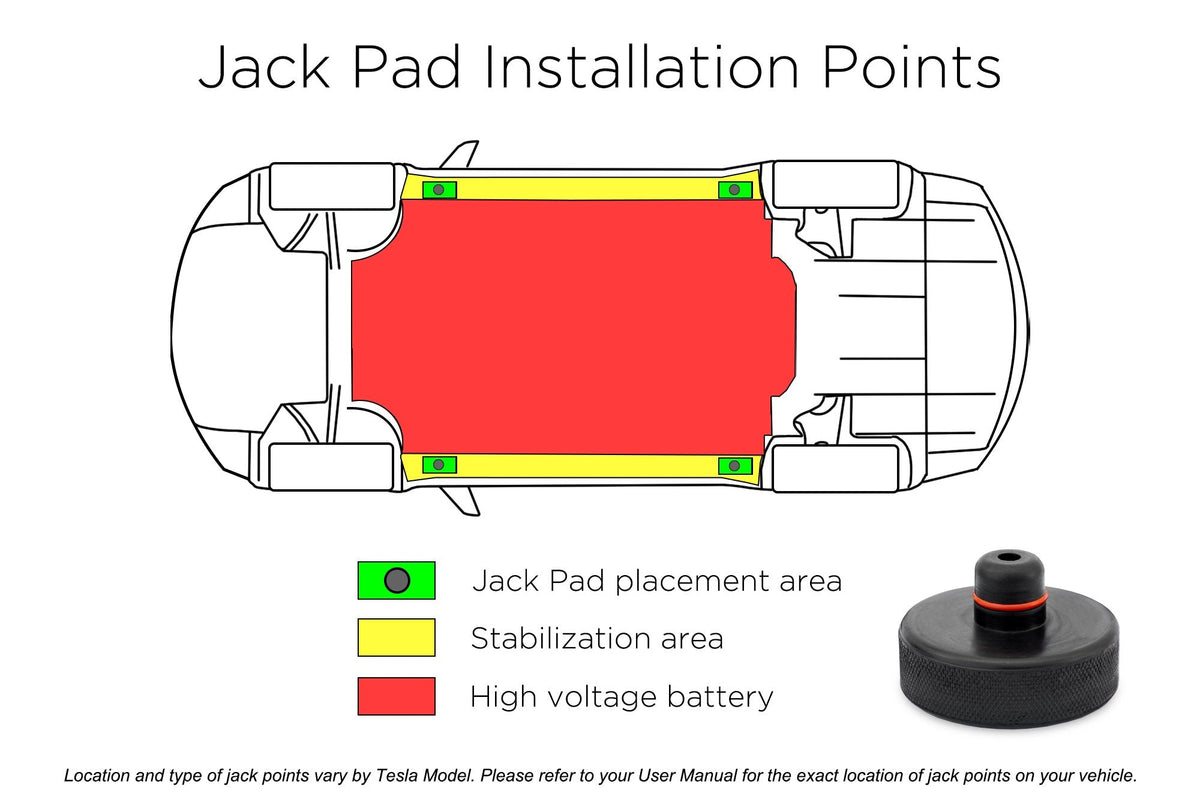
Before attempting any tire change on your Tesla, you must locate and understand the vehicle’s specific jack points. Unlike traditional vehicles, Teslas have designated lifting points that vary by model (Model S, 3, X, or Y), and using incorrect points can cause severe damage to the vehicle’s undercarriage. Always consult your owner’s manual for precise jack point locations, as misplacement could compromise the structural integrity of your vehicle.
Proper Equipment Requirements for Tesla Owners
Standard tire change tools may not suffice for Tesla maintenance. Due to the vehicle’s weight and specialized lug nut configurations, you’ll need:
– A heavy-duty floor jack rated for at least 3 tons
– An extended breaker bar for stubborn lug nuts
– Impact-resistant jack stands for safety
– Tesla-specific lug nut sockets (often 21mm)
– TPMS reset tool for tire pressure monitoring system
Step-by-Step Tesla Tire Replacement Process
Locating Correct Jack Points by Model
Each Tesla model has specific jack points that must be used to prevent damage. Model 3 and Y have reinforced sections along the vehicle’s rocker panels, while Model S and X feature different lifting points due to their larger size and weight distribution. Attempting to jack your Tesla at incorrect points could damage the underbody panels or compromise the vehicle’s structural integrity.
Proper Lifting Procedure for Heavy EVs
- Park on level, stable ground and engage parking brake
- Place wheel chocks against the wheels opposite from the one being changed
- Loosen lug nuts slightly before lifting (¼ turn only)
- Position jack precisely at manufacturer-specified point
- Lift slowly and check stability at 2-inch intervals
- Never place any body parts under the vehicle while lifted
Lug Nut Torque Specifications Challenge

One critical detail missing from available resources is the exact torque specifications for Tesla lug nuts. Proper torque is essential for safety, as under-torqued lug nuts can come loose, while over-torqued nuts can damage wheel studs. Most automotive professionals recommend following standard EV practices of 88-140 lb-ft, but Tesla-specific values would be preferable for optimal safety.
Common Tesla Tire Change Mistakes to Avoid
Using Incompatible Spare Tires
Unlike traditional vehicles, Teslas don’t come with conventional spare tires. Most models include a temporary mobility kit with sealant and compressor, which has significant limitations. Attempting to use a standard spare tire on a Tesla often leads to clearance issues with the wheel well or improper fitment with the TPMS system.
Ignoring Tire Pressure Monitoring System (TPMS)
Tesla’s sophisticated TPMS requires proper recalibration after any tire change. Failure to reset the system can trigger persistent warning lights and inaccurate pressure readings. Most third-party tire shops may not have the specialized equipment needed to properly service Tesla’s TPMS, making mobile service options potentially problematic.
Cost Considerations for Tesla Tire Maintenance

Tire Replacement Expenses by Model
Tesla tire costs vary significantly across models due to different size requirements. Performance variants typically require specialized tires that cost substantially more than standard versions. The added weight of electric vehicles also accelerates tire wear, potentially reducing tire lifespan by 15-20% compared to similar gasoline-powered vehicles.
Service Center vs. Third-Party Options
While Tesla service centers guarantee proper procedures and equipment, their pricing often exceeds traditional auto shops. However, many independent shops lack experience with Tesla-specific requirements, potentially leading to improper installation or damage. Mobile tire services present additional challenges due to the specialized equipment needed for safe Tesla tire changes.
Essential Tesla Tire Maintenance Practices
Rotation Intervals for Optimal Performance
Regular tire rotation helps distribute wear evenly across all four tires, extending their lifespan. For Tesla vehicles, rotation should occur every 6,000-8,000 miles, though specific recommendations vary by model and driving conditions. The vehicle’s weight distribution, with heavy battery packs typically mounted low in the chassis, creates unique wear patterns that require attention.
Monitoring Tread Depth and Wear Patterns
Due to their instant torque and considerable weight, Teslas often exhibit distinctive wear patterns. Regularly checking tread depth (minimum 4/32″ recommended for safe EV operation) and looking for unusual wear indicators can help identify alignment issues before they cause significant problems. Pay special attention to inside edge wear, which is common on performance-oriented Tesla models.
Emergency Preparedness for Tesla Owners
Building a Proper Roadside Kit
Your Tesla emergency kit should include:
– Heavy-duty gloves for handling lug nuts
– Reflective safety triangles visible in low light
– Powerful flashlight with extended battery life
– Emergency blanket (EVs lose cabin heat faster when off)
– Cell phone charger with extended cable reach
When to Call for Professional Assistance
Certain situations warrant professional help rather than attempting a DIY tire change:
– Changing tires on uneven or soft surfaces
– Nighttime roadside emergencies with poor visibility
– If you lack proper jack stands for secondary support
– When multiple tires require attention simultaneously
Final Safety Recommendations
Always prioritize safety over convenience when changing a Tesla tire. The vehicle’s substantial weight means that improper procedures can lead to catastrophic failure of lifting equipment. Never work under a vehicle supported only by a jack—always use properly rated jack stands as a secondary safety measure. Additionally, after completing a tire change, check lug nut tightness again after driving 50-100 miles, as the initial drive can sometimes cause slight settling.
Proper tire maintenance significantly impacts your Tesla’s range, handling, and safety. While specific technical details about Tesla tire changes remain challenging to verify due to limited accessible information, adhering to general EV tire service best practices ensures you maintain your vehicle safely. Regularly consult official Tesla resources for model-specific guidance as it becomes available, and consider professional service for complex tire maintenance tasks to protect your investment. Remember that when it comes to tire safety, taking extra precautions with your Tesla isn’t just recommended—it’s essential for protecting yourself and others on the road.